CFTC Investigates Adam Kinzinger Over Kalshi Bets on His Own Presidential Pardon: Report
Key Takeaways
- •The CFTC is investigating former Representative Adam Kinzinger over Kalshi trades linked to the preemptive pardon he received from President Joe Biden in January 2025.
- •Kinzinger placed roughly 25 trades in December 2024 and January 2025, betting on whether he would receive a pardon and whether Biden would issue preemptive pardons, and made $823 overall.
- •Kinzinger denies wrongdoing, stating he had been out of office for two years, possessed no inside information, and never discussed the pardons with anyone.
- •Kalshi, which prohibits users from betting on contracts in which they are direct participants, is reviewing the transactions, but it is unclear whether further action will follow.
- •The probe comes as the CFTC sharpens its focus on prediction markets, warning exchanges that contracts settling on a named individual's conduct should be presumed open to manipulation.
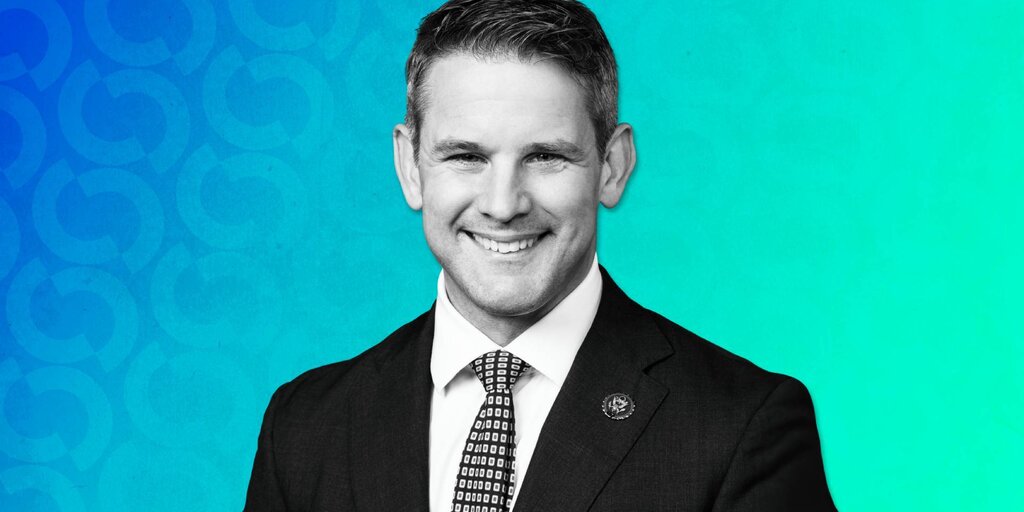
The Commodity Futures Trading Commission, the federal agency that regulates U.S. derivatives markets, is investigating former Illinois Representative Adam Kinzinger over prediction market trades tied to the presidential pardon he received from Joe Biden, according to a Politico report citing three people with knowledge of the matter.
The trades were placed through a Kalshi account linked to Kinzinger in December 2024 and January 2025. Kalshi is a CFTC-regulated prediction market where users trade contracts tied to the outcomes of real-world events. Kinzinger told the publication he had bet on a contract covering whether he would personally receive a pardon, as well as a separate contract on whether Biden would issue preemptive pardons before leaving office.
Biden did so in his final hours in January 2025, preemptively pardoning Kinzinger (a pardon issued before any charges have been brought) and the other members of the House select committee that investigated the January 6 attack on the Capitol. Donald Trump, who was inaugurated shortly after Biden signed the pardons, had called for the committee's members to be jailed.
The amounts involved were small. Screenshots provided by Kinzinger showed he made $823 on the trades, and he said he placed roughly 25 trades at the time, most of which lost money.
He denies any wrongdoing. Kinzinger said he had been out of office for two years when he placed the bets, was neither a sitting congressman nor a candidate, and had "no inside information." He added that he had read Kalshi's rules beforehand and understood them to prohibit trading by users who work for the relevant agency, can influence the outcome, or hold non-public information about it, and that he had never discussed the pardons with anyone.
Kalshi prohibits users from betting on contracts in which they are direct participants, and the CFTC bans the use of material nonpublic information in the markets it regulates. The exchange has also been reviewing the transactions, and it is unclear whether further action will follow. Both the agency and Kalshi declined to comment to Politico, and Kinzinger said neither had contacted him about the investigation.
Kalshi has previously acted on similar cases. In April, it suspended three congressional candidates over bets placed on their own races. It also froze the account of former Representative George Santos and referred him to the CFTC and the Justice Department over trades made against his own attendance at the State of the Union while he publicly said he would go; Santos was banned for life in late August.
A "corruption time bomb"
Kinzinger has himself been among the platform's critics. In a Substack post last November, he objected specifically to markets centered on the conduct of individual members of Congress, citing contracts on which senator would first visit Syria and on how each member would vote on releasing the Epstein files. He called such markets "a corruption time bomb," arguing that "a platform that lets insiders (and legislators) gamble on their own behavior is a threat to democracy." He now says he is broadly pleased with how Kalshi's screening has developed.
An outspoken Trump critic, Kinzinger clashed with the president over foreign policy and his claims of fraud in the 2020 election. In a March 2025 Truth Social post, Trump called the pardons "void" and said the recipients were "subject to investigation at the highest level." The White House declined to comment to Politico.
The investigation lands as the CFTC sharpens its focus on the prediction market sector. Last week, agency staff warned exchanges that contracts settling on the words or conduct of a named individual should be presumed open to manipulation. That advisory came a month after the CFTC fined a former White House teleprompter operator $172,000 over trades on presidential mention markets.

