CFTC Asks Court to Dismiss CME Lawsuit Over Crypto Perpetual Futures
Key Takeaways
- •The CFTC has filed a motion to dismiss CME Group's lawsuit over the regulator's decision to allow crypto perpetual contracts to be listed as futures.
- •The CFTC argues CME lacks standing to claim competitive harm because the same framework permits CME to list comparable perpetual futures itself.
- •CME filed suit on June 18, contending perpetual contracts should be regulated as swaps under the Dodd-Frank Act rather than as futures.
- •The dispute originated from the CFTC's May 29 decision allowing KalshiEX to list a Bitcoin perpetual contract as a futures product.
- •The court's ruling could influence how regulated U.S. exchanges structure and compete in the crypto perpetual derivatives market.
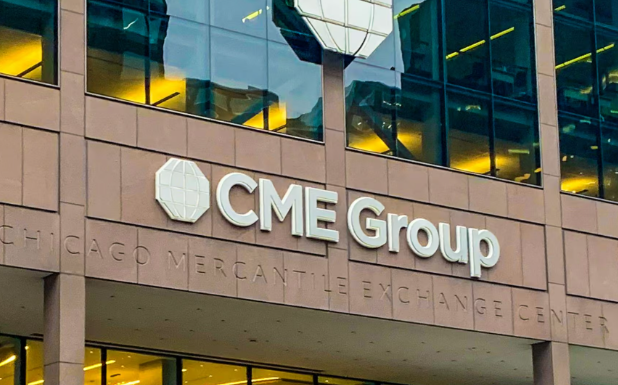
The U.S. Commodity Futures Trading Commission (CFTC) has asked a federal court to dismiss CME Group's lawsuit challenging the regulator's decision to allow cryptocurrency perpetual contracts to be listed as futures, according to information reported by Wu Blockchain (X post).
In its filing, the CFTC argues that CME lacks standing to claim competitive harm because the same regulatory framework that permits rival venues to offer crypto perpetual futures also allows CME, the world's largest derivatives marketplace, to list comparable products itself. The agency therefore contends that at least part of the competitive disadvantage alleged by CME results from the exchange's own decision not to offer such contracts.
CFTC Defends Regulatory Treatment of Crypto Perpetual Futures
The dispute stems from the CFTC's May 29 decision to permit KalshiEX to list a Bitcoin perpetual contract as a futures product. The regulator subsequently issued a policy statement explaining its approach to perpetual contracts and stated that contracts referencing asset classes outside the scope of its initial order would generally require case-by-case review under Regulation 40.3.
CME filed its lawsuit on June 18, arguing that perpetual contracts should instead be treated as swaps under the regulatory framework established by the Dodd-Frank Act. CME also challenged the CFTC's process and the agency's decision to permit competing platforms to offer the products as futures. The futures-versus-swaps classification matters because the two categories carry different regulatory requirements under Dodd-Frank, affecting how and where such products can be offered and who can trade them.
The CFTC's latest filing takes a narrower position on the alleged competitive injury. Even if the court were to determine that crypto perpetual contracts should be classified as swaps rather than futures, the agency argues that competing venues could still potentially offer similar products. In that scenario, the competitive harm claimed by CME would not necessarily disappear.
Court Fight Could Shape U.S. Crypto Derivatives Market
The case comes as U.S. regulators have moved toward establishing a clearer framework for perpetual-style digital-asset derivatives. In June, the CFTC issued no-action relief allowing designated contract markets to convert certain existing perpetual-style digital commodity futures into true perpetual futures, subject to customer-protection and procedural conditions.
Perpetual futures, which have no expiry date and use funding-rate mechanisms to track underlying prices, have long been among the most heavily traded crypto derivatives on offshore venues, and their limited availability on regulated U.S. exchanges has been a point of competitive tension in the industry.
The outcome of CME's challenge could therefore have implications beyond the parties involved. A court ruling on the CFTC's authority and the classification of crypto perpetuals could influence how regulated U.S. exchanges structure and compete in this rapidly developing derivatives market, and whether the products migrate further into CFTC-regulated venues.
The immediate next step is the federal court's consideration of the CFTC's motion to dismiss, which will determine whether CME's challenge proceeds to the next stage.
