CFTC Innovation Advisory Committee to Address Crypto and AI Regulation at Inaugural Meeting
Key Takeaways
- •The CFTC's Innovation Advisory Committee will hold its first meeting with cryptocurrency and AI rules as central discussion topics.
- •The CFTC serves as the primary federal regulator of Bitcoin and ether futures markets, a role that expanded after crypto derivatives launched on regulated U.S. exchanges.
- •The convergence of crypto and AI in regulatory discussion reflects their overlapping presence in derivatives markets, where AI-driven trading and compliance tools operate alongside digital-asset products.
- •Advisory committee recommendations can influence future regulatory guidance and priorities, even though they do not directly produce binding rules.
- •The CFTC has brought dozens of enforcement actions involving digital assets in recent years, covering fraud, registration violations, and retail commodity transactions.
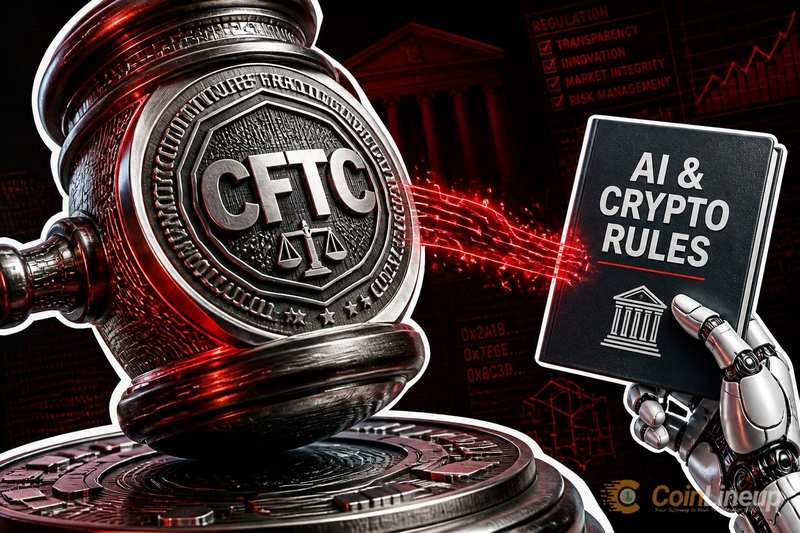
The U.S. Commodity Futures Trading Commission (CFTC) is preparing to discuss cryptocurrency and artificial intelligence rules at the first meeting of its Innovation Advisory Committee, placing digital-asset oversight and emerging technology on the same regulatory agenda.
Why the First Innovation Advisory Committee Meeting Matters
The debut session is significant because a committee's first meeting establishes its priorities and signals which topics the agency intends to examine going forward. The CFTC operates a network of advisory committees—each focused on a specific domain—that feed recommendations to the agency, meaning these sessions can shape the direction of policy thinking even though they do not themselves produce binding rules.
Reporting indicates that crypto and AI rules will be central to the discussion, according to crypto.news. This article focuses on discussion signals from that agenda rather than finalized or adopted rules.
The committee's remit centers on innovation-focused policy, tying the session directly to how U.S. derivatives regulators approach new market technology. That framing makes a first meeting worth tracking for anyone following domestic digital-asset oversight, particularly given the CFTC's longstanding role as the primary federal regulator of Bitcoin and ether futures markets—a role that expanded after crypto derivatives launched on regulated U.S. exchanges.
How Crypto and AI Enter the CFTC's Regulatory Conversation
Placing crypto and AI within the same rule discussion reflects their shared status as emerging-technology areas that simultaneously affect market innovation and risk oversight. The convergence is especially relevant for derivatives markets, where AI-driven trading algorithms, automated compliance systems, and AI-enhanced surveillance tools are already deployed alongside digital-asset products.
A joint discussion implies the agency is weighing overlapping questions around automation, digital assets, and how existing market-supervision expectations apply. Themes such as innovation, risk, and compliance are the likely contours of that conversation, though specific agenda items beyond the crypto-and-AI pairing are not detailed in the available record.
The CFTC has separately signaled active interest in newer market structures, including scrutiny of prediction-market rewards, which underscores that the agency is examining several technology-driven products at the same time.
What This Meeting Could Mean for Crypto Stakeholders
Because the discussion centers on rules, it directly shapes expectations for traders, builders, and compliance-focused firms watching U.S. policy direction. Advisory-committee sessions often influence future guidance, priorities, and market narratives even before any formal rulemaking follows.
The regulatory backdrop remains fluid. Analysts have argued that a stalled market-structure bill could actually accelerate agency-led action, as reflected in coverage of how a CLARITY Act failure may speed SEC and CFTC crypto rulemaking. The SEC has separately floated a 1990s market model as a crypto innovation pathway.
Stakeholders can also look to ongoing enforcement for context on how the two agencies apply existing authority, including joint SEC and CFTC lawsuits in the $425 million Goliath Ventures case. The CFTC's enforcement record in crypto-related matters provides additional context: the agency has brought dozens of actions involving digital assets over recent years, covering fraud, registration violations, and retail commodity transactions.
The key indicators after this meeting will be what themes the committee elevates and whether they translate into concrete guidance rather than definitive legal change.
The full agenda and participant details are outlined on the CFTC's event page for the meeting.
