CFTC Chief: Clarity Act “Moving Toward the Finish Line” as Agency Prepares for Implementation
Key Takeaways
- •CFTC Chairman Mike Selig said the Clarity Act is close to final passage and that the agency has developed internal procedures for registration, compliance, and enforcement ahead of implementation.
- •The legislation would classify most digital assets, including Bitcoin and Ether, as commodities under CFTC jurisdiction, while securities-like tokens would remain under SEC authority.
- •The House passed the bill in July 2025 on a bipartisan 294–134 vote, making it the second pillar of a federal digital asset framework after the GENIUS Act stablecoin law.
- •Under the proposed regime, digital asset exchanges would be required to register with the CFTC and could become subject to federal anti-fraud, market manipulation, capital, and custody rules.
- •Some consumer advocacy groups oppose giving the CFTC primary oversight of digital assets, arguing that the SEC's stricter disclosure requirements better protect retail investors.
CFTC Chief: Clarity Act “Moving Toward the Finish Line” as Agency Prepares for Implementation
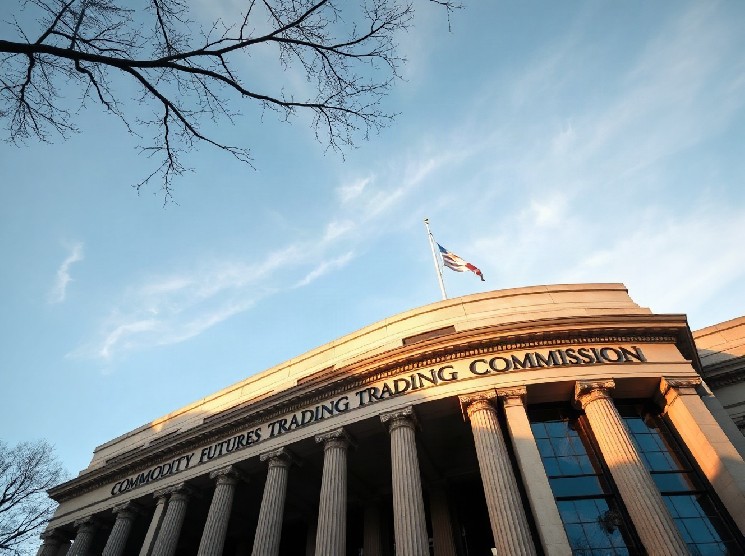
U.S. Commodity Futures Trading Commission (CFTC) Chairman Mike Selig said the Clarity Act is “moving toward the finish line” and that the agency is prepared to implement the legislation once it is signed into law. The remarks, shared via Watcher.Guru’s X account, signal a significant step forward in the long-debated effort to establish a comprehensive regulatory framework for digital assets in the United States.
What the Clarity Act Would Do
Formally titled the Digital Asset Market Structure and Investor Protection Act, the Clarity Act aims to clarify the jurisdictional boundaries between the CFTC and the Securities and Exchange Commission (SEC) over digital assets. The bill proposes to classify most digital assets, including Bitcoin and Ether, as commodities under CFTC oversight, while securities-like tokens would remain under SEC authority. That division would formalize existing practice in part: the CFTC already regulates crypto derivatives such as the Bitcoin and Ether futures listed on CME, and it has treated both assets as commodities in past enforcement actions. The bill also seeks to create a joint regulatory framework for digital asset exchanges and custodians, addressing long-standing gaps in consumer protection and market integrity.
Chairman Selig’s comments come as the bill has gained bipartisan momentum in Congress, with recent committee hearings and amendments aimed at addressing industry concerns. The House cleared the legislation in July 2025 on a bipartisan 294–134 vote, and it follows the GENIUS Act, the stablecoin oversight law signed into law that same month, as the second pillar of an emerging federal framework for digital assets. Much of the ambiguity the Clarity Act targets stems from statutes written decades before digital assets existed, leaving the CFTC–SEC boundary to be litigated case by case — an approach the industry criticized as regulation by enforcement. The legislation has been in development for several years, and its passage would represent a major milestone for the crypto industry, which has long sought clearer rules to operate within the U.S. legal system.
CFTC Readiness and Implementation Plans
In his statement, Selig emphasized that the CFTC has been preparing for the bill’s passage, including developing internal procedures for registration, compliance, and enforcement. The agency has reportedly been coordinating with other financial regulators, such as the SEC and the Treasury Department, to ensure a smooth transition once the law takes effect.
Industry observers note that the CFTC’s readiness is crucial, as the agency would likely face a surge in registration applications from digital asset exchanges and brokers. That expanded mandate would land on a comparatively small agency: the CFTC operates with roughly 700 employees and an annual budget of about $400 million, a fraction of the SEC’s resources, and whether it would need additional funding to police cash digital-asset markets at scale has been a recurring theme in the legislative debate. Under the proposed regime, digital asset exchanges would be required to register with the CFTC, potentially subjecting them to federal anti-fraud and market manipulation rules, as well as capital and custody requirements. The agency has also been increasing its enforcement efforts in the crypto space, signaling its commitment to policing market manipulation and fraud once it gains expanded authority.
Why It Matters to the Crypto Market
The Clarity Act’s passage would provide the legal certainty that many institutional investors and businesses have been waiting for. A clear regulatory framework could encourage more traditional financial firms to enter the digital asset space, potentially increasing liquidity and market stability. It could also reduce the risk of regulatory arbitrage, where companies move overseas to avoid unclear U.S. rules.
Not all reactions have been favorable, however. Some consumer advocacy groups have raised concerns that the bill might weaken investor protections by giving the CFTC, rather than the SEC, primary oversight of many digital assets. They argue that the SEC’s stricter disclosure requirements are better suited to protecting retail investors. The final version of the bill will likely include compromises to address these concerns.
What Comes Next
No exact timeline for passage has been set, but Chairman Selig’s comments suggest that the bill is nearing final passage, possibly within the current legislative session. Attention has shifted to the Senate, which has been advancing its own version of the market structure legislation, meaning the final text could still change before enactment. His statement indicates that the Clarity Act is on the verge of becoming law. While the bill still faces legislative hurdles, the CFTC’s preparedness shows the agency is ready to take on its expanded role. For market participants, the coming months could bring the regulatory clarity they have long sought, shaping the future of digital asset trading in the United States.
Frequently Asked Questions
What is the Clarity Act? The Clarity Act is a U.S. legislative proposal that aims to define the regulatory authority of the CFTC and SEC over digital assets, with most cryptocurrencies classified as commodities under CFTC oversight.
How would the Clarity Act affect crypto exchanges? It would require digital asset exchanges to register with the CFTC, potentially subjecting them to federal anti-fraud and market manipulation rules, as well as capital and custody requirements.
When is the Clarity Act expected to pass? No exact timeline has been set, but Chairman Selig’s comments suggest that the bill is nearing final passage, possibly within the current legislative session.
Source: CryptoNewsNet

