Cell C activates 5G, says it now has South Africa’s widest coverage without owning towers
Key Takeaways
- •Cell C's 5G network is live and already usable by customers, but the company is deliberately delaying a formal commercial launch until it can pair the technology with a unique proposition, most likely centred on fixed-wireless access.
- •Cell C operates no radio network of its own, instead reaching 5G entirely through roaming agreements that give it access to all of Vodacom's and MTN's 5G sites on the 2.6GHz and 3.5GHz bands, making it the last of South Africa's big operators to adopt the technology.
- •Enabling 5G required Vodacom and MTN to release capital expenditure for access, while Cell C completed the build-out of its own core network, although the commercial structures for its planned offering are not yet in place.
- •Mendes confirmed Cell C is in talks with Starlink and Amazon as potential coverage partners and as services it could resell, while Starlink remains unlicensed in South Africa.
- •Around one million Cell C customers have been migrated to voice-over-LTE, with roughly three million more expected to follow in the coming months as South African operators prepare to retire their legacy 2G and 3G networks.
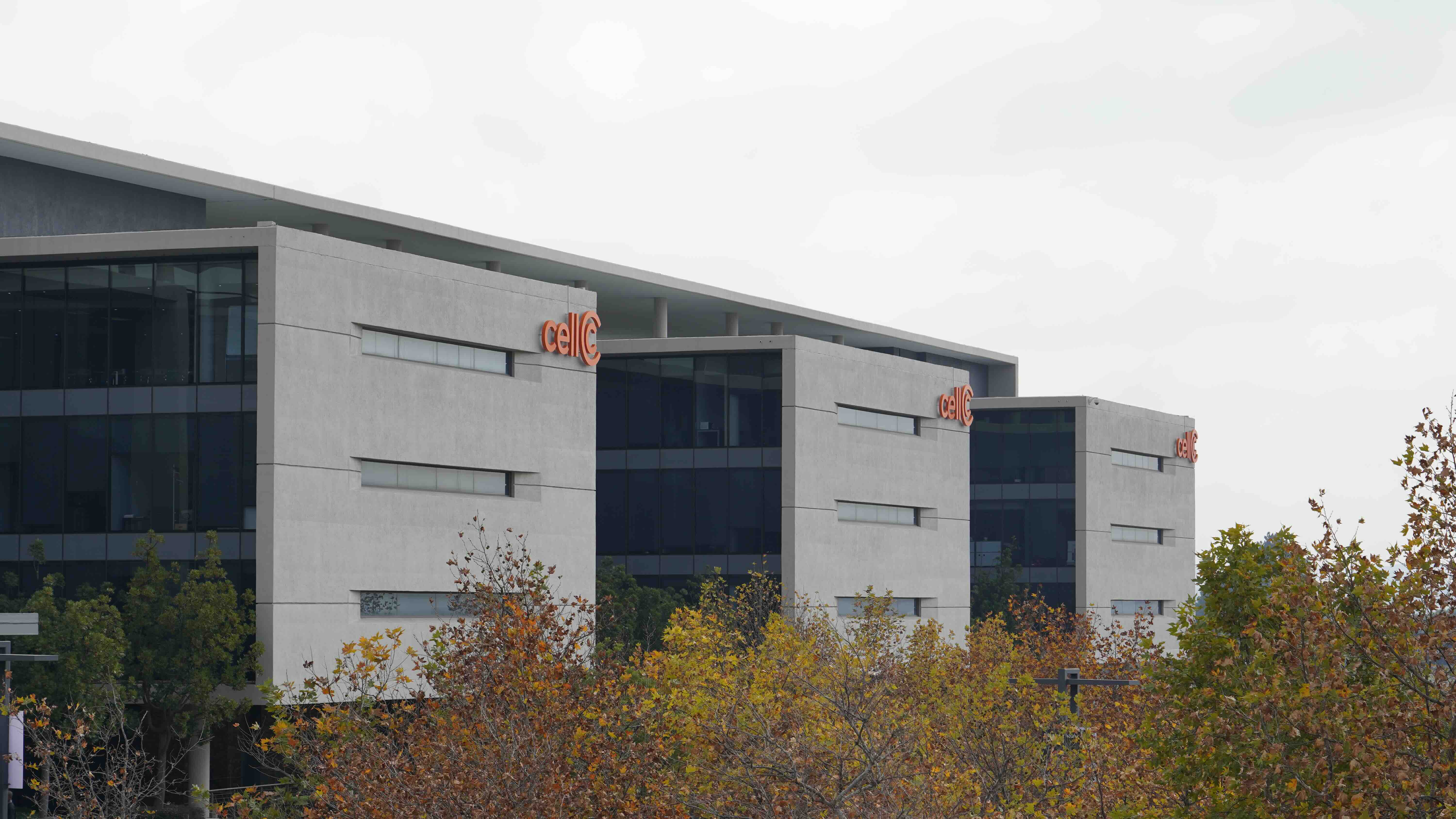
Cell C’s 5G network is live and already available to customers, chief executive Jorge Mendes told reporters, although the operator has not held a formal commercial launch.
Mendes disclosed the rollout only after being asked directly, saying there had been no launch event and no mention of the development in the company’s maiden full-year results, which were published the same day.
“I’m telling you this because you’re asking me the question,” he said. “Otherwise, strategically, we’ll launch it with propositions.”
Cell C achieves 5G without its own towers
Unlike its rivals, Cell C does not operate its own radio access network. The company runs entirely on roaming agreements with Vodacom and MTN — an arrangement that emerged from the financial rescue that followed years of losses and left JSE-listed BlueLabel Telecoms as Cell C’s largest shareholder. Mendes said these agreements now give Cell C access to both operators’ 5G sites on their 2.6GHz and 3.5GHz spectrum bands.
“We’ve technically got the widest 5G coverage in the country at the moment,” Mendes said. “We’ve got all of Vodacom’s 5G sites, and we’ve got all of MTN’s 5G sites.”
Vodacom and MTN both switched on their own 5G networks in 2020, making Cell C the last of South Africa’s big mobile operators to reach the technology.
Reaching that point required both host operators to release capital expenditure to enable access, while Cell C built its own core network to support the technology. Mendes said that work is now complete, although the commercial proposition is not yet ready.
He argued that broad 5G coverage on its own is not enough to attract consumers.
“5G is 5G. It does nothing more than what you already had,” he said. “Your YouTube video is going to play the same way it did on 4G.”
Instead, Cell C is waiting to launch with something “quite unique,” which Mendes said will likely centre on fixed-wireless access, although the commercial structures behind that offering have not yet been built. Fixed-wireless access has become a mainstay of South African home broadband, with Vodacom, MTN, Telkom and Rain all selling 5G broadband as an alternative to fibre.
When asked about Comsol’s recent announcement of a new national 5G broadband network for South African homes, Mendes said it validated Cell C’s own wholesale model, describing the two as complementary rather than competitive.
He also confirmed that Cell C is in talks with Starlink and Amazon, both as potential coverage partners and as services it could resell to retail customers. Starlink has yet to be licensed in South Africa, where regulations require foreign operators to be 30%-owned by historically disadvantaged South Africans — a requirement its parent company, SpaceX, has sought an exemption from.
Alongside the 5G rollout, Cell C is migrating customers to voice-over-LTE technology. Mendes said roughly 1 million customers have already been moved, with about 3 million more expected to follow in the coming months, a transition that parallels similar voice-over-LTE switches at Vodacom and MTN as South African operators prepare to retire their legacy 2G and 3G networks.
Cell C’s capital expenditure for the year stood at R810 million, with guidance of R750 million to R850 million for FY2027, a fraction of what South Africa’s larger operators spend on their own infrastructure — Vodacom and MTN each invest several billion rand annually in their South African networks. The gap reflects the economics of Cell C’s network-sharing model, in which it pays its bigger rivals to carry its customers rather than building towers of its own.

