CBSA Seizes 385 Kilograms of Cocaine in Commercial Truck at US-Canada Border Crossing
Key Takeaways
- •CBSA officers discovered approximately 385 kilograms of suspected cocaine in a commercial truck during a secondary examination at the Blue Water Bridge on Aug. 13.
- •The RCMP charged the driver with importing a controlled substance and possession for the purpose of trafficking under Canada's Controlled Drugs and Substances Act.
- •Authorities did not disclose the driver's identity, the carrier, the declared cargo, or the shipment's origin and destination.
- •CBSA reported seizing more than 4,500 kilograms of cocaine and crack products during fiscal 2025-26.
- •Commercial crossings like the Blue Water Bridge serve as critical screening chokepoints where secondary examinations catch contraband hidden in legitimate freight.
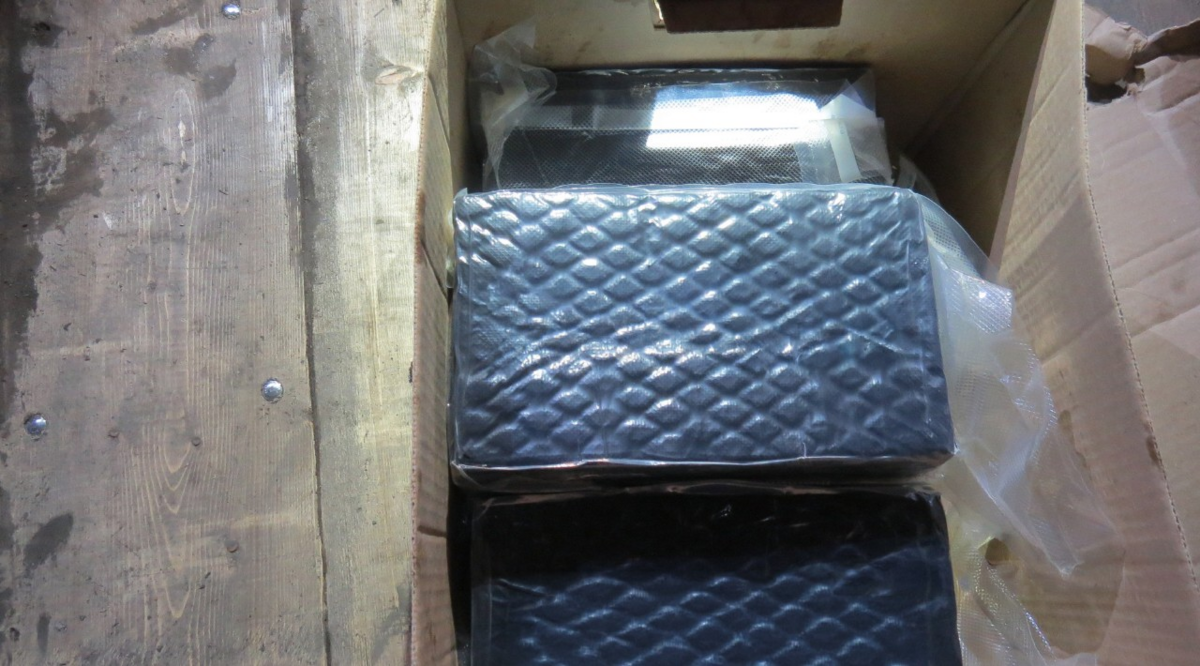
Canadian border officers seized approximately 385 kilograms (nearly 849 pounds) of suspected cocaine from a commercial truck at the Blue Water Bridge in Point Edward, Ontario. The crossing, which spans the St. Clair River between Point Edward and Port Huron, Michigan, is one of the busiest commercial freight links on the U.S.-Canada border. The discovery was made on Aug. 13, though authorities did not announce the case until Aug. 25, nearly two weeks later.
According to a joint release from the Canada Border Services Agency (CBSA) and the Royal Canadian Mounted Police (RCMP), CBSA officers referred the truck for secondary examination at the port of entry. During that review, officers detected and seized the suspected narcotics. CBSA arrested the driver following the discovery, and the RCMP subsequently took over the criminal investigation.
Charges follow secondary examination
The RCMP charged the individual with importing a controlled substance and laid an additional charge of possession for the purpose of trafficking. Both counts fall under Canada's Controlled Drugs and Substances Act. The government noted that the charges must be validated by the court.
Officials did not identify the driver in the release. They also did not name a carrier or disclose tractor ownership. The announcement omitted the declared cargo, the shipment's origin and destination, and details about how the drugs were concealed.
Michael Prosia, regional director general of CBSA's Southern Ontario Region, called the Blue Water Bridge seizure a demonstration of officer expertise. "Every day, they are working with law enforcement partners to secure Canada's border and prevent harm in our communities." Superintendent Dale Foote leads Border Integrity for RCMP Federal Policing's Central Region.
More than 4,500 kilograms seized last fiscal year
CBSA reported more than 4,500 kilograms of cocaine and crack seizures during fiscal 2025-26, a figure that includes coca leaves, coca paste and cocaine products. The agency also highlighted a July announcement involving nearly 1.7 tonnes of illegal drugs in Southern Ontario, a case that ranked among Ontario's largest drug busts by weight.
The government release does not identify where the truck began its trip, nor does it establish whether a trucking company faced scrutiny. No court file, carrier records or further operational details accompanied the announcement. FreightWaves reached out for comment before publication.
For the trucking industry, the case is a reminder of how commercial crossings function as a screening chokepoint in cross-border supply chains. With tens of thousands of trucks moving through ports of entry like the Blue Water Bridge each month, secondary examinations and law-enforcement handoffs such as this one are the mechanism by which contraband hidden in legitimate freight traffic is caught — and cases like this are typically watched for signals about whether carriers or shippers face any follow-on scrutiny, which authorities have not indicated here.
Source: FreightWaves
