CBP Officers Seize $10.75 Million in Methamphetamine Hidden in Leek Shipment at Texas Border Bridge
Key Takeaways
- •CBP officers discovered 395 packages of suspected methamphetamine valued at $10.75 million hidden in a tractor-trailer that arrived from Reynosa, Mexico, at the Pharr International Bridge in Texas on Aug. 22.
- •The suspected drugs weighed 1,204.82 pounds (546.5 kilograms) and were concealed within a shipment declared as leeks.
- •The discovery followed a secondary examination using nonintrusive inspection equipment, a canine alert, and a physical inspection of the cargo area.
- •Officers seized both the suspected narcotics and the tractor-trailer, and Homeland Security Investigations has opened a criminal investigation with no arrests announced.
- •The case underscores how legitimate cargo descriptions can conceal criminal activity and that carriers and shippers may face equipment seizure and investigative scrutiny even when documentation appears routine.
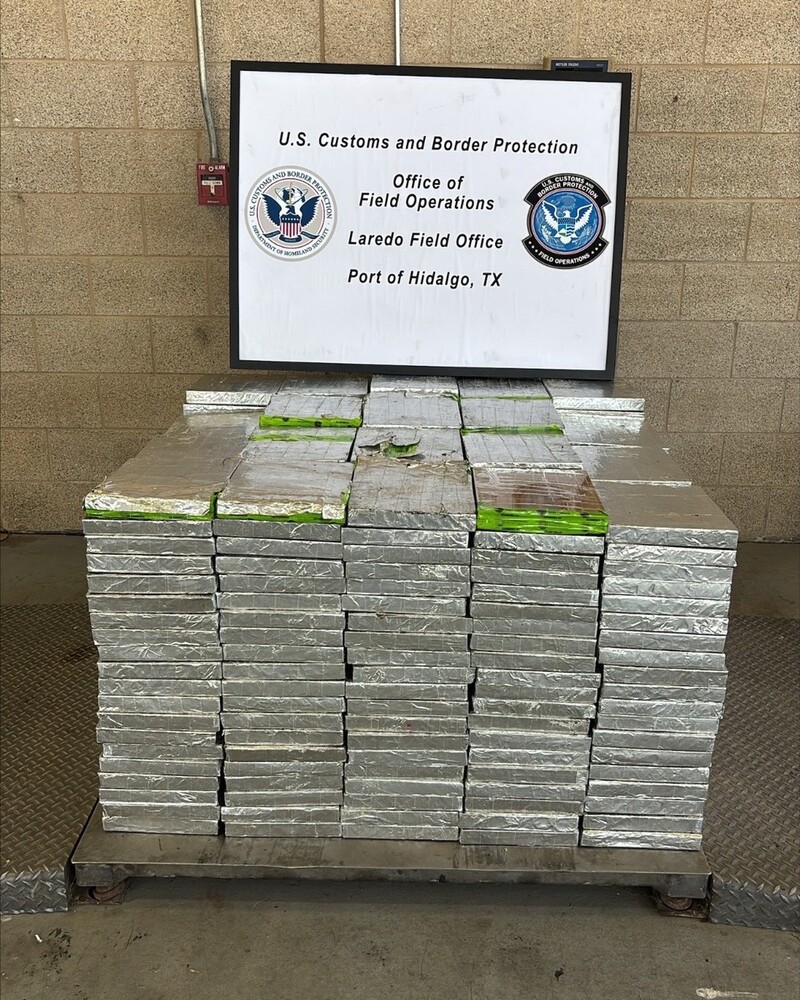
U.S. Customs and Border Protection officers discovered 395 packages of suspected methamphetamine concealed inside a tractor-trailer that arrived from Reynosa, Mexico, carrying a shipment declared as leeks. The seizure took place at the Pharr International Bridge cargo facility in Texas. CBP valued the narcotics at $10.75 million.
According to CBP, the packages weighed 1,204.82 pounds, or 546.5 kilograms. Officers seized both the suspected drugs and the tractor-trailer. Homeland Security Investigations special agents have opened a criminal investigation. Officials did not identify the driver, and no arrests were announced.
Secondary Inspection Reveals Suspected Narcotics
CBP officers encountered the commercial vehicle on Aug. 22 at the Pharr International Bridge, the crossing that connects Pharr, Texas, with Reynosa, Mexico. Pharr is one of the busiest commercial crossings for produce imported from Mexico, and perishable shipments such as vegetables move through the port in large volumes. Officers referred the tractor-trailer for a secondary examination, where nonintrusive inspection equipment showed anomalies within the trailer.
A canine team also alerted officers to the odor of narcotics, CBP reported. Officers then conducted a physical inspection of the cargo area, which uncovered the packages concealed within the shipment manifested as leeks. CBP did not disclose how the packages were hidden.
Port Director Credits Officers
Port Director Carlos Rodriguez credited the officers who handled the interception. "Our officers continue to be on a streak of success," Rodriguez said. "The efforts of our CBP officers continue to be illustrated with massive disruptions of smuggling attempts at our international crossings."
The agency released no further details about the suspected trafficking operation. The release did not identify the carrier, shipper, consignee or broker connected to the load, and officials have not described the suspected methamphetamine's intended destination.
HSI will lead the criminal investigation from this point. CBP has not announced whether investigators have linked the case to other seizures.
For freight professionals, the case underscores how legitimate cargo descriptions can conceal serious criminal activity, and it illustrates the layered inspection process—manifest review, nonintrusive imaging, canine screening and physical exams—that CBP applies to commercial traffic at the border. When seizures occur, carriers and shippers can face equipment seizure and related investigative scrutiny even when the cargo documentation appears routine, making shipment-level vetting and reliable cross-border partnerships an essential part of supply-chain security.
