Cardano Founder Charles Hoskinson Named Speaker at 2026 Wyoming Blockchain Symposium
Key Takeaways
- •Charles Hoskinson will speak at the 2026 Wyoming Blockchain Symposium, according to an announcement from SALT on X.
- •The symposium is scheduled for August 17–20, 2026, at the Four Seasons Resort in Jackson Hole, Wyoming.
- •The event is invitation-only and is co-hosted by SALT and Kraken, with around 500 investors, builders, and policymakers expected to attend.
- •The speaker lineup includes SEC Chairman Paul Atkins and CFTC Chairman Michael S. Selig, highlighting ongoing U.S. digital asset regulatory issues.
- •Cardano has moved its development focus to the Dijkstra era, with early phases planned for Mainnet deployment by the end of 2026.
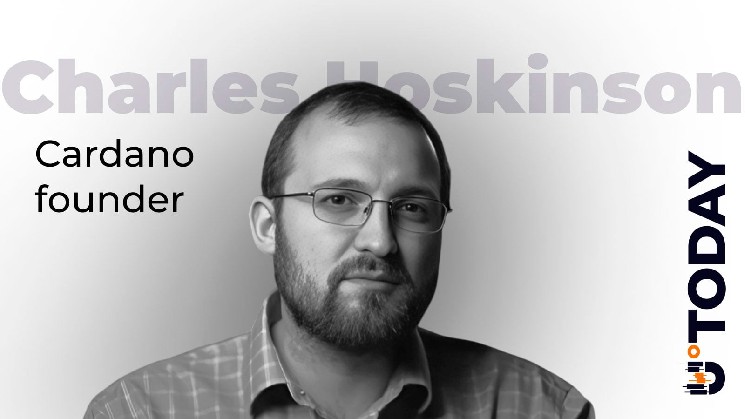
Cardano Founder Charles Hoskinson Named Speaker at 2026 Wyoming Blockchain Symposium
Cardano founder Charles Hoskinson has been confirmed as a speaker at the 2026 Wyoming Blockchain Symposium, joining a high-profile roster of financial and policymaking figures.
The official SALT account on X announced that Hoskinson — creator of Cardano and Chief Executive Officer & Founder of Input Output Group — will address the symposium, scheduled for August 17–20, 2026.
Speaker Announcement for the 2026 Wyoming Blockchain Symposium, August 17-20: Charles Hoskinson (@IOHK_Charles), Chief Executive Officer & Founder, Input Output Group pic.twitter.com/YFNsUdUYeQ — SALT (@SALTConference) July 30, 2026
Hoskinson joins an elite lineup that includes SEC Chairman Paul Atkins, Michael S. Selig (16th Chairman of the Commodity Futures Trading Commission), John Hoffman of Ondo Finance, Anthony Scaramucci (founder and chairman of SALT), David Ripley of Kraken/Payward, Caitlin Long of Custodia Bank, Ripple CEO Brad Garlinghouse, and Stellar Foundation CEO Denelle Dixon, among others. The presence of both SEC and CFTC leadership at the same event is notable, as jurisdictional boundaries between the two agencies over digital asset oversight have been a central issue in U.S. crypto regulation.
Now in its third year, the Wyoming Blockchain Symposium is an invitation-only gathering co-hosted by SALT and Kraken at the Four Seasons Resort in Jackson Hole, Wyoming. The event brings together 500 leading investors, builders, and policymakers focused on shaping digital asset regulation and advancing institutional adoption. Wyoming has positioned itself as one of the most blockchain-friendly U.S. states, having enacted legislation such as the Special Purpose Depository Institution (SPDI) charter framework — under which Caitlin Long's Custodia Bank was established.
The four-day program aims to catalyze forward-thinking digital asset regulation, promote a more decentralized global financial system, and deepen institutional understanding and adoption of blockchain infrastructure.
Cardano Development Updates
Cardano (ADA) marked the sixth anniversary of its staking era this week. The Shelley upgrade, which introduced stake pools and delegation to the network, launched on July 29, 2020, marking a pivotal step in Cardano's transition toward community-operated block production.
Following the successful van Rossem hard fork, Cardano has shifted its focus to the Dijkstra era. According to a recent update from Intersect, the initial Dijkstra rollout is planned across three phases, introducing Nested Transactions, Linear Leios, and Peras in sequence — a set of upgrades aimed at improving the network's transaction throughput and scalability.
The first hard fork scope is expected to be frozen by July 31, following a presentation to the Technical Steering Committee on July 29. The scope is anticipated to include CIP-50, while CIP-23 is likely to be incorporated into the 2026 roadmap.
The Haskell node team's current objective is to deliver Phase 1 (Nested Transactions) and Phase 2 (Linear Leios) to Mainnet by the end of 2026, enabling an incremental rollout of key Dijkstra capabilities.
Constitutional updates required for the Dijkstra era are expected to follow the hard fork enactment. Community socialization of these changes will begin as early as practicable to allow sufficient time for discussion and feedback.

