Cannabis Firms Donated $10 Million to Trump-Aligned Super PAC, Salon Reports
Key Takeaways
- •Verano, Curaleaf, Trulieve and Vision Management Services each donated $2.5 million to America First Agriculture Action Inc., according to Salon’s review of FEC filings.
- •Super PAC donor disclosures provide public insight into how regulated industries seek influence in federal politics.
- •Salon reported that the psychoactive hemp market faces a major threat from legislation tied to reopening the government after last year’s shutdown.
- •The bill included a provision aimed at closing a loophole that allowed psychoactive hemp products to be sold unless further legislation keeps hemp legal.
- •Industry figures quoted by Salon warned that cannabis-related political spending could shape federal reforms to benefit larger companies over small farmers and independent operators.
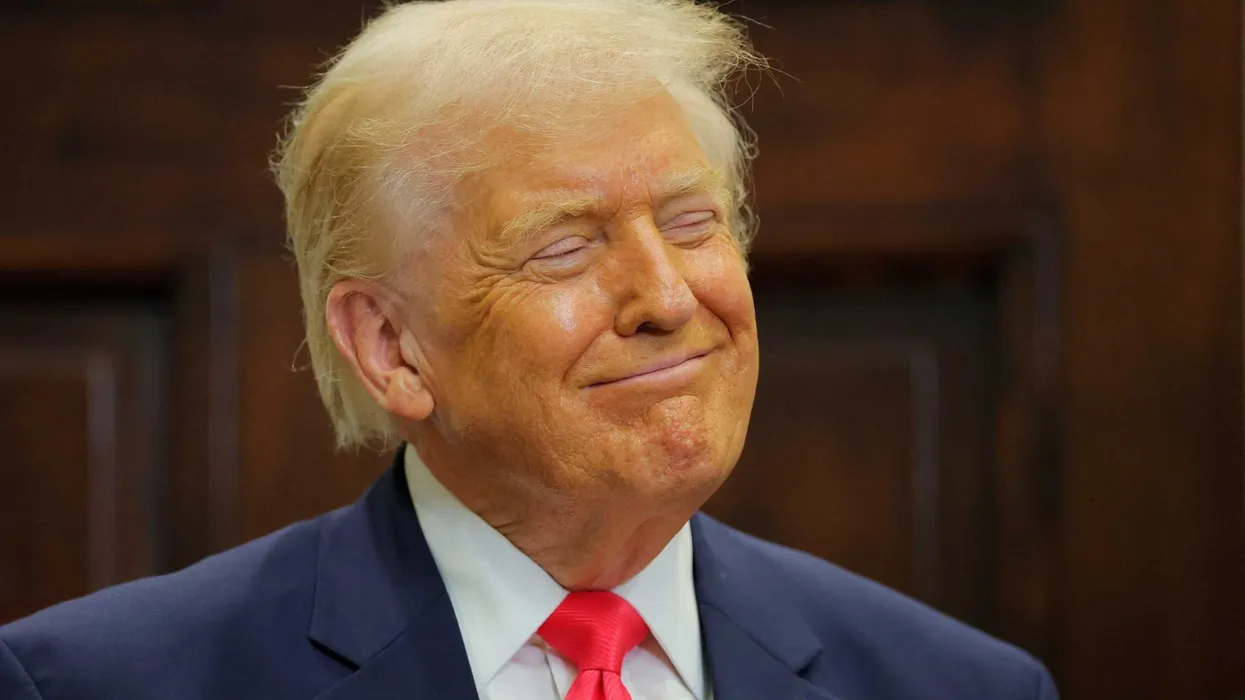
Four major cannabis companies have contributed a combined $10 million this year to a super PAC aligned with President Donald Trump, according to a Saturday report by Salon.
Verano, Curaleaf, Trulieve and Vision Management Services each donated $2.5 million to America First Agriculture Action Inc., Salon reported, citing its analysis of Federal Election Commission filings. Super PACs are required to disclose donors to the FEC and may raise and spend unlimited sums independently of candidates, making the filings a key public window into how regulated industries seek influence in federal politics.
“This is how Trump operates,” Ryan Hunter, chief revenue officer at Spherex, a company that sells cannabis-infused vape cartridges, told Salon. “You’ve got to grease the palms.”
Reporter Russell Payne wrote that the donations were notable because “support for legalizing marijuana is sharply declining among Republican voters.”
Salon also reported that the Trump administration has moved to ban marijuana by classifying it as a Schedule III drug. At the same time, the psychoactive hemp market faces “an existential threat” in legislation to reopen the government following last year’s shutdown, according to the report. Federal cannabis policy remains especially consequential for the industry because marijuana’s legal status is still set under federal drug law even as many states have allowed medical or adult-use sales.
That bill included a new provision intended to close a loophole in November that allowed psychoactive hemp products to be sold, unless hemp lobbyists are able to secure another law keeping hemp legal.
Joe Gerrity, CEO of hemp-infused seltzer retailer Crescent Canna, told Salon he was surprised Democrats had not stepped in to help, given what he described as demand for an expanded cannabis market.
“There’s no doubt it’s politically popular to embrace the cannabis industry from a party perspective,” Gerrity said. “Frankly, it shocks me that we still haven’t seen a Democrat come out of the fold in a leadership position wholly embracing marijuana and pro-cannabis legalization.”
Josh Kesselman, founder of RAW Rolling Papers, warned that the rise in cannabis-related political spending could create difficulties for marijuana users if Washington responds to lobbying pressure with the wrong kind of reform.
“If Washington gets this wrong, reform could end up favoring the players who spend the most on lobbying while leaving small farmers, independent operators and the people who built this movement behind,” Kesselman said.
“This plant should not be handed over to cannabis oligarchs who profit at the expense of everyone beneath them,” he added.
Hunter, the cannabis vape cartridge seller, said large political contributions have already affected the process.
“It’s not surprising to see these large amounts of money flowing into PACs that he’s in favor of,” Hunter said. “It’s just, unfortunately, how the game is played.”

