Gen Z warms to mining as labour crunch looms
Key Takeaways
- •MiHR forecasts Canadian mining will need about 246,400 hires from 2026 to 2035 in its baseline scenario and nearly 329,000 in an expansionary scenario.
- •The industry expects labour-market tightness to peak in 2027, when nearly half of hiring needs could be hard to fill.
- •A MiHR survey found 42% of Canadians aged 15 to 24 would consider a mining career, up from 2023 and 2020 levels.
- •Under MiHR’s baseline assumptions, 212,556 workers are projected to leave mining over the decade, creating a hiring gap of about 65,700 people.
- •MiHR says young people’s views of mining are improving, but concerns about safety, remote locations and time away from home still weigh on recruitment.
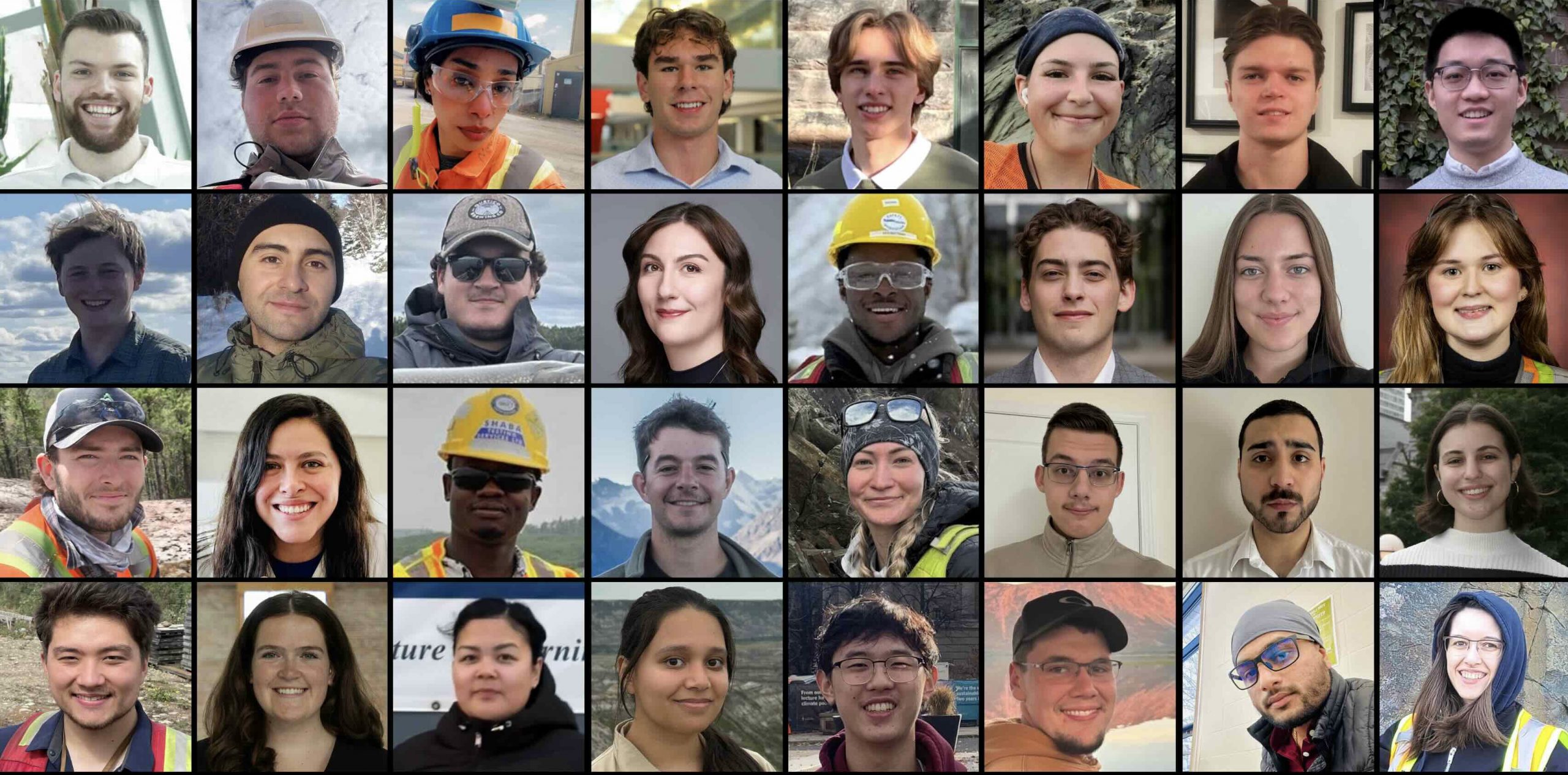
Canada’s mining industry is attracting more young people just as it faces a much bigger challenge: finding enough workers to staff a new generation of mines.
A new Mining Industry Human Resources Council (MiHR) forecast says Canadian mining may need to hire about 246,400 workers between 2026 and 2035 under its baseline scenario, including replacements for retirees and others leaving the industry. Under an expansionary scenario, that requirement rises to nearly 329,000 workers.
The pressure could build quickly. MiHR forecasts pronounced labour-market tightness in 2027, when nearly half of hiring requirements could be difficult to fill. Even after that initial squeeze, about 15% to 25% of required hires are expected to remain relatively difficult to recruit through much of the next decade.
“There’s a very acute shortage of talent in the industry and it’s a function of two factors,” McEwen Chairman and chief owner Rob McEwen said in a recent interview with Top of Mine . “One, there are a lot of people retiring. And two, there’s not many people coming into the industry.”
Gen Z
That said, the industry’s longstanding Gen Z problem appears to be improving, though it is far from solved.
A separate MiHR survey of 3,000 Canadians aged 15 to 24 this year found 42% would consider a mining career, up eight percentage points from 2023 and 14 points from 2020. Positive impressions of mining, at 32%, now exceed negative ones at 21%. Even so, mining still trails sectors such as technology and health care in attracting young workers.
The results mark a notable reversal from surveys that suggested roughly seven in 10 young Canadians would not consider the industry only a few years ago.
There remains a mismatch between mining’s rising labour needs and the number of workers entering the sector. MiHR expects Canada’s mining workforce to grow 16% to about 242,400 people by 2035 in its baseline forecast, or 41% to almost 295,000 under a stronger expansion scenario. But retirements and workers moving to other industries mean hiring requirements are much larger than the net increase in employment, which is why the industry’s recruiting challenge matters even when headline employment is expected to rise.
Under MiHR’s baseline assumptions, 212,556 people are projected to leave the mining workforce over the decade. New entrants would cover only part of that demand, leaving an estimated hiring gap of about 65,700 workers. Extraction and milling alone accounts for 108,123 projected exits and a hiring shortfall of more than 42,000.
Spending rises
The timing is awkward. Gold prices have surged, exploration spending has increased and governments are trying to speed mine development as critical minerals gain greater economic and strategic importance. MiHR says Canada has 138 mining-related projects representing about $117 billion in potential investment.
“You don’t have a new group of people coming in at the same time as metal prices are taking off and everybody wants to build a mine,” McEwen said. “So there’s intense competition for labour right now.”
The current labour market is more nuanced than a simple worker shortage. Mining job-vacancy rates have fallen since 2022, suggesting employers have recently found it somewhat easier to fill openings. MiHR nevertheless says rapid employment growth can create shortages because recruitment and training cannot immediately respond to rising demand.
The longer-term question is whether enough people will enter the industry to replace those leaving. The Northern Miner Group has built a website with Franco-Nevada (TSX, NYSE: FNV) showing youth where and what to study for mining in Canada.
The Young Mining Professionals charity, funded by major industry companies such as Agnico Eagle Mines (TSX, NYSE: AEM), Iamgold (TSX: IMG; NYSE: IAG) and Equinox Gold (TSX: EQX), has increased its scholarships this year by a third to $300,000.
Mining’s image
MiHR’s latest research suggests mining’s image among young Canadians is improving, but older perceptions remain stubborn.
Mining continues to be associated with good pay and benefits, but also danger and traditional physical work. When asked which words first came to mind in relation to mining, young respondents most often cited “coal,” “gold” and “danger.”
Even so, perceptions have improved since 2020 in areas including career advancement, safety, work-life balance and the ability to find jobs where respondents want to live.
The biggest barriers may increasingly be lifestyle concerns and a lack of understanding of what modern mining jobs actually involve.
MiHR’s follow-up research found that safety, remote locations and time away from home can outweigh mining’s higher salaries and job stability for young people. It also found the main communications challenge was not outright hostility toward mining, but a lack of clear and trusted information about what the jobs involve, how young people can enter the industry and what the lifestyle is like.
Views change
Young workers’ preferences may actually be moving closer to mining in some respects. Three-quarters of respondents said they preferred active rather than sedentary work, 64% preferred working with a team and 58% favoured working mainly with their hands. Interest in working from home declined seven percentage points from the previous survey.
The industry also appears to face an awareness problem. When young participants were shown information describing mining’s range of careers, 61% said it improved their perception of the industry. A smaller qualitative study found exposure to mining career information increased interest among 65% of participants, particularly after they learned about jobs in areas such as technology, finance and business as well as traditional mine-site roles.
That creates an unusual labour-market contradiction. Canada’s youth unemployment rate was 12.6% in July, above its pre-pandemic average of 10.8%, even as mining prepares for potentially severe worker shortages.
Whether mining can bridge that divide could become increasingly important as Ottawa and the provinces accelerate mineral development. MiHR estimates hiring needs will exceed expected entrants throughout its 2026-35 forecast, meaning the labour gap narrows after its expected 2027 peak but never disappears.

