Canada to Match US Tariffs as Trade Talks Collapse, Escalating Trade Tensions
Key Takeaways
- •Canada will impose tariffs equivalent to recently announced U.S. measures after trade negotiations between the two countries collapsed.
- •The United States declared a 50% tariff on approximately $20 billion worth of Canadian imports, including wine, dairy, and cement.
- •Annual two-way trade between the United States and Canada runs close to $1 trillion, much of it under the USMCA, which is scheduled for a joint review in 2026.
- •Prediction markets on gold reaching $4,700 in August 2026 have seen a significant increase in YES pricing, reflecting expectations of heightened geopolitical risk and safe-haven demand.
- •Gold has recorded a series of highs in 2025, a period during which central banks have continued buying the metal at a pace near historic peaks.
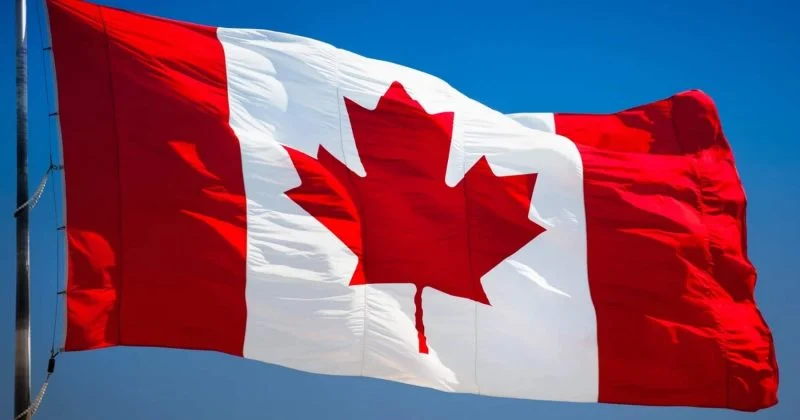
Canada will impose tariffs equivalent to the measures recently announced by the United States, after trade negotiations between the two countries broke down.
The United States declared it would apply a 50% tariff on approximately $20 billion worth of Canadian imports, including goods such as wine, dairy, and cement. Canada is now responding in kind to the U.S. measures. The escalation in trade tensions has heightened concerns over cross-border trade, and the retaliatory actions could potentially disrupt supply chains and impact economic relations between the two countries. The stakes are considerable: the United States is Canada's largest trading partner, annual two-way trade in goods and services between the two neighbors runs close to $1 trillion, and much of it flows under the United States–Mexico–Canada Agreement (USMCA), the trilateral pact that replaced NAFTA in 2020 and is itself scheduled for a joint review in 2026.
In prediction markets — platforms where participants trade on the outcome of defined events, with prices reflecting the crowd's implied probability — the development has coincided with increased expectations for gold prices to rise. The heightened geopolitical risk driven by the tariff dispute suggests a flight to safe-haven assets such as gold. Markets on gold reaching $4,700 in August 2026 have seen a significant increase in YES pricing, indicating that participants view the probability of hitting that target as higher than before. The metal has already notched a series of record highs in 2025, a period in which central banks have continued buying gold at a pace near historic peaks, a backdrop that has kept broad attention on the asset.
Canada's announcement appears to have escalated trade tensions, with potential implications for global markets. Pricing suggests that market participants anticipate an increase in geopolitical risk, which is often supportive of gold prices, and the sharp rise in the implied likelihood of gold reaching $4,700 in August 2026 reflects market sentiment toward safe-haven assets.
What to Watch
Observers will be closely monitoring further developments in U.S.-Canada trade negotiations, as additional tariffs or resolutions could influence market dynamics. The scheduled 2026 joint review of the USMCA adds a longer-term checkpoint for North American trade policy alongside the dispute. The Federal Reserve's upcoming communications and potential shifts in monetary policy could further impact gold prices. Geopolitical developments, including other international trade disputes or agreements, may also play a role in shaping market expectations for gold prices in the coming weeks.
Source: CryptoBriefing
