Trump Proposes 50% Tariff on Canadian Auto Imports, With Toyota and Honda Most Exposed
Key Takeaways
- •Toyota and Honda together account for more than 75% of vehicle production in Canada, making them the companies most exposed to the new tariff.
- •The 50% tariff, effective January 1, 2027, would double the existing 25% tariff on non-US content in Canadian vehicles in place since April 2025 under Section 232 authority.
- •Canadian Prime Minister Mark Carney has pledged retaliatory tariffs against the US beginning September 8, 2026.
- •Canadian-built vehicles represent 24% of Honda's US sales and 17% of Toyota's US sales.
- •In mid-August 2026, the US already implemented 50% tariffs on roughly $20 billion worth of Canadian goods across multiple categories.
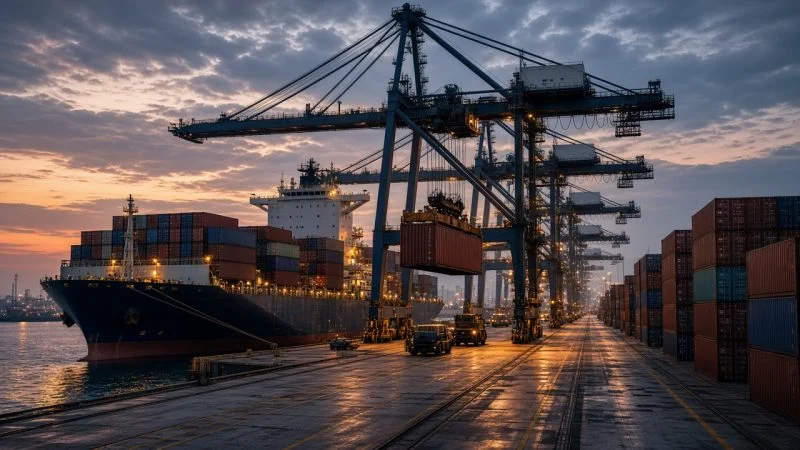
President Trump announced on August 24 that tariffs on all cars, trucks, automotive parts, and steel imported from Canada will rise to 50%, effective January 1, 2027. The decision marks a sharp escalation in the trade war with America's largest trading partner — and it falls directly on the balance sheets of two Japanese automakers that built enormous production footprints in Ontario.
Toyota and Honda together account for more than 75% of vehicle production in Canada. That is no minor footnote: a tariff ostensibly aimed at Ottawa will largely be paid by companies headquartered in Tokyo.
From 25% to 50%: the escalation timeline
The proposed 50% rate would double the existing 25% tariff on non-US content in Canadian vehicles, in place since April 2025 under Section 232 authority. Section 232 is the same Cold War-era statute that underpinned earlier steel and aluminum tariffs, allowing the president to restrict imports on national security grounds without a congressional vote. Canada answered that initial levy with matching 25% tariffs on US vehicles, setting up the kind of tit-for-tat spiral that trade economists warn about but politicians rarely avoid.
In mid-August 2026, the US implemented new 50% tariffs on roughly $20B worth of Canadian goods across multiple categories. The automotive tariff proposal extends that same punitive rate to the single largest category of cross-border trade between the two countries. Vehicles and parts dominate the US-Canada goods trade relationship — automotive products have long represented the largest single share of what Canada sells to the United States.
Canadian Prime Minister Mark Carney has already pledged retaliatory tariffs beginning September 8, 2026. Carney, a former central banker who took office in 2025 on a platform of standing up to US trade pressure, has framed diversifying Canada's trade away from the US as a core priority of his government.
Why Toyota and Honda take the biggest hit
The geography of North American auto manufacturing effectively turns this tariff into a tax on Japanese production strategy. Over decades, Toyota and Honda have invested billions in Canadian assembly plants, drawn by skilled labor, proximity to the US market, and favorable trade terms under NAFTA and its successor, the USMCA. That integration was the point: the USMCA, negotiated in 2018 and in force since 2020, was designed to keep North American auto production competitive as a bloc, with duty-free treatment for vehicles meeting regional content rules.
Canadian-built vehicles account for 24% of Honda's US sales and 17% of Toyota's US sales. Both companies now face a difficult set of options: absorb the tariff cost, which would crater margins on every vehicle shipped south; pass the cost on to American consumers, adding thousands of dollars to the sticker prices of popular models such as the Honda CR-V and Toyota RAV4, both of which have Canadian production; or shift production to US facilities — a process requiring years and billions in capital expenditure. Both automakers also operate extensive US plants, and Toyota in particular has announced successive rounds of additional US investment in recent years.
The broader trade war context
The auto sector is especially intertwined. Supply chains built over decades crisscross the border repeatedly before a finished vehicle rolls off the line — a single engine block might cross between Michigan and Ontario three or four times during production. Tariffs applied at each crossing compound costs in ways that headline rates alone do not capture. Ontario is also home to plants operated by US-based automakers, including General Motors and Stellantis, meaning US-headquartered companies face exposure from the Canadian side of the border as well.
What to watch next
The January 2027 effective date leaves both sides a window for negotiation. Carney's September 8 retaliation deadline arrives first, and the nature of Canada's response will set the tone for the fall. Legal challenges to earlier Section 232 tariffs are also working through US courts, which could bear on how durable any of these measures prove to be.
For automakers, capital allocation decisions for 2027 and beyond must now account for the possibility that a quarter or more of their North American production sits behind a 50% tariff wall. Some analysts anticipate accelerated investment in US-based plants, a shift that would carry enormous cost and take years to materialize.
