California Bans Public Officials From Issuing Memecoins Under New 2027 Crypto Law
Key Takeaways
- •Assembly Bill 2409 prohibits California state and local public officials from creating memecoins and restricts digital asset companies from issuing covered official-linked tokens to California residents.
- •The new restrictions apply only to covered tokens issued on or after January 1, 2027, leaving tokens issued before that date outside the scope of the law.
- •Digital asset service providers may be barred from serving California residents if they provide covered memecoins, a provision with significant weight given California's status as the most populous U.S. state.
- •Newsom's office tied the legislation to President Donald Trump's 2025 memecoin, citing administration figures of more than $3 billion in losses for between 980,010 and 1 million investors while Trump made about $636 million.
- •Senate Bill 1208 broadens California's legal definition of crypto-based money laundering and establishes streamlined procedures for seizing criminal-linked cryptocurrency and pursuing victim restitution.
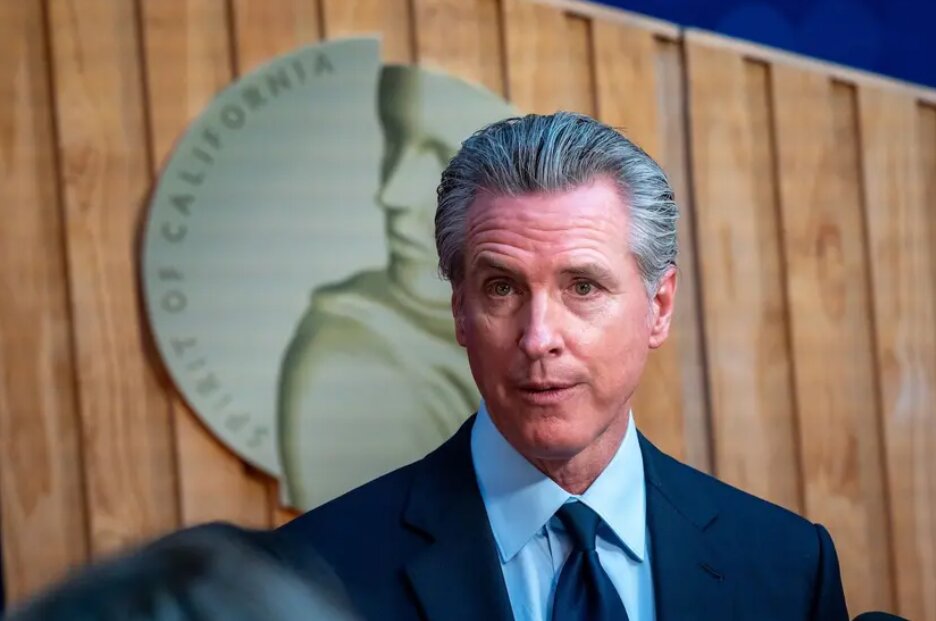
California Governor Gavin Newsom signed a package of new legislation on September 27, placing increased oversight over political memecoins and crypto-related crime in the Golden State. The measures center on the regulation of public officials, digital asset intermediaries, and crimes tied to digital assets. Under the new framework, restrictions apply to covered tokens issued starting January 1, 2027, according to an announcement from the governor's office.
New Restrictions on Public Official Memecoins
Assembly Bill 2409 (AB 2409) prohibits California state and local public officials from creating memecoins, adding new restrictions on tokens connected to public officials. The law also restricts digital asset companies from issuing covered “official”-linked tokens to California residents, limiting the creation of certain tokens that feature a public official's likeness or are released in connection with a public official.
The bill was authored by Assembly member Avelino Valencia and imposes crypto-specific restrictions layered onto California's existing public employee ethics rules. According to reporting on the bill, the measure applies to covered tokens issued on or after January 1, 2027, which places tokens issued before that date outside the scope of the new restrictions as described.
Enforcement Extends Beyond Token Issuers
The rules reach beyond the officials who stand behind a token. Under the law, digital asset service providers (DASPs) may be prohibited from entering into business with California residents if they provide covered memecoins to the state's residents. Enforcement can be carried out by state or local legal authorities through civil action, and regulators have an additional mechanism to take action against violations beyond rules that already apply to public employees.
Because California is the most populous U.S. state, the DASP provisions carry practical weight for digital asset companies: a bar on serving California residents would mean forgoing the largest state population in the country. The policy responds to the increasing focus of regulatory authorities on tokens whose value relies mostly on the identity, branding, or public profile of a politician.
Newsom's Office Ties the Rules to Trump's Memecoin
In an announcement titled “The Opposite of Trump,” Newsom's office drew an explicit link between the bill and the memecoin launched by President Donald Trump in 2025, presenting the token as an illustration of the financial and conflict-of-interest risks the new law is meant to counter.
According to figures reported by the California administration, between 980,010 and 1 million people saw their investments lose money, with losses totaling more than $3 billion, while Trump made about $636 million. The figures were cited in the governor's office announcement.
California Expands Crypto Crime Enforcement
Newsom also signed Senate Bill 1208 (SB 1208), another bill in the package related to digital assets. According to the governor's office, SB 1208 aims to prevent cryptocurrency money laundering and establishes more streamlined recovery procedures for cryptocurrencies linked to criminal activity.
The bill broadens California's legal definition of crypto-based money laundering and covers asset seizure and victim restitution. It is also intended to help protect victims of crypto fraud and to provide a legal means of seizing cryptocurrency used in transnational criminal financial operations.
Read together, AB 2409 and SB 1208 complement one another and advance California's crypto policy agenda along two tracks: limiting engagement with politically connected memecoins and strengthening enforcement against illegal digital asset activity in the state. The January 1, 2027 start date for covered tokens marks the point at which the new restrictions begin to apply, making implementation the next stage to watch as the framework moves from signing into effect.

