California Legislature Approves Package of Pro-Solar Legislation
Key Takeaways
- •The California State Assembly passed SB 905, which would require electrical corporations to identify grid circuits suited to additional load and deploy distributed resources like solar there.
- •SB 905 aims to improve grid utilization and reduce electricity costs amid growing demand and grid strain in California.
- •The bill follows 2022 CPUC net billing rules that sharply reduced rooftop solar export compensation and were blamed for steep declines in residential solar installations.
- •Other recent measures include SB 913's peak-demand export compensation, a community solar and storage program, and Newsom-signed AB 1738 on remote inspections and SB 868 legalizing balcony solar.
- •Implementation by state regulators and utilities will determine how quickly the intended solar and storage expansion materializes.
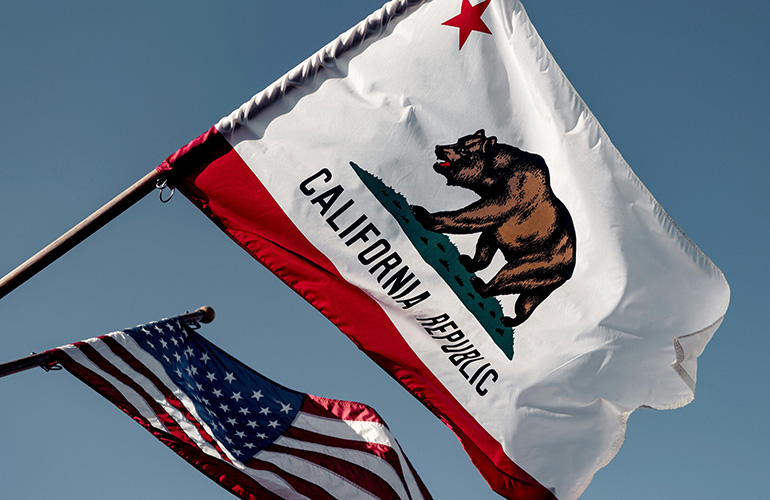
The California State Assembly passed a bill on Sunday that could accelerate the development of distributed energy resources such as solar power across the state.
Senate Bill 905, introduced by Sen. Josh Becker (D-13) in January, is aimed at more efficient grid utilization and lowering electricity costs for utility customers. The legislation directs utility operators to pursue new sources of electrical generation.
"With rising energy demand and some of the highest electricity costs in the country, California cannot afford to leave valuable capacity sitting unused on the grid. SB 905 is a no-regrets solution that will help the state make better use of the grid we have and put downward pressure on electricity costs," said Brandon Garcia, California director at Advanced Energy United, in a press statement.
If enacted, electrical corporations would be required to determine which grid circuits could benefit from additional energy load, and the bill suggests deploying "distributed resources," such as commercial and residential solar projects, in those segments.
The legislation arrives as California confronts growing electricity demand and grid strain, and follows years of debate over how the state compensates customer-owned solar. In 2022, the California Public Utilities Commission adopted new net billing rules that sharply reduced export compensation for rooftop solar, a change the solar industry blamed for steep declines in residential installation volumes. The current legislative push signals an effort by lawmakers to re-expand the role of distributed solar and storage within the state's energy mix.
The bill is part of a broader string of recently passed measures supporting solar and energy storage in California.
On Thursday, the Senate passed SB 913, which establishes a rate of compensation for energy exported by a ratepayer to a grid operator during peak demand periods when electricity costs more, such as stored energy from a home battery. The Senate also approved a bill creating a long-awaited community solar and storage program in the state, a model that lets renters and residents without suitable rooftops subscribe to shared solar projects and receive credits on their utility bills.
Governor Gavin Newsom signed AB 1738 and SB 868 into law on Friday. AB 1738 authorizes remote inspections statewide for home energy upgrades, including solar and battery storage installations, a step intended to shorten permitting timelines and reduce installation costs, while SB 868 legalizes small-scale plug-in or "balcony" solar systems in California, an approach already widespread in parts of Europe that lets apartment dwellers generate a portion of their own power from windows and balconies.
Taken together, the measures span generation, compensation, inspection, and consumer access, and their implementation by state regulators and utilities will determine how quickly the intended solar and storage deployment materializes.
