Bybit KYC Requirements for the Philippines: Verification Levels, Limits, and Processing Times
Key Takeaways
- •Bybit has mandated KYC verification for all users since May 2023, when the no-KYC tier was removed, making identity verification a precondition for trading and withdrawals.
- •Standard Verification, requiring a government-issued ID and a live selfie, unlocks spot, derivatives, and copy trading along with daily crypto withdrawals of up to 1 million USDT.
- •Advanced Verification adds proof of address to the Standard requirements, raising the daily crypto withdrawal limit to 2 million USDT and unlocking fiat deposits via SEPA and SWIFT.
- •Verification typically takes around 15 minutes but can take up to 48 hours, with common rejections stemming from blurry ID photos, failed facial recognition, or mismatched personal details.
- •Completing KYC does not guarantee access to every service, as available payment methods and fiat options for Filipino users depend on regional restrictions and can change over time.
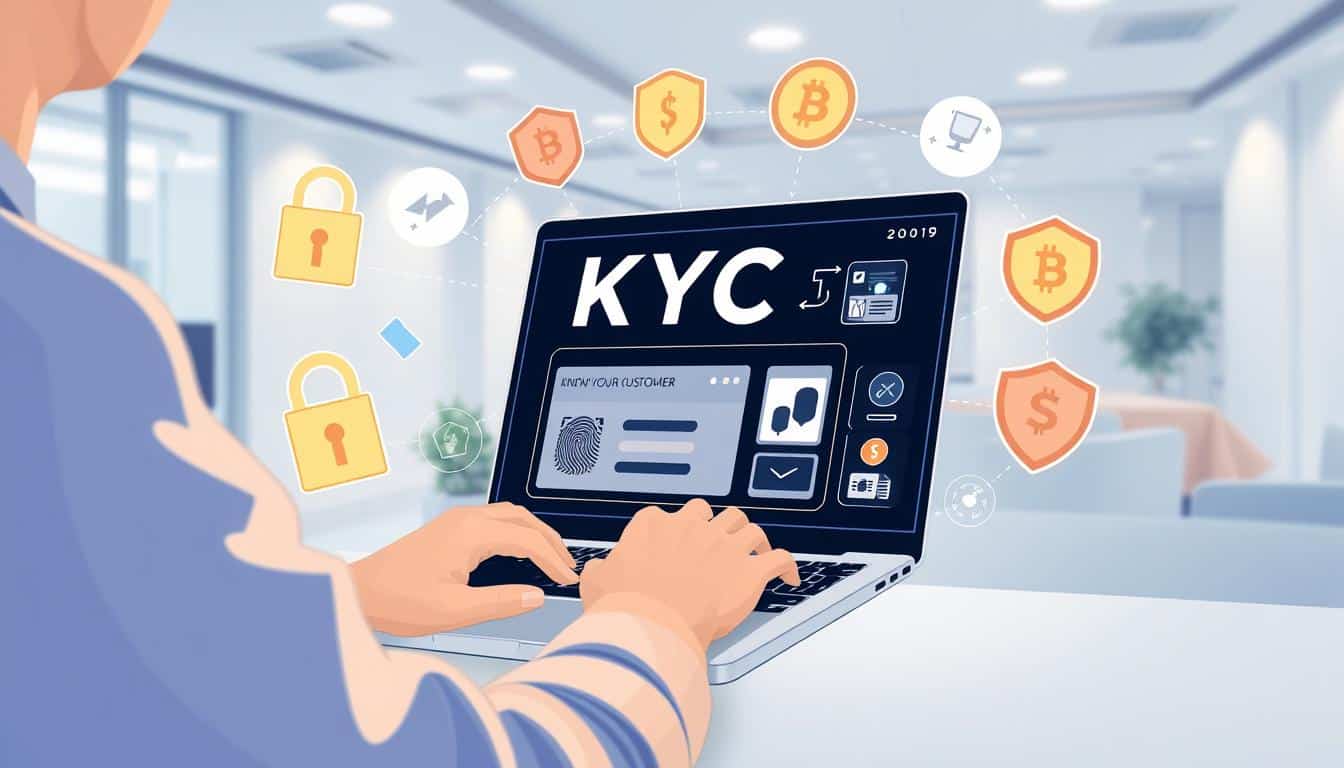
Bybit requires identity verification from all users. KYC has been mandatory on the exchange since May 2023, when the no-KYC tier was removed. Standard Verification — a government-issued ID plus a live selfie — unlocks trading and crypto withdrawals of up to 1 million USDT per day, while Advanced Verification adds proof of address and raises the daily limit to 2 million USDT.
This guide sets out Bybit's KYC requirements, with particular attention to users in the Philippines, covering the documents needed, the differences between verification levels, fiat transaction rules, processing times, and how keep verification details up to date.
What Bybit KYC Is and Why It Matters
Know Your Customer (KYC) is the process through which financial institutions verify customer identities in order to combat financial crimes such as money laundering. For crypto exchanges like Bybit, it is a core compliance measure: users must submit personal information and identity documents to prove who they are. The process is designed to ensure transparency, prevent fraud, and maintain the integrity of the platform.
For users, completing KYC strengthens account security, protects against fraud, and unlocks advanced features, higher withdrawal limits, and access to additional services such as crypto loans and staking. "Bybit's KYC process is a crucial step in ensuring the platform's integrity and maintaining a secure, trustworthy environment for all users."
Bybit's KYC rules align with global Anti-Money Laundering (AML) and Counter-Terrorist Financing (CTF) regulations — a commitment the exchange presents as central to the safety and legitimacy of its platform and to building trust among its growing user base. The May 2023 removal of the no-KYC tier — the change that made verification a precondition for trading and withdrawals on the platform — is one concrete expression of that alignment, coming as regulators worldwide push for stricter KYC and anti-money laundering rules.
Bybit KYC Requirements for the Philippines
Filipino users who want to use Bybit must complete the identity verification required for their account and for the services they intend to access. Standard Verification generally requires a valid government-issued identity document and facial recognition. Depending on individual circumstances and the service involved, users may also need to provide proof of address or additional information.
Before starting verification, users should select their actual country of residence and provide accurate personal information, making sure the name and date of birth on their ID match their account details. For address verification, Bybit generally accepts eligible documents such as bank statements, utility bills, or government-issued proof of residence dated within the last three months.
An important caveat applies to users in the Philippines: available services, payment methods, and regional restrictions may change. Bybit advises checking its current terms and the options displayed in the account before depositing funds or relying on a particular payment method. Completing KYC does not guarantee access to every service in every country. In practice, that means the services available to a Filipino account when it is first verified may not be the same months later — the options displayed in the account, not past experience, are the reliable reference before moving funds.
Verification Levels, Limits, and Supported Features
An account's verification level determines which services it can access and the withdrawal limits that apply. According to Bybit's published KYC guidance, the main differences for individual accounts are:
- Standard Verification (Level 1) — a government-issued ID plus a live selfie. This tier unlocks spot, derivatives, and copy trading, along with crypto withdrawals of up to 1,000,000 USDT per day.
- Advanced Verification (Level 2) — proof of address on top of Standard Verification. This tier raises withdrawals to 2,000,000 USDT per day, unlocks fiat deposits via SEPA and SWIFT, and provides higher VIP benefits.
These are published limits, not guaranteed transaction approvals. VIP status, risk controls, regional restrictions, and additional verification requests can affect the limits or services available to an individual account. Bybit's official KYC level comparison carries the latest details, and for withdrawals approaching either threshold, the limit displayed in the account is the operative figure for any given transfer. Higher verification levels also reinforce account security and signal a commitment to responsible trading, according to the exchange.
Fiat Deposits and Withdrawals
Bybit requires identity verification for fiat deposits and withdrawals. Completing KYC does not, however, mean that every fiat payment method is available to users in the Philippines: supported currencies and payment options depend on the user's country or region of residence and on the service provider. Even the fiat rails named at Level 2 — SEPA and SWIFT — remain subject to that regional availability, so the methods that actually appear in a Filipino account may be narrower than the tier's headline features suggest. Before initiating a fiat transaction, users should check the deposit or withdrawal section of their Bybit account to confirm which currencies, payment methods, fees, and limits are currently available.
Requirements for Fiat Deposits
To deposit fiat currency, users generally need to complete the required individual or business verification, with additional checks possible depending on the payment method selected. Key points to keep in mind:
- Complete KYC first: identity verification must be finished before attempting a fiat deposit.
- Check payment availability: confirm that the preferred currency and payment method are supported in the user's region.
- Use matching account details: payment information must match the Bybit verification details, and third-party payment accounts are not permitted for supported fiat deposit processes.
- Review fees and limits: transaction limits, processing times, and fees vary by payment method.
Requirements for Fiat Withdrawals
Fiat withdrawals also require identity verification. Bybit may additionally require email authentication and Google two-factor authentication (2FA) alongside the applicable KYC verification, and users may need to verify their bank or payment account before withdrawing funds.
If a withdrawal is unavailable, users should check whether the payment method supports their region, whether the account has completed the required verification, and whether additional documents have been requested.
Note that fiat deposit and withdrawal availability can differ from crypto deposit and withdrawal availability. Users should rely on the options shown in their account rather than assuming a specific bank transfer or e-wallet method is supported in the Philippines.
How to Complete the Verification Process
KYC verification is completed through the account settings. The process requires submitting a government ID, proof of address, and a selfie.
- Find the verification section in the account settings.
- Provide personal details such as name, date of birth, and address, which are used to verify identity and ensure regulatory compliance.
- Submit the required documents: a government-issued ID (for example, a passport, driver's license, or national ID card), proof of address (for example, a utility bill, bank statement, or rental agreement), and a selfie photograph.
- Await review by the Bybit team, which may take several business days; additional details may be requested if issues arise.
Common verification issues include poor image quality and mismatched information. The Bybit support team can guide users on fixing problems and resubmitting documents.
How to Check Your Verification Status
Verification status can be checked directly through the account:
- Log in Bybit via the official website or mobile app.
- Open profile or account settings: on the website, select the profile icon and navigate to the account information section.
- Find Identity Verification: select the verification option to open the KYC dashboard.
- Review the status to see whether Standard or Advanced Verification is complete, pending, or requires additional information.
- Follow any outstanding instructions, submitting requested documents through the official verification interface.
What to Do If Verification Is Pending or Rejected
Bybit states that verification typically takes around 15 minutes, although some cases can take up to 48 hours, with processing times varying depending on the complexity of the review. If verification remains pending beyond 48 hours, users can contact Bybit through its official Help Center.
If an application is rejected, the reason can be found in the notification email associated with the account or on the verification page. Common causes of rejection include blurry ID photos, incomplete document images, failed facial recognition, mismatched personal details, or documents that do not meet Bybit's requirements. The identified issue should be corrected before the application is resubmitted.
Standard vs. Advanced Verification: Which Level to Choose
Standard Verification is generally sufficient for users who want to establish their identity and access the services available at that level; it typically requires an eligible government-issued ID and facial recognition. Advanced Verification may be appropriate for users who need higher crypto withdrawal limits or want to access services that require proof of address. Those opting for the higher tier should prepare an eligible address document, such as a bank statement or utility bill, issued within the previous three months.
A higher verification level does not automatically guarantee access to every payment method or product: regional restrictions, account-specific reviews, and additional compliance checks may still apply.
Accepted Forms of Identification
Bybit accepts a range of government-issued IDs for identity verification, including passports, driver's licenses, and national ID cards. These documents allow the exchange to confirm personal information and meet regulatory standards. Address verification can be completed with recent utility bills, bank statements, or similar proof-of-residence documents.
Digital scans or high-quality photographs of documents can be submitted, which makes the process easier and faster. In some cases, Bybit may request additional verification — extra information or physical copies of an ID — and the support team can advise on any special requirements. Having documents ready before starting and following Bybit's guidelines helps the process run smoothly.
How Long Does Bybit KYC Take?
Most Bybit KYC verifications finish within hours, although full processing may take several business days, particularly during busy periods. Document quality and accuracy, along with the platform's current workload, affect speed: clear and complete documents typically lead to faster verification.
Users can check their KYC status in account settings and should contact Bybit's customer support team for delays or issues. The exchange emphasizes that the verification step is crucial for new users and aims to make it efficient and smooth.
Tips for a Smooth KYC Experience
- Prepare documents in advance: gather everything needed and ensure the government-issued ID and proof of address are clear and up to date.
- Avoid common mistakes: do not submit expired or inconsistent identification documents, and make sure all information matches across documents.
- Keep the account secure: enable two-factor authentication (2FA) for extra protection during and after the KYC process.
The Impact of KYC on Bybit Users
KYC verification gives users access to advanced security features that protect accounts from unauthorized access and threats. Unverified accounts face withdrawal restrictions and limited platform features; completing KYC removes those constraints, unlocking higher trading limits and better liquidity.
Verification also improves the overall user experience. Verified users receive faster customer support and personalized recommendations and can use Bybit's advanced trading tools and services. The exchange frames its KYC process as central to creating a safe and smooth trading environment.
How to Update KYC Information
KYC details should be updated when personal information changes — for example, when moving to a new address, changing a legal name, or renewing or replacing identification documents. Keeping details current ensures smooth trading and helps Bybit meet regulatory requirements.
To update, log in to the Bybit account, go to the settings or verification section, select the KYC update option, resubmit documents, and verify the changes to personal information. Documentation typically required includes:
- A valid, government-issued ID document (for example, a passport, driver's license, or national ID card)
- Proof of current residential address (for example, a utility bill, bank statement, or rental agreement)
- Any other documents required to verify the changes to personal information
Bybit's team is available to help with KYC updates; users with questions or issues should contact customer support.
Staying Informed About Bybit's KYC Policies
Bybit updates its KYC policies frequently to keep its trading environment secure and compliant with evolving industry standards, and staying informed helps users trade safely and within the rules. Changes are communicated through email newsletters and platform announcements — for users in the Philippines, those channels are where regional service changes surface first, which makes them worth a check before planning fiat deposits or withdrawals.
The Bybit Help Center and Community Forums provide practical KYC information, explaining the verification process, document requirements, and solutions to common problems. Community discussions also allow users to exchange experiences and guidance, making the verification process smoother for everyone.
The Future of KYC in Cryptocurrency Trading
Technologies such as blockchain-based identity verification are shaping KYC processes as the cryptocurrency industry evolves, while regulatory trends worldwide are pushing for stricter KYC and anti-money laundering policies. Bybit says it is adapting its procedures to meet new standards, balancing user privacy, platform security, and changing regulations.
As the crypto sector matures, strong KYC procedures become increasingly important. The exchange presents its compliance commitment as central to a secure and transparent trading environment, and it aims to remain a trusted partner for users as technology and regulation continue to shape the landscape.
Frequently Asked Questions
How do I verify my KYC on Bybit?
Log in to your account, go to "Account & Security," select "Identity Verification," upload a valid ID, and complete facial verification.
How do you verify a Bybit account in the Philippines?
Submit a government-issued ID, such as a passport or national ID, then complete the selfie verification through the Bybit app or website.
Can I deposit on Bybit without KYC?
Legacy unverified accounts can still hold funds, but since May 2023 Bybit has required Standard Verification to trade or withdraw. In practice, KYC is needed to use the platform.
How long does the Bybit KYC process take?
It can take from a few hours to several business days, depending on document quality, submission accuracy, and platform workload. Providing clear, correct information helps speed up the process.
Where can I find the latest information on Bybit's KYC policies?
Check official Bybit emails and platform announcements; the Bybit Help Center offers KYC resources and community forums provide additional support.
This article is based on a verification guide published on Cryptsy by Blackburn.

