Bybit CEO Ben Zhou: AI, Tokenization and Connected Infrastructure to Reshape the Future of Finance
Key Takeaways
- •Bybit CEO Ben Zhou told Hong Kong FinTech Week 2026 that the next phase of finance involves traditional finance and crypto working together rather than replacing each other.
- •Zhou stressed that expanded access and efficiency in financial services must be matched with security, risk management and regulatory compliance to preserve user and market confidence.
- •He said agentic AI that initiates financial transactions, instead of only supplying information, will require platforms to implement stronger permissions, monitoring and user controls.
- •Zhou stated that tokenization has moved past the concept stage, with institutions piloting tokenized bonds and funds, but broad adoption hinges on clear investor rights, dependable custody and sufficient liquidity.
- •Bybit is not licensed by Hong Kong's Securities and Futures Commission and its services are unavailable to the Hong Kong public.
Dubai, United Arab Emirates, November 4, 2026, Chainwire —
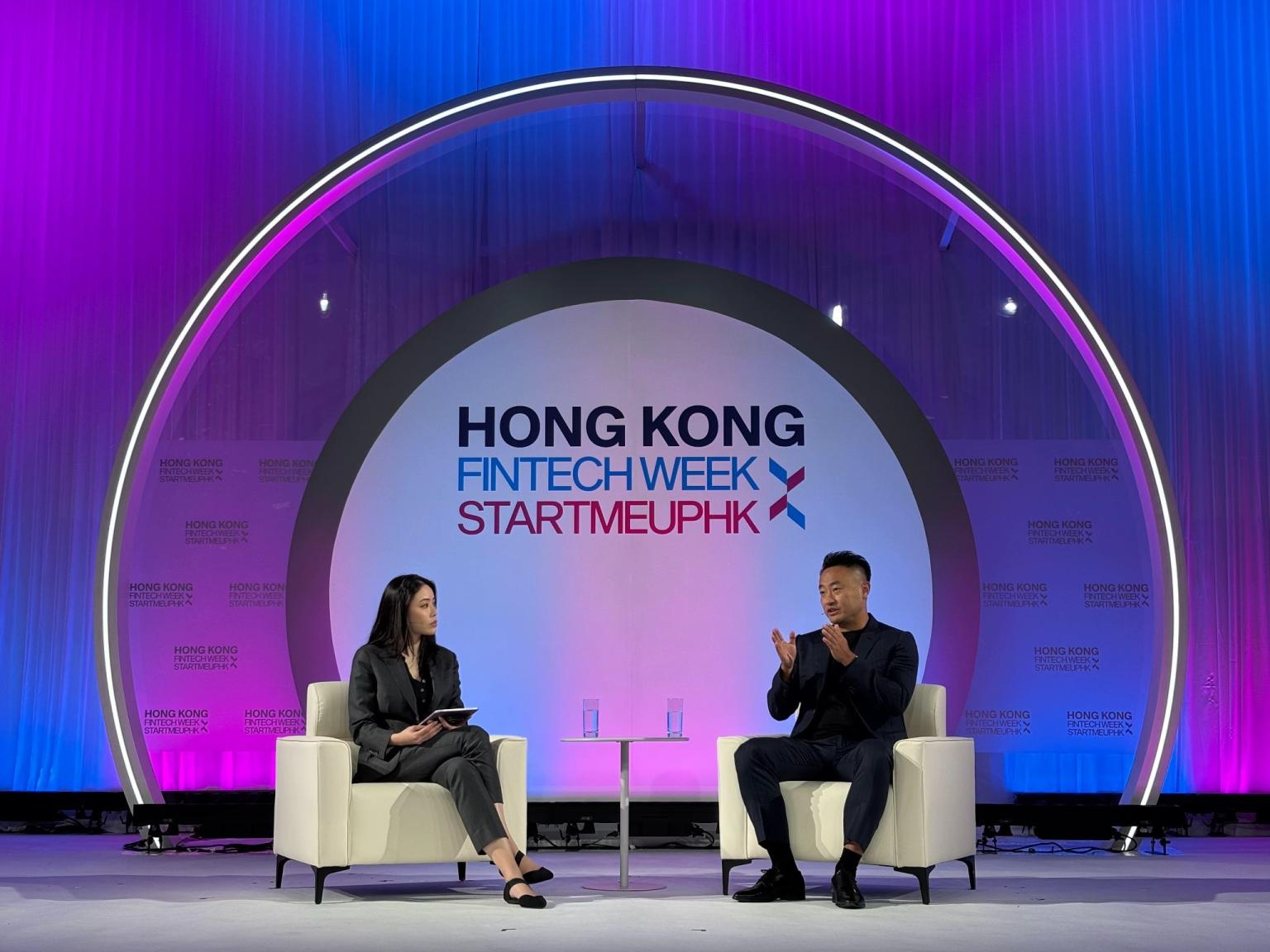
Bybit, the New Financial Platform trusted by more than 80 million users worldwide, joined global finance and technology leaders at Hong Kong FinTech Week 2026. The annual gathering convenes regulators, financial institutions and technology companies to examine how financial services are developing, and it has become a regular venue for discussion of Hong Kong's push to establish itself as a hub for digital finance. Bybit Co-founder and CEO Ben Zhou shared his perspectives on how artificial intelligence (AI), asset tokenization and connected financial infrastructure are reshaping financial services and bringing traditional and digital markets closer together.
Speaking at the main-stage fireside chat, “Bridging the Divide: The Next Chapter of TradFi & Crypto Convergence,” Zhou discussed how financial services are evolving as users seek more integrated access to digital assets, traditional markets, payments and savings. He said AI, tokenization and increasingly interconnected infrastructure are creating opportunities to improve efficiency, broaden market access and connect different asset classes and financial services.
Zhou emphasized, however, that greater access and efficiency must go hand in hand with security, risk management and regulatory compliance. As financial services become more interconnected and technology-driven, these safeguards are essential to building a resilient financial ecosystem and maintaining the confidence of users and market participants, he said. The point carries particular weight in Hong Kong, which has brought digital asset activity under formal oversight in recent years, including a licensing regime for virtual asset trading platforms run by the Securities and Futures Commission.
An Integrated Future for Financial Services
According to Zhou, the next stage of finance is not about traditional finance and crypto replacing one another, but about making them work together. AI, asset tokenization and connected financial infrastructure can help users access a wider range of markets and services more efficiently.
Connecting more assets and markets is only part of the task, he added. Platforms must build security, risk management and compliance into their infrastructure as they expand beyond trading to serve broader financial needs. Zhou also said confidence in the crypto market is growing as it develops over the long term, with liquidity remaining important to its continued progress.
He described Bybit's role as connecting these services securely and efficiently, with regulatory requirements and local accountability embedded in the systems that deliver them.
Zhou also examined AI's expanding role in financial services. As AI moves from providing information to initiating financial actions, platforms will need stronger permissions, better monitoring and more refined user controls, he said. How to govern AI that executes transactions rather than merely retrieving information has become an active question for platform builders and oversight bodies alike as agentic tools spread through financial services.
On tokenization, he noted that putting assets on-chain is only the starting point. Broader adoption requires clear investor rights, dependable custody and sufficient liquidity for markets to operate with confidence. Tokenization — representing traditional assets such as bonds or funds on blockchain networks — has moved beyond the concept stage, with financial institutions and market infrastructures running pilots in tokenized bonds and funds.
For readers tracking the convergence Zhou described, the observable markers over time are concrete: how licensing and custody standards evolve across jurisdictions, whether tokenized markets develop the investor protections and liquidity he outlined, and how platforms implement the permissions and monitoring that action-taking AI systems require.
Disclaimer: Bybit is not licensed by the Hong Kong Securities and Futures Commission, and its services are not available to the public in Hong Kong.
About Bybit
Bybit is The New Financial Platform. The company believes every person should have access to every financial opportunity on earth, and is building the first intelligent platform that connects anyone, anywhere to the world's finance. Trusted by more than 80 million users worldwide, Bybit brings together investing, trading, payments and wealth-building in a single secure and intelligent ecosystem. Through the combination of AI-powered technology, deep global liquidity, robust security and transparent operations, Bybit aims to make global finance more accessible, efficient and empowering for everyone.
For media inquiries, contact media@bybit.com or Tony Au, Head of PR, at tony.au@bybit.com.
Source: Blocktelegraph

