Vitalik Buterin Welcomes Signal's Phone-Number-Free Registration, Calls Pseudonymity 'Dead' in 2026
Key Takeaways
- •Vitalik Buterin praised Signal's plan to introduce a phone-number-free registration option, expected to be called "Signal Login."
- •The new optional feature will require a one-time payment to deter spam and support the non-profit's operations.
- •Buterin noted that removing phone requirements reduces risks of SIM-swapping and government censorship but does not achieve full anonymity.
- •He argued that pseudonymity is no longer effective in 2026 because AI can analyze metadata to reveal user identities.
- •Buterin highlighted that Signal's planned payment mechanism currently lacks cryptocurrency options, which would have offered additional financial privacy.
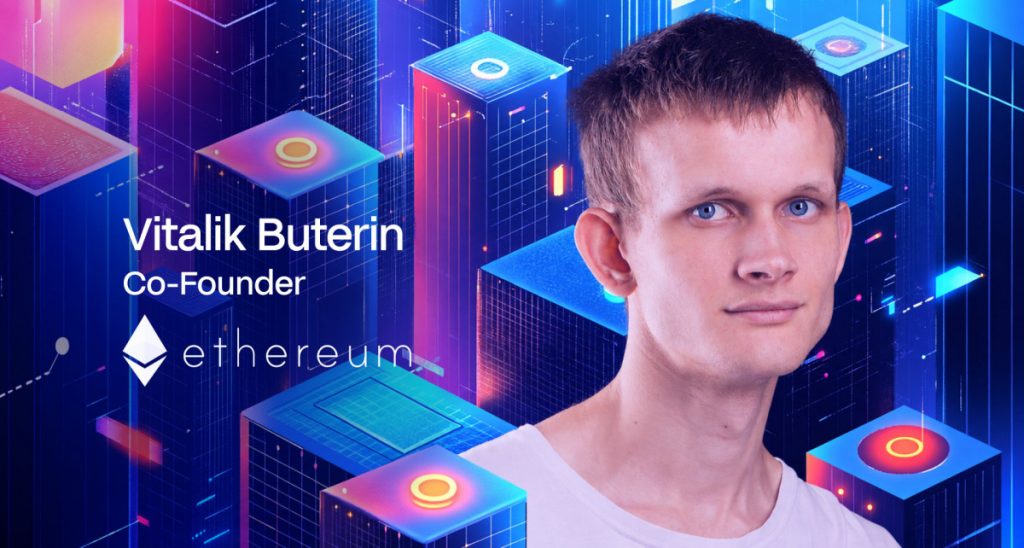
Ethereum co-founder Vitalik Buterin has publicly praised Signal's plan to allow user registration without a phone number, describing the move as a meaningful step away from what he called a "highly oligopolistic system of chokepoints." Signal, operated by the Signal Foundation, is widely regarded by security researchers and privacy advocates as the leading end-to-end encrypted messaging platform, used extensively by journalists, activists, and privacy-conscious individuals worldwide.
In a detailed post on X (formerly Twitter), Buterin outlined several benefits of separating the encrypted messaging platform from traditional telecom infrastructure. These include a notable reduction in identity theft risks associated with SIM-swapping attacks and a diminished capacity for governments to compel platforms to restrict user access based on nationality. Phone-number requirements have long been a point of criticism from privacy advocates, who note that they tie otherwise pseudonymous accounts to traceable telecom identities. Mainstream competitors including WhatsApp and Telegram also mandate phone verification, making Signal's move a notable differentiator in the encrypted messaging landscape.
Signal confirmed earlier that it is exploring alternative signup methods. Source code references suggest the upcoming feature, internally dubbed "Signal Login," will be optional and will require a one-time payment rather than a recurring subscription. The fee is intended to deter spam and abuse while helping fund the non-profit organization's ongoing operations.
While Buterin acknowledged that removing the phone number requirement represents a significant improvement, he cautioned that it does not, by itself, resolve the deeper privacy vulnerabilities present in modern digital communication.
Very welcome recent news from Signal: they are working on letting you register an account without a phone number. That said, an important counterpoint about what this would and would not accomplish. The good #1: reducing dependence on phone numbers.… — vitalik.eth (@VitalikButerin) August 7, 2026
The Limits of Pseudonymity in an Age of AI Inference
Buterin argued that pseudonymity—the practice of maintaining persistent accounts disconnected from real-world identities—has become a "dead concept" in 2026. Users continuously leak identifying metadata through message timing, contact graphs, communication frequency, and behavioural patterns, all of which sophisticated artificial intelligence systems can correlate and reconstruct.
To illustrate the spectrum of privacy protections, he presented a taxonomy ranging from complete exposure to ideal unlinkability. While Signal's end-to-end encryption already provides confidentiality by shielding message contents from third parties, genuine anonymity requires "message-by-message unlinkability," a standard in which no observer can determine sender-receiver pairs or even identify individual participants.
He identified mixnet-based architectures and newer protocols such as Session and SimpleX Chat as projects actively working toward this benchmark. However, he flagged spam and denial-of-service protection as the most critical unresolved challenge, drawing a parallel to the widespread blocking of Tor exit nodes by services attempting to mitigate abuse. He pointed to emerging cryptographic approaches designed to establish non-spammer credentials without sacrificing unlinkability.
Buterin concluded by urging the privacy community to treat phone-number-free registration as an important milestone rather than a final destination, and to continue advancing efforts to minimize data leakage. He also noted reports that Signal's planned payment mechanism currently lacks a cryptocurrency option, which could have otherwise provided users with an additional layer of financial privacy.

