Burnham will fail unless he changes course on net zero
Key Takeaways
- •Miatta Fahnbulleh, now Energy Secretary, previously called for Britain to reach net zero within 10 to 15 years.
- •Ofgem said the energy price cap for about 22 million households will rise 4% from October to £1,723 a year for a typical household.
- •The Prosperity Institute estimated that decarbonising Britain’s energy network could add £40bn a year to bills by the end of the decade, or more than £1,400 per household.
- •Prosperity Institute research said higher carbon costs have cut cement production to 72% of its 2007 peak while imports have risen 108%.
- •Civitas reported that UK industrial electricity prices last year averaged £238 per megawatt-hour, above Germany, France, India, the United States and China.
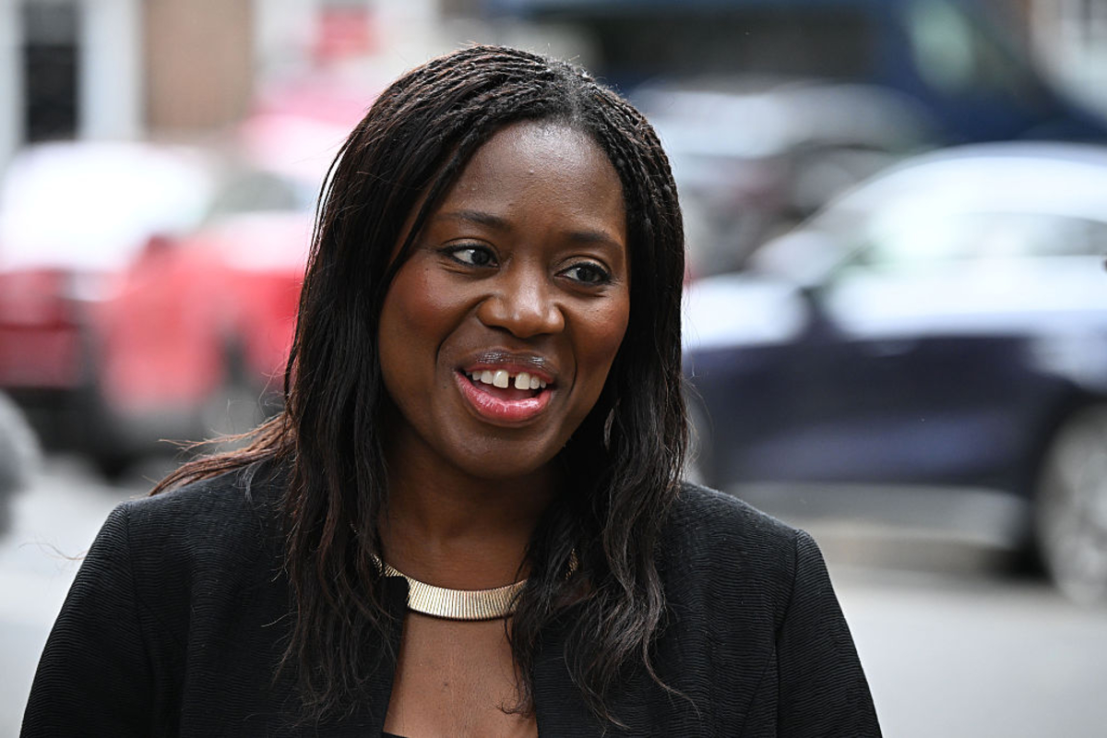
Andy Burnham cannot reindustrialise Britain, create jobs or drive down the cost of living while remaining committed to decarbonisation at any cost, Joseph Dinnage argues.
Burnham has promised a political revolution. Through his programme of devolution, the Prime Minister is expected to create new jobs, reindustrialise Britain and oversee new housing. That agenda is welcome, Dinnage writes, but it will not come close to success unless Burnham pivots on net zero, which has made all of these goals significantly more expensive. For voters and businesses hoping for a practical growth agenda, the question is not simply how ambitious the programme is, but whether its energy policy can support the industrial and housing expansion it seeks to deliver.
During his campaign, Burnham brought in Peckham MP Miatta Fahnbulleh to advise him on economics. Fahnbulleh, now Energy Secretary, was previously the head of the left-leaning New Economics Foundation think tank. Before she entered Parliament in 2024, she called in 2019 for Britain to achieve net zero “within 10 to 15 years”, an even more ambitious target than the government’s own goal at the time. She also described Ed Miliband as a “pragmatist”.
Last week, the Energy Secretary appeared in the media to discuss the announcement that energy bills are set to rise by 4 per cent from October. Ofgem, the regulator, said the new cap for about 22 million households would be equivalent to £1,723 a year for a typical household’s gas and electricity use, up from £1,663 for the July to September period. Fahnbulleh reiterated her long-term commitment to “decoupling us from gas and global fossil fuel markets”, but said the market should be reformed so that it “ultimately works for consumers”. Rising household bills remain a sensitive issue for any government pledging to improve living standards, especially when energy costs feed into broader inflation pressures for homes and businesses alike.
Net zero costs £1,400 per household
Dinnage says the Prosperity Institute has long argued that the move towards net zero has made the situation worse. The institute said last month that plans to decarbonise Britain’s energy network would add £40bn a year to energy bills by the end of the decade, equal to more than £1,400 per household.
He also says net zero is a barrier to Burnham’s promised manufacturing revival. Prosperity Institute research published at the end of last year found that higher carbon costs have reduced cement production to 72 per cent of its 2007 peak, while imports have risen 108 per cent. The institute said this had helped push cement prices 15 per cent above inflation between 2015 and 2024. Those figures are relevant to the wider industrial policy debate because cement is a basic input for infrastructure and housebuilding, both of which sit at the centre of Burnham’s economic promise.
This week, Civitas published research on the impact of net zero. The report said Britain had made some of the fastest progress in decarbonising its electricity system, but also faced the highest industrial power prices for more than a decade among major manufacturing economies. It said industrial users in the UK paid an average of £238 per megawatt-hour for electricity last year, compared with £138 in Germany, £112 in France, £73 in India, £65 in the United States and £44 in China.
Dinnage says the evidence is clear, and that Burnham and Fahnbulleh are at a crossroads. With debate continuing inside the Labour Party over whether to grant permission for two new oil and gas fields, Rosebank in the North Atlantic and Jackdaw in the North Sea, he argues the government has an opportunity to break with the past.
Burnham, whom Dinnage says often portrays himself as a man of the people, now has a chance to prove it. He says moral grandstanding on the issue by figures in both the Conservatives and Labour has cost workers and businesses dearly, while having little or no impact on global temperatures. Cheap and abundant energy, he writes, is the foundation of national prosperity, and any administration serious about that goal should ignore “the dinner party set” and prioritise working people.
Joseph Dinnage is senior press officer at the Prosperity Institute.

