Burnham Says He Was ‘Very Aware’ of Healey’s £9bn Defence Spending Demand
Key Takeaways
- •Burnham said his first priority is to ensure the Defence Investment Plan is fully funded.
- •Healey has called for defence spending to rise to three per cent of GDP by 2030, equal to about £9bn extra annually.
- •The government faces additional fiscal pressures from energy costs, higher bond yields, a doctors’ pay settlement and a £4.7bn defence funding shortfall.
- •Burnham is expected to announce further policies on devolution, social care and young people not in education, employment or training.
- •Burnham said he will not call an early general election.
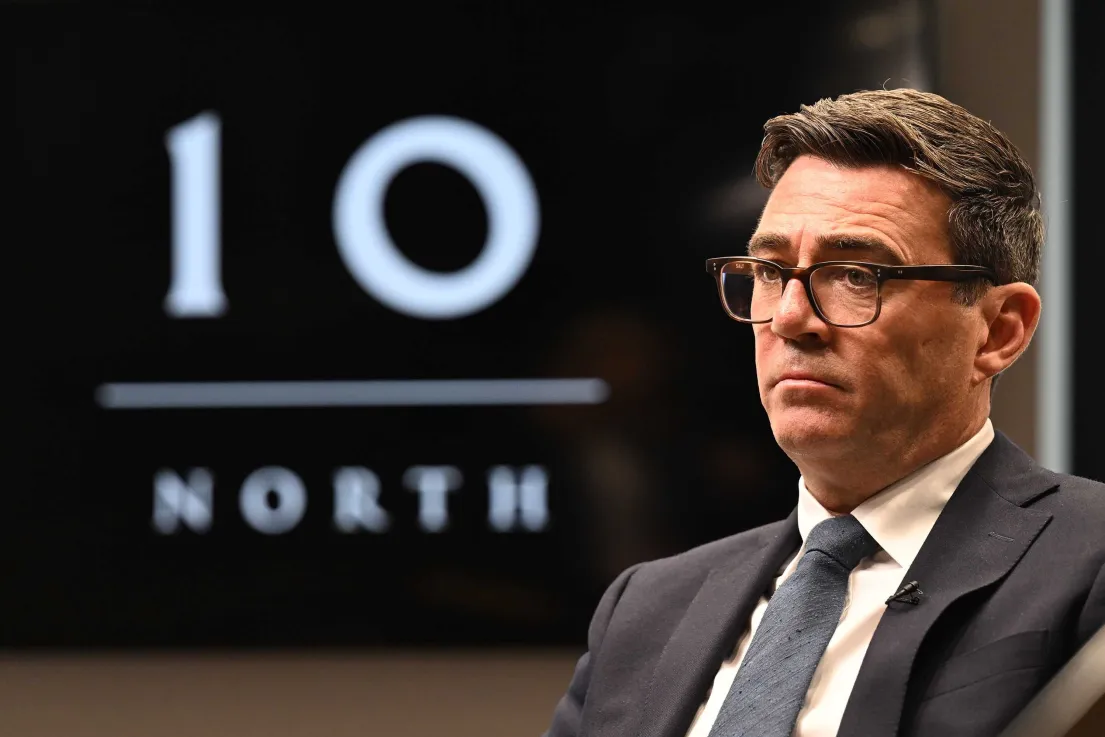
Andy Burnham said he was “very aware” of John Healey’s demand for at least £9bn in additional annual defence spending when he appointed him as Chancellor.
In an interview with the BBC, the Prime Minister said his “first challenge” would be to ensure that Sir Keir Starmer’s Defence Investment Plan (Dip) was “fully funded”. The plan has become an early test of how Burnham intends to balance defence commitments with wider spending pledges, because any move to lift the defence budget would have to be set against other pressures already facing the Treasury.
However, when asked directly about Healey’s call to lift defence spending to three per cent of GDP by 2030, Burnham declined to commit to an immediate increase in spending.
“I appointed my new Chancellor [while] very aware of what he had said about the critical importance of defence spending,” Burnham said.
“I am absolutely committed to what we’ve promised our NATO partners, and that is my commitment.”
Healey resigned from Starmer’s government after failing to secure further funding for the Dip. The former defence secretary criticised Starmer and former Chancellor Rachel Reeves, saying they had been “unwilling” and “unable” to provide the military with a substantial injection of cash.
He specifically attacked the government’s failure to commit to raising defence spending to three per cent of GDP by 2030, a move that would amount to an extra £9bn a year being spent on national security.
Burnham rules out early general election
Burnham has already set out a series of major pledges, including commitments on cutting energy prices and ending rough sleeping. He has also inherited significant spending pressures from Starmer, including the need to fund a doctors’ pay settlement and cover a £4.7bn shortfall in Dip funding over four years.
Those commitments are expected to make Healey’s Budget this year more difficult, with the public finances facing pressure from the latest energy price shock, which is pushing up bond yields and weighing on UK economic growth. Higher borrowing costs can limit the room available for new spending commitments, making the timing and funding of any defence increase politically and fiscally sensitive.
Burnham is also expected to announce further major policies on devolution and social care in the coming days, potentially adding further complexity to the fiscal outlook.
According to The Sunday Times, mayors could be offered additional revenue from income taxes to spend on local investment. However, this would not extend to devolved tax powers beyond what has already been announced in relation to overnight stay levies.
Further announcements are expected on young people not in education, employment or training, known as Neets, as well as on social care. Speculation suggests Burnham could move to make social care free at the point of use, a policy that could cost £18.5bn a year.
In the BBC interview, which is due to be aired in full on Monday night, the new Prime Minister also ruled out calling a snap election to strengthen his political mandate.
“There’s no early general election. I don’t think people want it,” he said.

