Bukele Denies El Salvador Moved Its Strategic Bitcoin Reserves
Key Takeaways
- •President Bukele denied that El Salvador moved Bitcoin from its strategic national reserves.
- •Bukele clarified that the transaction involved only shares in Chivo, the state-backed Bitcoin wallet platform.
- •El Salvador adopted Bitcoin as legal tender in 2021, making its government holdings closely tracked by observers and analytics firms.
- •Bukele's original post did not disclose details such as the number of Chivo shares, the recipient, or the circumstances of the transfer.
- •Whether the initial reports are fully resolved depends on whether further details about the share transfer emerge.
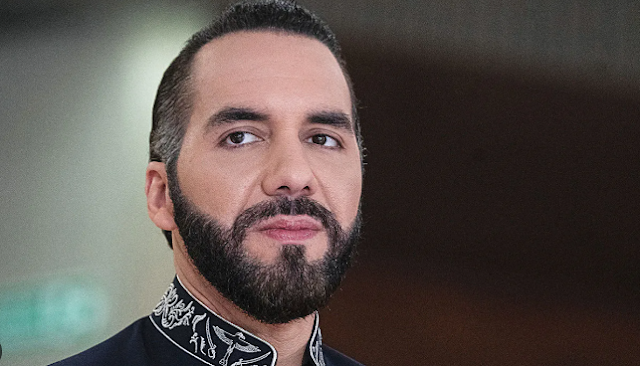
President Nayib Bukele has pushed back on reports claiming that El Salvador moved Bitcoin connected to its national reserves. In a post on X, reported by Cointelegraph, Bukele rejected that interpretation and clarified that only shares in Chivo had been transferred.
Bukele Clarifies the Transfer
The distinction matters because El Salvador's Bitcoin holdings have become a closely watched element of the country's economic policy since the government adopted Bitcoin as legal tender in 2021. Chivo is the state-backed Bitcoin wallet platform launched alongside that policy, so transactions tied to the company can easily be conflated with movements of the government's own cryptocurrency holdings.
According to Cointelegraph, Bukele said the transaction did not involve the government's strategic Bitcoin reserves. Instead, he identified Chivo shares as the assets that were moved.
The clarification directly challenges claims that the government had altered the custody or ownership of its strategic Bitcoin holdings. The original X post did not provide additional details about the number of Chivo shares involved, the recipient of the shares, or the circumstances surrounding the transfer.
Strategic Bitcoin Reserves Remain at the Center of Attention
El Salvador's Bitcoin strategy has drawn international attention because the government has accumulated cryptocurrency as part of its broader policy toward Bitcoin and digital assets. The country's holdings are tracked publicly, and observers including blockchain analytics firms routinely flag on-chain movements connected to government wallets, which is how reports of a reserve transfer can surface before officials respond.
That makes any reported movement involving government-controlled Bitcoin particularly sensitive. A transfer of Bitcoin reserves would carry a different significance from a corporate or ownership transaction involving shares connected to Chivo, the wallet operator created to support the legal tender rollout.
Bukele's statement therefore narrows the scope of the reported transaction, with the president specifically distinguishing Chivo shares from the country's strategic Bitcoin reserves.
Details of the Chivo Transfer Remain Limited
While Cointelegraph reported Bukele's denial, the original post does not establish further details about the Chivo share transfer. It also does not indicate that El Salvador's strategic Bitcoin reserves were moved as part of the transaction.
The immediate issue, therefore, is whether the transfer of Chivo shares had been incorrectly interpreted as a movement of the government's Bitcoin holdings. Bukele's clarification places the two assets in separate categories and rejects the claim that the strategic reserves themselves were transferred.
For now, the key distinction remains the one outlined by Bukele: Chivo shares were transferred, while he denied that El Salvador's strategic Bitcoin reserves were moved. Whether further details about the share transfer — such as its size or recipient — emerge will determine whether the initial reports are fully resolved.
