BRICS New Delhi Declaration Sets Out Plans for Local-Currency Payments, Digital Sovereignty and AI Governance
Key Takeaways
- •The 140-paragraph New Delhi Declaration urges reform of the IMF and World Bank, including increased quota shares and voting power for Emerging Markets and Developing Economies.
- •The BRICS Payment Task Force has been mandated to accelerate work on cross-border messaging, payment-channel interoperability and trade settlements in member local currencies.
- •A newly announced BRICS Central Bank Hub will build capacity and run annual cybersecurity exercises to counter cross-border fraud and illicit virtual asset flows in the financial sector.
- •The declaration calls for sovereign, self-reliant digital public infrastructure and globally interoperable common rules and standards for technology supply chain security.
- •BRICS committed to implementing a shared statement on the Global Governance of Artificial Intelligence and called for broader access to AI resources and computing capacity for developing countries.
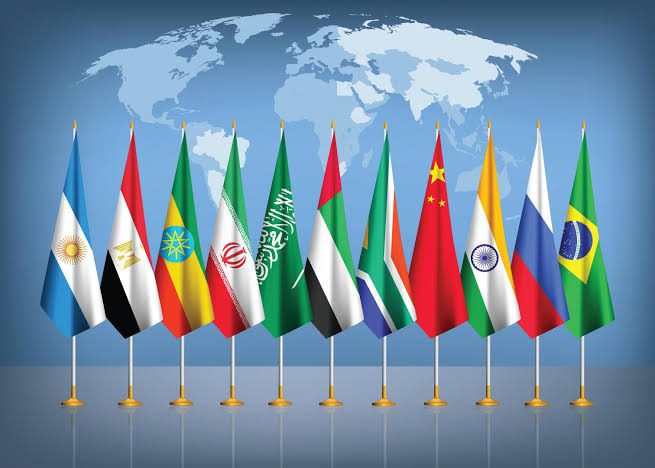
The expanded BRICS bloc used its 18th Summit in India to outline a broader agenda for financial independence, digital sovereignty and a greater role for the Global South in artificial intelligence governance. The resulting New Delhi Declaration addresses reforms to the global financial system, cross-border payments, digital crime, technology supply chains and access to AI resources.
The 140-paragraph declaration calls for reform of the International Monetary Fund and the World Bank, including increased quota shares and voting power for Emerging Markets and Developing Economies. Alongside seeking greater influence within existing institutions, BRICS is advancing infrastructure intended to support more direct cooperation among member states.
The BRICS Payment Task Force has been mandated to accelerate work on cross-border messaging, payment-channel interoperability and trade settlements in BRICS local currencies. The declaration strongly condemned unilateral economic sanctions. The proposed payment cooperation would give emerging markets a framework for conducting more trade without relying exclusively on the US dollar or financial channels controlled by Western institutions.
The declaration also addressed risks associated with the digitisation of finance. It specifically highlighted cross-border fraud and scam compounds operating across emerging markets, while calling for action against a range of illicit financial activities.
“We express our concerns about illicit financial flows, including financing of terrorism, trafficking of firearms, trafficking in persons, the laundering of drug-related crime proceeds, use of ICTs for criminal purposes, illegal virtual asset flows, corruption and circumvention of domestic regulatory frameworks,” the joint statement read.
The reference to illegal virtual asset flows places cryptocurrency within the declaration’s wider financial-crime and regulatory framework. The position combines support for payment systems that can reduce dependence on traditional fiat channels with an emphasis on restricting the movement of digital assets that governments consider illicit or harmful to national monetary policies.
To strengthen its response, the bloc announced the establishment of a BRICS Central Bank Hub. The hub is intended to build capacity and organise annual cybersecurity exercises, with the stated goal of protecting the financial sector and developing safeguards that operate across borders.
“We encourage enhanced cooperation in strengthening digital financial security, including prevention of fraud in cross-border payment systems,” the document stated. The declaration presents this cooperation as a way for emerging economies to share financial intelligence more directly rather than depending entirely on Western intermediaries.
Beyond payments and financial security, the New Delhi Declaration sets out a technology agenda centred on digital sovereignty. BRICS identifies robust Digital Public Infrastructure as an important foundation for expanding social and economic opportunities, improving service delivery and supporting sustainable growth. It also stresses that the hardware, software and broader ecosystems supporting that infrastructure should be secure and self-reliant.
“We recognise that digital and ICT ecosystems are a critical foundation for economic development, social inclusion, improved service delivery, sustainable growth, resilience and innovation and emphasise deepening BRICS cooperation towards a sovereign and self-reliant digital ecosystem,” the declaration noted.
The bloc’s position extends to the supply chains used to produce critical technology components. Against a backdrop of geopolitical tensions affecting access to semiconductors and telecommunications equipment, BRICS called for common standards and a more balanced approach to the security and development of information and communications technology products and systems.
“We call for a comprehensive, balanced, and objective approach to the development and security of ICT products and systems as well as for the development and implementation of globally interoperable common rules and standards for supply chain security,” the leaders stated.
Artificial intelligence is another central part of the 2026 declaration. BRICS committed to implementing a shared statement on the Global Governance of Artificial Intelligence and raised concerns that AI systems trained predominantly on Western data could reproduce cultural and economic biases affecting developing countries.
The declaration also warned that AI training models could misappropriate or misrepresent cultural knowledge and heritage belonging to communities that are inadequately represented in global datasets. The leaders called for broader access to AI resources and computing capacity so that the technology can contribute to a just, fair, equitable and prosperous future for all countries.
BRICS further backed cooperation on Industry 4.0, smart factories and the adoption of AI by small and medium enterprises. The new BRICS CONNECT platform, which is intended to map digital skills, reflects an effort to develop a workforce able to create and operate domestic AI capabilities rather than relying only on licensed systems developed abroad.
The declaration’s next steps are therefore centred on implementation of these workstreams: the Payment Task Force’s interoperability work, the Central Bank Hub’s cybersecurity exercises, the BRICS CONNECT skills mapping platform and the shared AI governance statement. The document sets out these mechanisms and objectives, while their practical effect will depend on how member states develop common standards, coordinate institutions and expand access to the required financial and computing infrastructure.
The New Delhi Declaration therefore combines proposals for local-currency settlements and cross-border payment interoperability with measures addressing financial crime, cybersecurity and virtual asset flows. It also links digital public infrastructure to secure supply chains, wider AI access and cooperation on governance. Through these measures, the expanded bloc is seeking a larger role in shaping the financial and technology arrangements that govern interactions among emerging economies.
The official BRICS New Delhi Declaration is available from India’s Ministry of External Affairs. Related background is available in TechNext24’s explainer on BRICS, digital currency and Africa.

