DOJ Exodus Continues: Civil Division Head Brett Shumate Resigns After Midterm Losses
Key Takeaways
- •Brett Shumate, head of the Justice Department's Civil Division, resigned on Monday, joining a wave of senior departures following midterm elections in which the GOP suffered heavy losses.
- •Under his leadership, the Civil Division litigated against sanctuary policies, secured settlements ending corporate DEI practices, and shuttered dozens of clinics providing gender-affirming care to minors.
- •Shumate defended the administration's denaturalization effort against 40 naturalized Americans, which Attorney General Todd Blanche described as the largest such effort in modern history.
- •The Civil Division has faced staffing shortages since Trump's reelection, offering signing bonuses as high as $25,000 to attract new personnel.
- •Any permanent successor to Shumate must clear Senate confirmation in the incoming Congress, where Democrats plan to take control in January and investigate the Trump administration.
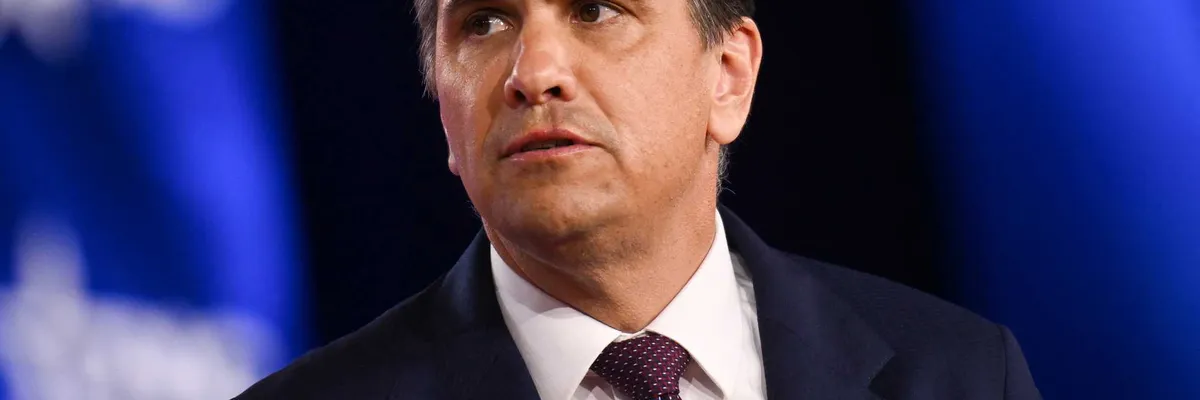
Brett Shumate, head of the Justice Department's Civil Division, resigned on Monday, becoming the latest in a string of Senate-confirmed department leaders to depart following last week's midterm elections, in which the GOP suffered heavy losses.
Attorney General Todd Blanche confirmed the departure in a statement on X, writing: "Today I accepted the resignation of Assistant Attorney General Brett Shumate of the Civil Division. Under his leadership, the Division pursued important affirmative litigation to challenge sanctuary policies and delivered key wins in lawsuits against local policies that endangered federal law enforcement. The Division also secured historic settlements to end illegal corporate DEI practices and shuttered dozens of clinics which were providing so-called 'gender affirming care' to minors. We are grateful for Brett's service at DOJ and wish him continued success."
A veteran of the Justice Department during Trump's first term, Shumate ran the Civil Division — the department's civil-litigation arm, which represents the federal government in court and defends administration policies when they are challenged — targeting local governments uncooperative with the administration's hard-line immigration stance, health care clinics serving transgender minors, and corporate diversity programs, according to Reuters. In court, he also defended Trump's move to strip citizenship from naturalized immigrants.
That effort intensified last month, when the department moved against 40 naturalized Americans in what Blanche described as the "largest denaturalization effort in modern history."
"Every single one of these individuals lied their way into U.S. citizenship," Shumate said at the time, according to The New Republic.
Shumate's portfolio extended beyond immigration. As NBC News reported, he defended the administration's push to give the U.S. Postal Service a role in overseeing mail-in ballots. He was also involved in the decision to allow planes carrying alleged Tren de Aragua members to land in El Salvador last year, despite a judge's order to the contrary.
The Civil Division, like other Justice Department units, has seen its ranks thin since Trump's reelection two years ago — even within the office tasked with defending the president's policies in court. In recent months, the division under Shumate has offered signing bonuses as high as $25,000 in an effort to attract new personnel.
What prompted Shumate to resign remains unclear. He joins a group of senior officials who have moved on of late, including Harmeet Dhillon of the Civil Rights Division, John Eisenberg of National Security, and U.S. attorney Jason Reding Quiñones, who oversaw probes into past criminal investigations of Trump.
The wave of exits comes as Democrats prepare to take over Congress in January, with plans to investigate Trump and his administration. Shumate's post is one of the department's Senate-confirmed roles, so any permanent successor will need to clear Senate confirmation in the incoming Congress. Attention now turns to who fills the job — and to how the division's active litigation, from the denaturalization effort to challenges against sanctuary policies, proceeds under new leadership.

