Oil Extends Losses After US, Qatar Signal Progress on Iran Draft Deal
Key Takeaways
- •ICE Brent crude returned to approximately $80 per barrel after comments from US and Qatari officials suggested progress toward a potential US-Iran diplomatic agreement.
- •Seven OPEC+ members agreed to raise collective output targets by 188,000 b/d in September, completing the phased unwinding of 1.65 million b/d in voluntary production cuts first announced in 2023.
- •Saudi Aramco reported a 33% year-over-year increase in second-quarter profit to $33.4 billion, with an average selling price of $108.10 per barrel.
- •Aramco CEO Amin Nasser warned that lost output since February totals 2.6 billion barrels, equivalent to one month of global crude production, and would require roughly 18 months to replenish.
- •ADNOC will abandon its futures-based IFAD Murban pricing mechanism and switch to Platts Dubai benchmarking for all grades starting November 1, responding to buyer demands amid Strait of Hormuz disruptions.
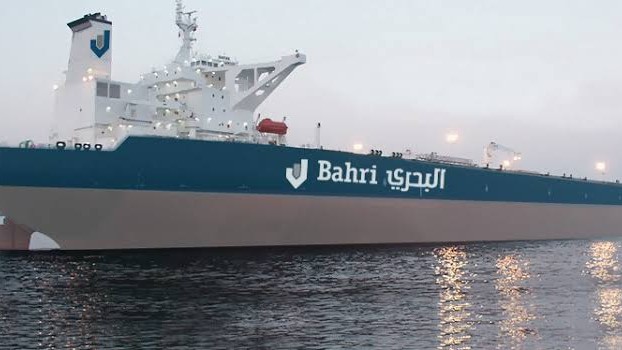
Brent crude fell back to around $80 per barrel after renewed optimism over a potential US-Iran draft agreement eased geopolitical fears, even as President Trump criticized US refiners for high fuel profits.
Trump Takes Aim at Big Oil's War Profits
Runaway second-quarter earnings at US oil majors have brought energy companies' bumper profits back into the political spotlight, with US President Trump ordering retailers to "get retail prices down" as soon as possible.
Trump accused ExxonMobil and Chevron of making too much money and told them to "give some of that money back to the public," while also criticizing them for not crediting his administration's efforts to support the oil industry.
Although ExxonMobil's oil production was affected by closures in the Middle East and Chevron continues to struggle with CPC closures in Kazakhstan — the Caspian Pipeline Consortium being the main export artery carrying Kazakh crude to the Black Sea — both companies have posted stellar refining margins since the onset of the war in March.
The 3-2-1 spread, the industry-standard benchmark that measures the value of two barrels of gasoline and one barrel of distillates from three barrels of crude, has doubled since early March to $60 per barrel, while crude prices are only up by $11 per barrel after this week's renewed diplomatic push.
Meanwhile, the average US gasoline pump price has eased to $4.08 per gallon as of August 4, up 30% from a year earlier.
Market Movers
-
UK-based energy giant Shell (LON:SHEL) has agreed to sell its European onshore renewables portfolio to TotalEnergies (NYSE:TTE) for an undisclosed sum. The package includes 0.5 GW of assets in operation and a 3.5 GW pipeline of projects.
-
UK oil major BP (NYSE:BP) has completed the sale of its Gelsenkirchen refinery in Germany to investment firm Klesch Group, leaving it with five operational refineries: two in the US and three in Europe.
-
Azerbaijan's state oil company SOCAR has bought out the 3.65% operating interest held by Japanese trading company Itochu (TYO:8001) in the Azeri-Chirag-Guneshli (ACG) offshore field, marking the fourth exit from the project.
-
Nigeria's Dangote oil refinery — Africa's largest with a nameplate capacity of 650,000 b/d — is reportedly preparing to launch its initial public offering in October. The listing is believed to be Africa's largest ever, with owner Aliko Dangote urging regional capital markets to participate.
Crude oil prices have been under pressure this week after comments from US Treasury Secretary Scott Bessent and Qatar's Foreign Ministry about a potential draft agreement raised hopes for a diplomatic resolution to the US-Iran conflict. ICE Brent has returned to $80 per barrel, even as President Trump lashed out at US refiners for making "too much money."
OPEC+ to Complete Voluntary Production Cuts
Seven remaining OPEC+ member countries have agreed to raise their collective output targets by 188,000 b/d in September, completing the phased unwinding of 1.65 million b/d in voluntary production cuts first announced in 2023, at least on paper.
Hormuz Shut or Not, Saudi Budget Gets Its Money
Saudi national oil company Saudi Aramco (TADAWUL:2222) reported a 33% jump in second-quarter profit to $33.4 billion, as higher oil prices softened the impact of lower production. Aramco's average selling price per barrel reached $108.10.
ADNOC Ditches Own Futures for Dubai Pricing
From November 1, Abu Dhabi's state oil company ADNOC will price all of its grades against Platts Dubai, abandoning its futures-based IFAD Murban mechanism after buyers began demanding faster pricing amid disruptions in the Strait of Hormuz — the chokepoint through which roughly a fifth of global daily oil consumption normally transits.
Pemex Takes Its Time with Leaking Gas Well
Mexico's state oil company PEMEX has closed its Krem-1 exploratory well about five months after an accident triggered a fire and flaring that may have burned 300 million cubic meters of gas. Environmental monitoring is still underway.
Iran and Oman Map Out New Hormuz Route
Tehran says it has discussed with Omani officials the creation of a single shipping corridor through the Strait of Hormuz with separate entry and exit lanes, a description that could contradict earlier media reports suggesting Iran had rejected the idea.
Brazil's Hottest Exploration Well Delayed
Brazil's state oil firm Petrobras (NYSE:PBR) said it will not finish drilling the Morpho well in the Foz do Amazonas basin until September, later than its original May deadline. The project could open access to a new 30-billion-barrel untapped oil frontier.
Indonesia Lifts Nickel Export Restrictions
Indonesia has resumed exports of minerals containing rare earth by-products after sellers complained that mandatory testing was delaying key nickel shipments. The three-month LME nickel contract immediately fell to $17,000 per metric tonne.
Panama Canal Auctions Break VLGC Economics
With both the Suez Canal and the Strait of Hormuz disrupted, average Neopanamax slot-auction costs in the Panama Canal have surged to a record $2.5 million, with some bids reaching $3.8 million. The higher costs have undermined US Gulf Coast-to-Asia arbitrage for LPG.
Russia's Oil Exports Dip on Higher Refinery Runs
Russia's weekly seaborne crude exports fell below 4 million b/d for the first time in six weeks, coming in at 3.9 million b/d. The decline came as a relative lull in Ukrainian drone strikes on refineries allowed throughput to rebound to 4 million b/d.
Iraq and Turkey Eye Pipeline Capacity Expansion
Iraq and Turkey have formalized a one-year agreement to keep crude exports flowing through the Kirkuk-Ceyhan pipeline, which carries Iraqi crude to the Mediterranean. The deal provides for export flows to rise fourfold to 750,000 b/d.
Syria Agrees to Slash Russian Crude Imports
The al Julani-led Syrian government has agreed to sharply reduce its imports of Russian crude, which have averaged about 60,000 b/d in 2026 to date. The move comes amid Damascus' ongoing discussions with the Trump administration over lifting remaining sanctions.
Hormuz Transits Plunge to Two-Month Low
Traffic through the Strait of Hormuz has dropped to its lowest level since June after the Liberia-flagged dry bulk tanker Minoan Pioneer was targeted early Tuesday, leaving one seafarer missing and forcing the crew to abandon ship. The attack came two days after a VLCC carrying Iraqi oil was hit.
Qatar Doesn't Give Up on Expansions
Contractors Chiyoda and Technip Energies have resumed construction of Qatar's 32 mtpa North Field East expansion. The first train is undergoing commissioning and the second has been completed, with traders expecting first volumes by summer 2027.
Iran War Drains Billions from Global Supply
Aramco CEO Amin Nasser warned that lost output since February now totals 2.6 billion barrels, equal to one month of global crude output. He said it would take 18 months to replenish that volume at an average rate of 2.1 million b/d, even if the Strait of Hormuz reopened immediately.
By Tom Kool for Oilprice.com
More Top Reads From Oilprice.com
- Pakistan Partners with Canadian Firm to Boost Domestic Heavy Crude Output
- Hormuz Tanker Traffic Stalls at Two-Month Low as Attacks Escalate
- India's HPCL Snaps Up Nigerian Crude To Dodge The Hormuz Bottleneck

