Brent crude falls 11% to $85.87 after US-Iran ceasefire as crypto markets react
Key Takeaways
- •Brent crude suffered one of its steepest one-day declines in recent memory after the ceasefire announcement.
- •The Strait of Hormuz remains a key concern because it carries about one-fifth of global daily oil consumption.
- •Bitcoin rose and fell alongside shifts in geopolitical tensions, suggesting it has acted more like a risk barometer than a hedge.
- •The United States sanctioned Iran-linked crypto wallets in July 2026, and Tether froze $131 million in USDT.
- •A sustained move by Brent into the mid-$85 range could ease inflation pressure and widen the Federal Reserve’s policy room.
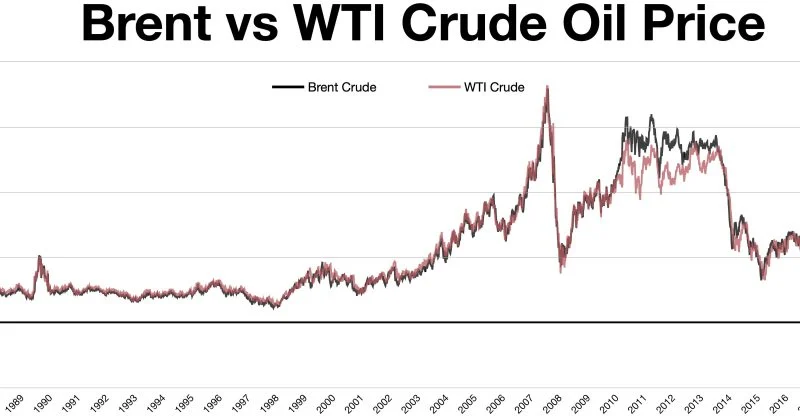
Brent crude recorded one of its sharpest single-session declines in recent memory, falling as much as 11% to about $85-$87 per barrel. The trigger was President Trump’s announcement that Washington had halted strikes against Iran at Tehran’s request, effectively creating a ceasefire that markets had been hoping for, but not necessarily expecting so quickly.
Why oil fell sharply
The backdrop to the move had been developing for months. From May through July 2026, repeated escalations between the US and Iran kept energy traders cautious and supported Brent crude prices on fears of supply disruption.
The Strait of Hormuz, which handles roughly one-fifth of the world’s daily oil consumption, is central to the market’s concern. When tensions rise between the two countries with the most influence over that chokepoint, oil traders tend to price in a higher geopolitical risk premium.
Trump’s statement that Iran had requested the pause in hostilities changed that calculus quickly. A reported 60-day ceasefire extension between May and July gave markets enough confidence to begin unwinding the premium that had been built into crude prices over recent weeks.
For energy markets, that matters because the price reaction reflects not only the ceasefire itself, but also how quickly traders reassess shipping risk, supply interruption fears, and the short-term need to hold a geopolitical buffer in crude.
The crypto connection
The relationship between the oil dispute and digital assets has become more direct. Bitcoin approached $72,000 in early April 2026 when initial ceasefire reactions reached the market, and it has stabilized around $65,000 during the July pause in hostilities.
In July 2026, the US sanctioned Iran’s central bank-linked crypto wallets, prompting Tether to freeze $131 million in USDT. Washington is increasingly using crypto rails as part of its sanctions enforcement toolkit, linking oil geopolitics and digital asset operations more closely than before.
That link also helps explain why crypto traders have been watching the same headlines as oil desks: sanctions, wallet freezes, and ceasefire developments can all affect how assets move across borders and how easily dollars or dollar proxies are settled in practice.
Implications for markets
Lower oil prices typically reduce inflationary pressure. If Brent remains in the mid-$85s instead of moving back toward $100 or higher, the Federal Reserve has more room to consider rate adjustments.
However, the ceasefire framework remains limited. The May-to-July period included multiple escalations followed by pauses, and a 60-day extension does not resolve the underlying disputes between Washington and Tehran.
If sanctions enforcement continues to target crypto wallets connected to Iranian entities, it could also create liquidity disruptions in USDT markets, especially in regions where Tether functions as a de facto dollar substitute.
Bitcoin’s behavior during this period suggests it has been acting as a barometer for geopolitical risk appetite rather than a hedge against it. When tensions rise, Bitcoin has tended to fall alongside other risk assets. When tensions ease, it has rebounded.

