Brand Trust Outranks Fees for 46.7% of Crypto Users, Paybis CEO Says Licensing Transparency Is Key
Key Takeaways
- •Paybis research found brand trust was the top platform-selection factor, chosen by 46.7% of respondents, compared with 21.7% for fees and 17.7% for transaction speed.
- •Paybis holds a MiCA crypto-asset services license and a PSD2 payment institution license in Latvia, supporting its crypto and regulated payment operations.
- •B2B customers represented 96.9% of Paybis stablecoin volume in 2025 and 97.8% in the first four months of 2026, although Isers said activity recovery has outpaced trust recovery.
- •Seven in 10 European users surveyed by Paybis reportedly do not know whether their exchange is legally authorized to operate.
- •Isers advocated showing the total fiat charge, crypto amount received and exchange rate before confirmation, with renewed approval required if the quote changes.
As crypto moves from a speculative asset toward everyday financial infrastructure, users are placing greater emphasis on reliability, transparency and accountability. People who once accepted friction during occasional trades increasingly expect standards associated with regulated financial services. When those standards fail, the consequences can be immediate and personal.
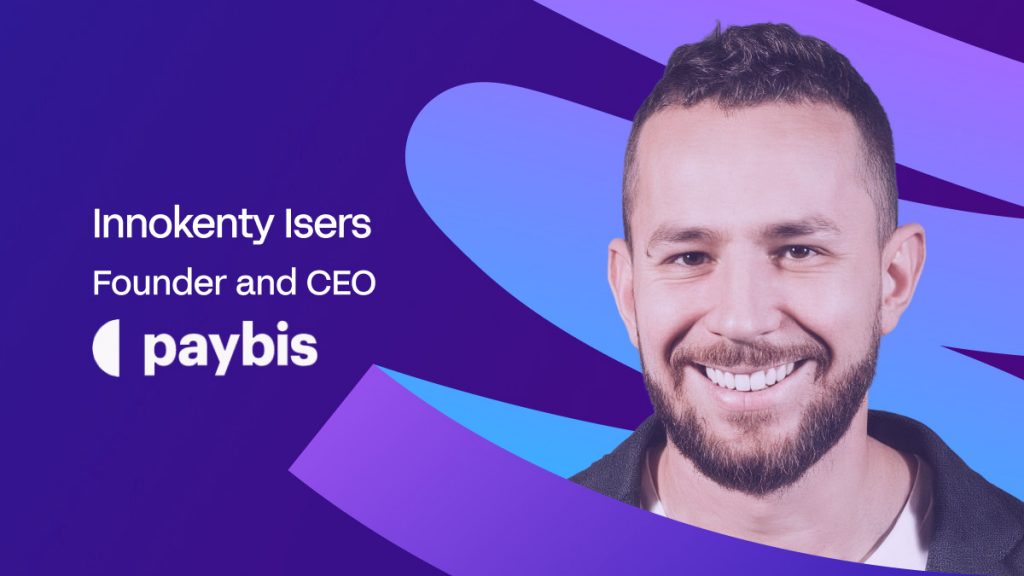
In an interview with Metaverse Post, Innokenty Isers, co-founder and CEO of Paybis, discussed how this shift is affecting platforms that operate across crypto and regulated payments. Paybis is a global crypto exchange serving more than seven million customers across more than 180 countries. Isers cited Paybis user research and operational data to explain why brand trust has overtaken fees and transaction speed as a leading factor in platform selection, what MiCA and PSD2 licensing require in practice, and why recovering activity after the FTX collapse does not necessarily mean trust has recovered at the same pace.
The discussion also covered fee transparency, hidden costs and the measures that could make upfront disclosure an industry standard. The original interview was published by Metaverse Post.
Trust becomes a primary platform requirement
As crypto becomes part of daily money management rather than an occasional investment, service failures have a more direct effect on users. A delayed transaction can hold up a payment, while an account review can restrict access to funds. In those situations, users expect the platform to explain what is happening and provide a realistic timeline.
Paybis asked a cross-section of its seven million customers across more than 180 countries what mattered most when choosing a crypto platform. Brand trust was selected by 46.7% of respondents, ahead of fees at 21.7% and transaction speed at 17.7% as individual factors.
Users continue to compare fees and transaction speeds, but those who rely on crypto more regularly also want to know who operates the service and whom they can contact if something goes wrong. According to the research cited by Isers, brand trust is now the single largest factor in platform choice, ahead of fees, speed and transparency considered individually.
Isers said platforms must make their regulatory status easy to verify and then demonstrate through their daily conduct that the relevant standards are being followed. Licensing gives users information they can check independently.
Paybis has secured both a MiCA crypto-asset services license and a PSD2 payment institution license in Latvia. Isers said obtaining the licenses required strong operational controls and clear accountability across the company, and that those requirements continue to shape how Paybis manages risk and makes decisions.
Independent reviews are another source of information for users. Isers said Paybis is one of the highest-rated crypto companies on Trustpilot, allowing customers to assess the company independently by reviewing how it responds to complaints and resolves problems over time.
Licensing and control of client assets
Major exchange collapses have repeatedly raised the question of who controls customer assets. Isers said the industry has made progress, particularly in Europe, where MiCA authorization goes further than earlier national virtual asset service provider, or VASP, registration regimes.
Under MiCA, firms must address who controls client assets and who owns risk within the company. They must also explain what happens after a compliance breach and demonstrate that their procedures are followed in practice. Isers said earlier VASP regimes were applied unevenly across Europe and did not always provide the same level of scrutiny.
However, users still need a clear answer from each provider. At Paybis, the MiCA license gives the company’s EU entity a regulated basis for crypto-asset services, while the payment institution license provides the regulated basis for stablecoin-related services. Together, the licenses enable Paybis to connect crypto services with regulated payment flows. Users should be able to verify that structure before depositing funds.
Regulation can require companies to answer important questions, but without those answers users cannot assess the risks before depositing funds. A license also marks the beginning of ongoing supervision rather than the end of a company’s obligations. Proof of reserves can provide evidence about reported holdings, but the broader test is whether a company continues operating under the same controls after approval and whether senior management remains accountable for risk.
Activity has recovered faster than trust
Following the FTX collapse, trust in the crypto sector fell sharply. Trading volumes have since recovered, institutions are entering the market and new users continue to arrive. Isers argued, however, that the recovery in activity should not be treated as proof that trust has been restored.
At Paybis, B2B customers accounted for 96.9% of stablecoin volume in 2025 and 97.8% during the first four months of 2026. Isers said that level of business activity shows how far crypto has moved into real payment operations, while user trust requires a much longer record of consistent performance, particularly when companies are responsible for holding customer assets.
Regulatory frameworks are continuing to develop as the market matures. MiCA is raising the standard in Europe, while the GENIUS Act forms part of the evolving regulatory framework in the United States. MiCA is also being reviewed to build out a framework covering stablecoins and additional financial services.
Isers said trust will be rebuilt through a longer record of consistent conduct under regulatory supervision. The tools for verification already exist: MiCA licenses are public and compliance status is recorded. Nevertheless, Paybis research indicates that seven in 10 European users do not know whether their exchange can legally operate.
Platforms have the primary responsibility for addressing that gap, Isers said. Companies should clearly state their legal entity, operating jurisdiction and license status. Users should be able to confirm those details through an official register without searching through terms and conditions, while regulators should make public databases easier to use.
Platforms should also place the same information inside their products and link directly to the relevant register. Licensing information should appear during sign-up and before a user deposits funds or makes a purchase. The official record should identify the licensed entity, the regulator and the services covered, allowing users to see exactly what the company is authorized to do.
The case for upfront fee disclosure
Nearly half of crypto users identify high fees as their primary frustration, while more than a quarter say fees are hidden or unclear. Isers said showing the full cost only late in the purchase process may initially be a design flaw. Once a platform knows users cannot see the full cost and leaves the process unchanged, however, the practice becomes a deliberate business decision.
Crypto pricing can include network charges, payment-provider costs and an exchange-rate spread. The final amount can also vary according to the payment method or blockchain being used. The central issue is whether the customer sees the effective price before committing to the transaction.
Isers said Paybis shows full fees upfront and continues to explore additional ways to improve fee transparency and clarity. He also said opacity can make a platform appear cheaper when a customer is deciding where to buy. A user may see an attractive initial price and discover the full cost later, potentially helping the platform secure one transaction while damaging the customer’s trust and contributing to wider distrust of the sector.
The disclosure standard should apply when a user decides whether to proceed. Before confirmation, a platform should show the total fiat amount to be charged, the amount of crypto the customer will receive and the crypto-to-fiat exchange rate used. If any of those figures change before execution, the platform should provide an updated quote and ask the customer to confirm it again.
Isers said upfront disclosure would become an industry standard if regulators defined the minimum information every provider must show and specified when it must appear during the purchase process. Platforms can adopt that format before such requirements are imposed.
Building trust with new users
New users are particularly vulnerable to unclear fees and confusing processes, even as platforms compete aggressively to acquire them. Trust concerns remain the primary barrier for people who have not yet entered the market.
Isers said the apparent contradiction comes from measuring acquisition too narrowly. A completed sign-up or first purchase does not necessarily mean a platform has earned a customer. New users need a predictable first experience and should understand who they are dealing with and which steps they will complete before a transaction is finalized.
The product should explain each step in plain language. Beginners should be able to follow a transaction and reach customer support without specialist knowledge. The more meaningful acquisition test is whether a customer returns after the first transaction. According to Isers, new users are more likely to return when the process is easy to follow and support is easy to reach.
