BP to Exit North Sea After Government Tax Raid, Ending Decades of UK Production
Key Takeaways
- •BP's sale of its North Sea oil division will end the company's domestic petrochemicals production in the UK for the first time in decades.
- •The UK government's Energy Profits Levy has raised the effective tax rate on North Sea oil and gas profits to 78%, one of the highest rates of any producing basin worldwide.
- •BP is targeting $20 billion in total divestments by the end of this year and has already sold its Castrol lubricant division as part of a broad restructuring.
- •The company recently ousted chair Albert Manifold after concerns about his behaviour, triggering a boardroom dispute even as BP's turnaround strategy delivered doubled first-quarter profits.
- •Other major international operators including Shell and Chevron have already been scaling back or exiting the North Sea due to declining output and an increasingly difficult policy environment.
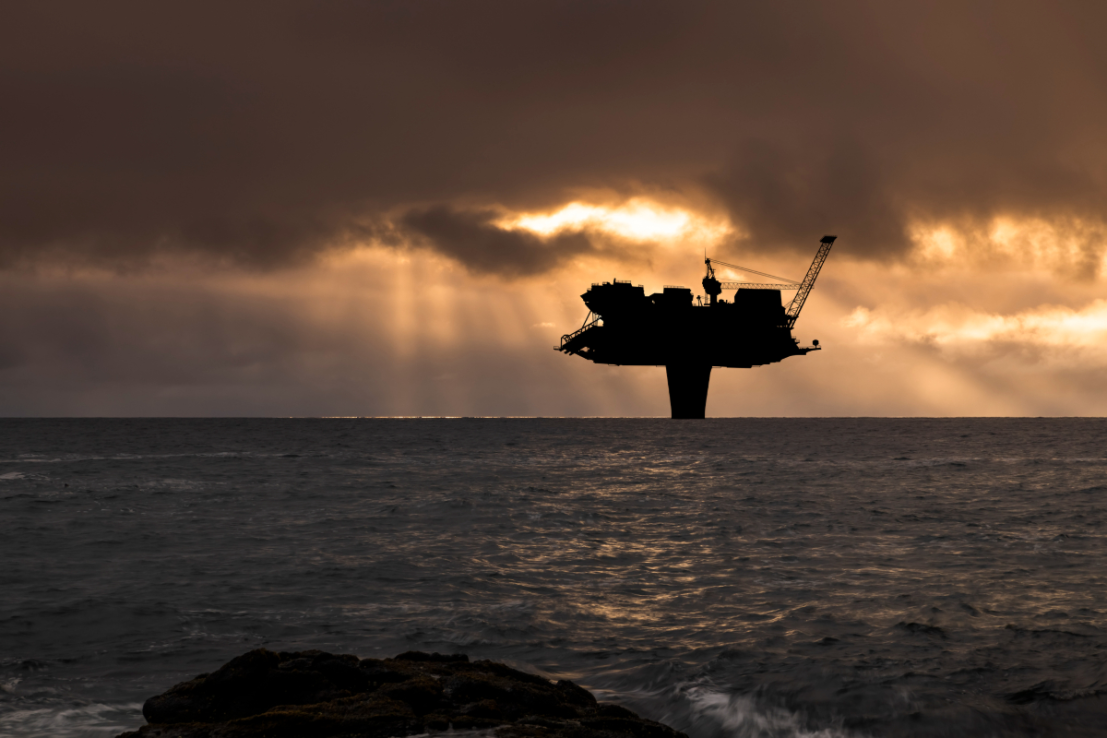
BP has announced it will sell its North Sea oil division following the government's tax increase on domestic oil production, a move that will leave the British energy giant without any petrochemicals production in its home market for the first time in decades.
The London-listed company told investors it plans to market its assets in the region as part of a major restructuring overseen by CEO Meg O'Neill. The overhaul will split BP into two divisions — upstream and downstream — and concentrate capital on the company's most profitable assets.
As part of the push, BP has already divested its lubricant division Castrol and a range of less productive gas assets, and is targeting $20bn (£14.9bn) in total divestments by the end of this year.
"The UK has been our home for more than 100 years and will continue to play an important role in our future," O'Neill said on Friday. "However, as we focus our portfolio and direct capital to our highest-value opportunities, we believe our North Sea business will be better positioned as part of another company."
BP Restructuring Gathers Steam
The decision follows months of speculation that BP's domestic oil arm would be caught up in the company's streamlining drive, given that the UK tax environment has made the North Sea one of the least financially attractive drilling regions in the world. The government's Energy Profits Levy has pushed the effective tax rate on North Sea oil and gas profits to 78% — among the highest of any producing basin globally.
BP is currently one of the largest operators in the North Sea, holding stakes in roughly 20 fields. Despite the windfall from higher energy prices driven by the Iran war, the area has become an increasingly difficult operating environment due to years of windfall taxes and a ban on new drilling. The basin's output has been in long-term decline since its late-1990s peak, and a succession of international operators — including Shell and Chevron — have already been scaling back or exiting the region.
"We're proud of the jobs we create, the contribution we make to the UK economy, and the work we do to keep energy flowing every day," O'Neill added. "It has world-class people, resilient assets and a proud heritage, and it is precisely these qualities that can attract an owner ready to back its next chapter. We are seeking an outcome that recognises that value."
The move comes at a turbulent time for BP, which recently ousted chair Albert Manifold after "serious concerns" about his behaviour were raised with the board. Manifold, who had held the role for only a year, was the architect of the energy major's simplification drive and had overseen the appointment of O'Neill to return the company to its legacy focus on petrochemical drilling and trading.
His dismissal took much of the Square Mile by surprise and triggered a boardroom dispute in which the former CRH boss denied bullying charges and accused BP's leadership of lying.
Despite the conflict, BP's turnaround strategy has begun to deliver results. The company doubled its profit in the first three months of this year, and analysts expect similarly positive figures when it reports half-year earnings next week, buoyed largely by the ongoing conflict in Iran.
Industry and Political Reactions
Russell Borthwick, chief executive of the Aberdeen and Grampian Chamber of Commerce, said BP's decision to leave the North Sea should be "a defining moment."
"How many more jobs need to be lost before the UK Government acts?" he said. "This decision is another stark reminder that confidence in the UK continental shelf has been badly shaken after years of policy uncertainty, punitive taxation and mixed messages about the future of the industry."
Keir Starmer's government banned all new oil and gas exploration in the North Sea as part of its flagship drive to become a "clean energy superpower." Andy Burnham, the Mayor of Greater Manchester, has since suggested he might partially overturn that decision and push through licences for the Jackdaw and Rosebank projects, which have been held up in the courts for years.

