Bolt Drivers in Port Harcourt Urge Review of Algorithm-Based Performance Rating Policies
Key Takeaways
- •Drivers in Port Harcourt say Bolt's algorithmic metrics for scores, acceptance rates and ratings penalize them for declining trips they could not fulfil for valid reasons.
- •The group warned that algorithm-driven account deactivation has pushed some affected drivers to hire other drivers' accounts to keep earning, and raised allegations of accounts being allocated through backdoor channels.
- •Among their demands, the drivers called for the freedom to accept or decline trips without unfair penalties and for ratings to reflect genuine service quality rather than circumstances beyond their control.
- •The drivers insisted that no one should lose their account without a transparent investigation and an opportunity to respond, and that punishment should not apply to inaccessible, unsafe or inaccurately mapped pickup points.
- •The group urged Bolt to ensure equal treatment across the platform and invest in better working conditions, with the company's response to the demands being the next development to watch in Nigeria's e-hailing sector.
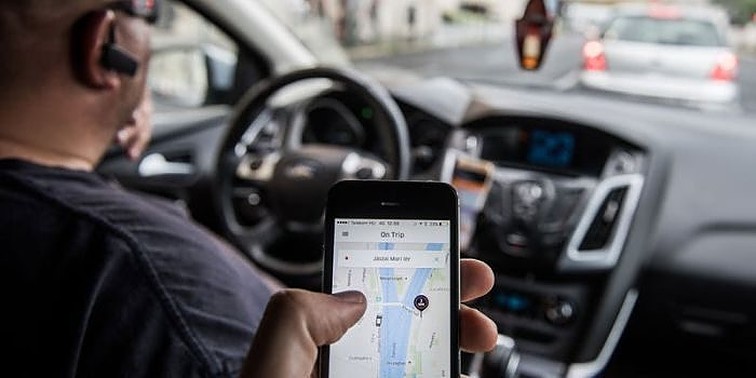
E-hailing drivers in Port Harcourt are calling on ride-hailing company Bolt to review its driver performance policies, arguing that the platform's largely algorithm-based rules fail to reflect the realities drivers face on the road.
Port Harcourt, the capital of Rivers State and one of Nigeria's largest cities, sits within the operating footprint of Bolt, an Estonia-founded mobility platform that has grown into one of the leading ride-hailing services across African and European markets. Like other e-hailing companies, it relies on automated metrics to manage a large driver network.
In a statement seen by Technext, the drivers said Bolt's metrics for determining driver scores, acceptance rates and overall ratings have become a major source of frustration for many of them. According to the group, the metrics also raise serious questions about fairness and driver independence, noting that the algorithm tends to penalize drivers for declining requests they could not fulfil for a variety of valid reasons. Acceptance rates, scores and ratings of this kind are standard performance inputs across the ride-hailing industry, and driver groups in other markets have raised comparable concerns about how such metrics are enforced.
"A driver should have the freedom to decide which trip to accept or decline. Not every trip makes business sense, not every pickup location is accessible, and not every request is suitable or safe. Imagine facing the threat of suspension simply because you cannot access the exact location where a passenger wants to be picked up. What happens when the GPS directs you to an inaccessible road, a restricted compound or a location where stopping is impossible? Should a driver be punished for circumstances beyond their control?" the statement reads.
The drivers noted that algorithm-driven account deactivation has pushed deactivated drivers to adopt extreme measures, such as hiring other drivers' accounts, in order to keep working and earning an income to support their families. Deactivation carries particular weight in e-hailing because it cuts a driver off from the platform's customer base entirely, effectively ending that driver's earnings on the app.
"Some drivers feel compelled to hire accounts just to navigate the system and continue earning. There are also allegations of Bolt accounts being distributed through backdoor channels by individuals within the system. If these allegations are true, they raise serious questions about transparency, accountability and equal opportunities for drivers," the drivers said.
The group further accused Bolt of turning drivers into machines, saying they now work to satisfy an algorithm rather than passengers. The company, they argued, should be asking itself whether its current policies are actually improving the customer experience or creating an unhealthy working environment that ultimately affects everyone.
Bolt Drivers Demand Changes to Performance Policy
In their statement, the drivers set out a series of demands aimed at introducing a more human dimension to Bolt's performance policies. First, they called for the freedom to accept or decline trips without unfair penalties. They also asked that performance ratings reflect genuine service quality rather than circumstances beyond a driver's control.
In addition, the drivers demanded that passenger complaints and driver disputes be investigated fairly, and that no driver should be deactivated and lose their means of livelihood without a transparent investigation and an opportunity to respond. They further argued that drivers should not be punished for inaccessible, unsafe or inaccurately mapped pickup points.
Finally, the drivers urged Bolt to address allegations of irregular account allocation and ensure equal treatment for all drivers on the platform.
"A driver is an independent business partner not a robot programmed to accept every request. You cannot demand excellent customer service while creating an environment where drivers are constantly afraid of losing their accounts," the drivers said.
The drivers concluded that beyond controlling performance through scores, Bolt should begin investing in better working conditions, fair policies and meaningful engagement with drivers. Any response from Bolt to the drivers' demands, and any resulting adjustments to how its rating system treats drivers, would be the next development to watch in Nigeria's e-hailing sector.

