Bolt Comfort Drivers in Lagos Decry Low Fares, Launch No-Air-Conditioning Campaign
Key Takeaways
- •Bolt Comfort drivers in Nigeria have begun keeping air conditioning off during Comfort trips to conserve fuel and protest fares they view as too low.
- •Drivers link the fare reductions to Uber's announced exit from Nigeria, noting Comfort fares have fallen to levels as low as ₦1,880 that they would normally reject even on the cheaper Basic category.
- •Fuel prices rose roughly 25 per cent, from about ₦1,200 per litre in August to an average of ₦1,500 in September, while e-hailing companies have not adjusted their prices.
- •The Amalgamated Union of App-based Transporters of Nigeria (AUATON) has declared a mega protest for October, during which it plans to shut down the Bolt and inDrive apps in Lagos.
- •Among the union's core demands are a fare review reflecting prevailing economic realities and a reduction of platform commissions to no more than 10 per cent.
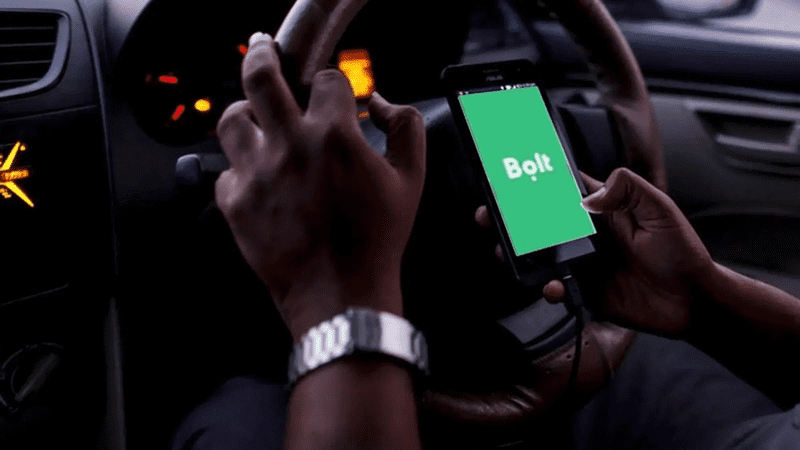
E-hailing drivers operating under Bolt's Comfort category are protesting what they describe as unacceptably low fares, launching an informal campaign in which they switch off their air conditioning during Comfort trips.
The drivers said they began noticing the fare reductions after Uber announced its exit from the Nigerian market. According to them, fares on the Comfort category have fallen to levels that would ordinarily be too low to accept even for the cheaper Basic category.
In response, drivers have begun keeping their air conditioning off on Comfort rides — a practice that directly undermines the premium experience the service tier is meant to provide in the first place. For riders, that means a Comfort fare may no longer come with the cooled cabin the tier is supposed to deliver.
One driver recounted an encounter with a rider who booked a Comfort trip from Ikeja GRA to Toyin Street, with the fare displayed at ₦2,900.
"A man ordered a ride on Bolt from Ikeja GRA going to Mojidi Street at Toyin Street based on Comfort ₦2,900 and asked me to turn on the AC. I said I can't turn on the AC, and the man replied to me and said, but he ordered Comfort. Instantly, I told him if he can't go, he should drop, and cancelled the ride. Because of ₦2,900 to Toyin, I should be on AC on a cold evening? That's no no," the driver said.
"Bolt will give me Comfort for ₦1,880, and you expect me to put on AC because it says Comfort?? Hell no," another driver said.
"No AC for Bolt ride, as Comfort price has dropped since early this month too, I hardly use AC for riders, especially if the price I picked on the Comfort ride is not ok with me," yet another driver said.
The drivers also linked the lower fares to Uber's departure from Nigeria, arguing that Bolt now faces far less competition in the market.
"Since Uber announced their exit from Nigeria, Bolt has systematically reduced the fare because they feel they are now in control of the market, but that will be a misconception because lack of drivers is what pushed Uber out of the market. Bolt should not make the same mistake as Uber, else drivers may just leave them. In summary, Bolt should not be shortchanging drivers to win Uber passengers over. Uber riders are not looking for a cheaper ride but an alternative to Uber regardless," one driver analysed.
Bolt Comfort Fare Cuts Come Amid Fuel Price Hike
The development comes at a time when drivers say they are crumbling under the weight of skyrocketing operational costs, driven by soaring fuel prices. Fuel prices rose from about ₦1,200 per litre in August to an average of ₦1,500 in September, representing an increase of roughly 25 per cent. Despite the steep rise, e-hailing companies have yet to adjust their prices.
Last week, the Amalgamated Union of App-based Transporters of Nigeria (AUATON) declared a mega protest for October, during which it plans to shut down the Bolt and inDrive apps in Lagos. If carried out, the shutdown would further shrink the options available to Lagos riders in a market already reshaped by Uber's announced exit. In a statement signed by Comrade Jaiyesimi Azeez, Chairman of the union's Lagos State Council, the union said rising operational costs, vehicle financing obligations, fuel expenses, maintenance costs, insurance, data subscriptions, government levies and other daily expenses have placed enormous financial pressure on drivers.
The union added that app companies have refused to adjust their existing fare and commission structures to reflect these realities, raising serious concerns about the sustainability of the profession.
Among its core demands is a fare review, with the union insisting that app companies must adjust fares to reflect prevailing economic realities and the actual cost of operating a vehicle. It is also demanding a substantial reduction in commissions, targeting a rate of no more than 10 per cent, subject to negotiations and a transparent explanation of any additional charges or deductions.
While the union organises and prepares for the October showdown, individual drivers appear to be taking matters into their own hands by turning off their air conditioning during rides. The general thinking is that doing so helps conserve fuel, thereby cutting operational costs. Drivers also describe the tactic as a better alternative than negotiating fares outside the app, although they note that riders who want air conditioning are welcome to pay more for it. Attention in the coming weeks will centre on whether Bolt makes any move on fares or commissions ahead of the union's planned October protest, and on whether AUATON follows through on the app shutdown.

