BOJ Governor Ueda: Consumer Prices Now Around 3%, Expected to Rise Further into Early Next Year
Key Takeaways
- •Bank of Japan Governor Kazuo Ueda said Japan's consumer prices are rising at around 3% and are expected to climb further into early next year.
- •Underlying inflation is likely to stay near the BOJ's 2% price-stability target, but Ueda acknowledged that some upside risks remain.
- •Ueda delivered the remarks at the IMF's 2026 Michael Camdessus Central Banking Lecture in a conversation with IMF Managing Director Kristalina Georgieva.
- •The governor said the BOJ watches other central banks' actions carefully because they affect asset prices, interest rates, and exchange rates, and added that the bank has no formal commitment yet on its communication strategy.
- •The Bank of Japan's next policy meeting is scheduled for December 18, with markets split almost 50/50 on the decision, though the source report noted it is a bit early for policy signalling.
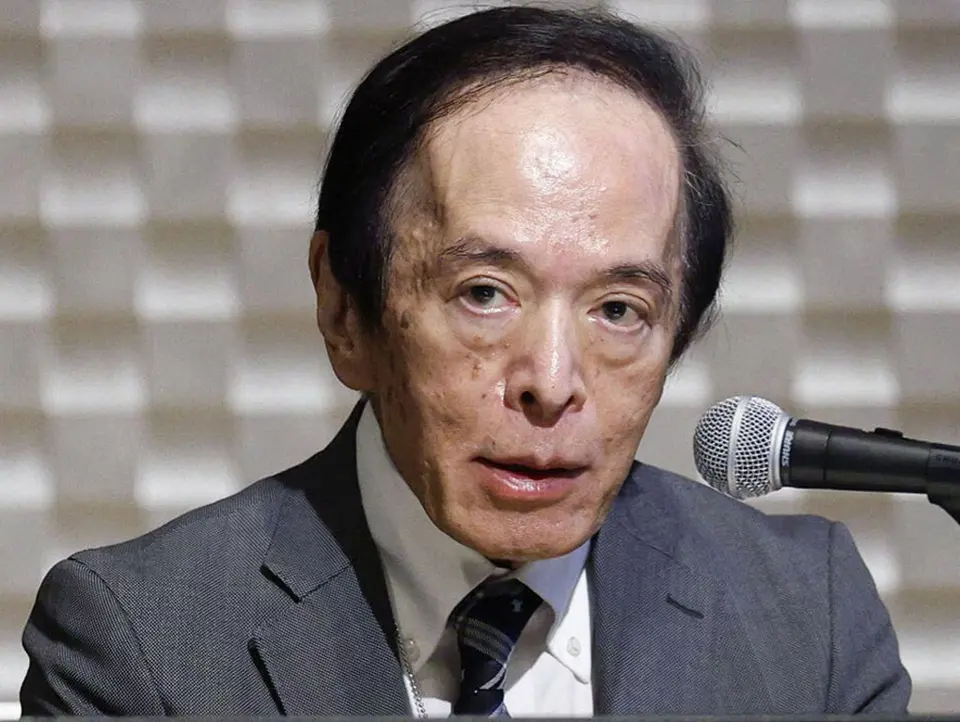
Bank of Japan Governor Kazuo Ueda said consumer prices in Japan are now rising at around 3% and are expected to climb further into early next year, while underlying inflation is likely to stay near the bank's 2% target — though some upside risks remain.
Ueda made the remarks at the International Monetary Fund's 2026 Michael Camdessus Central Banking Lecture, where he appeared in conversation with IMF Managing Director Kristalina Georgieva.
Underlying inflation near 2%, with upside risks
"Underlying inflation will likely stay around 2% but we recognize some upside risks," Ueda said, according to his lecture remarks.
The 2% figure refers to the Bank of Japan's stated price-stability target, measured by consumer prices. Headline consumer inflation, which Ueda put at around 3%, has therefore remained above that goal. Ueda, an academic economist who took office as governor in April 2023, has overseen a gradual normalization of Japanese monetary policy, including the end of negative interest rates and yield curve control in March 2024, as inflation has run above the target for an extended period. That link is the key context for readers: with the bank's policy shift moving in step with inflation above target, each reassessment of prices serves as a reference point for interest-rate decisions.
Other central banks' actions under close watch
"We do look at actions of other central banks very carefully as they do affect asset prices, interest rates and exchange rates," Ueda said.
On the subject of the central bank's own communication strategy, he added: "We are discussing communication by the central bank but don't have a formal commitment yet." Communication is a policy lever in its own right: guidance about the likely path of rates shapes how households, firms and investors act, which is why central bank remarks are parsed so closely even when no formal decision is on the table.
December 18 policy meeting in focus
The governor's comments come roughly six weeks ahead of the Bank of Japan's next monetary policy meeting, scheduled for December 18. Markets are currently split almost 50/50 on what the central bank will do at that meeting; the source report noted, however, that it is a bit early for policy signalling from the governor. The gathering concludes with a policy decision, typically followed by the governor's press conference — the moments when any updated assessment of prices would be laid out formally.
The Michael Camdessus Central Banking Lecture is named after the former IMF Managing Director, who led the fund from 1987 to 2000. Georgieva has headed the IMF since 2019.
Source: investingLive

