Judge Boasberg mocks DOJ over Trump officials' public comments on Ilhan Omar probe
Key Takeaways
- •Judge James Boasberg joked that the Justice Department's inability to control President Trump and senior officials' public remarks about the Omar investigation 'seems to be a common refrain' during a Tuesday hearing.
- •The New York Times, Judicial Watch, and 14 press organizations have asked the court to unseal the warrant behind the Oct. 12 federal search of Omar's Washington home.
- •Boasberg said the DOJ was conflating the warrant's October execution with an ongoing 'speech or debate' review of seized materials, while cautioning that substantial portions of the 67-page file could remain sealed.
- •A court filing shows Attorney General Todd Blanche approved the warrant, and the investigation covers alleged discrepancies in Omar's financial disclosures and whether her father misstated her age on citizenship paperwork.
- •Omar denies wrongdoing and says she is being politically targeted, while border czar Tom Homan has said she could face denaturalization and deportation if evidence of immigration fraud is found.
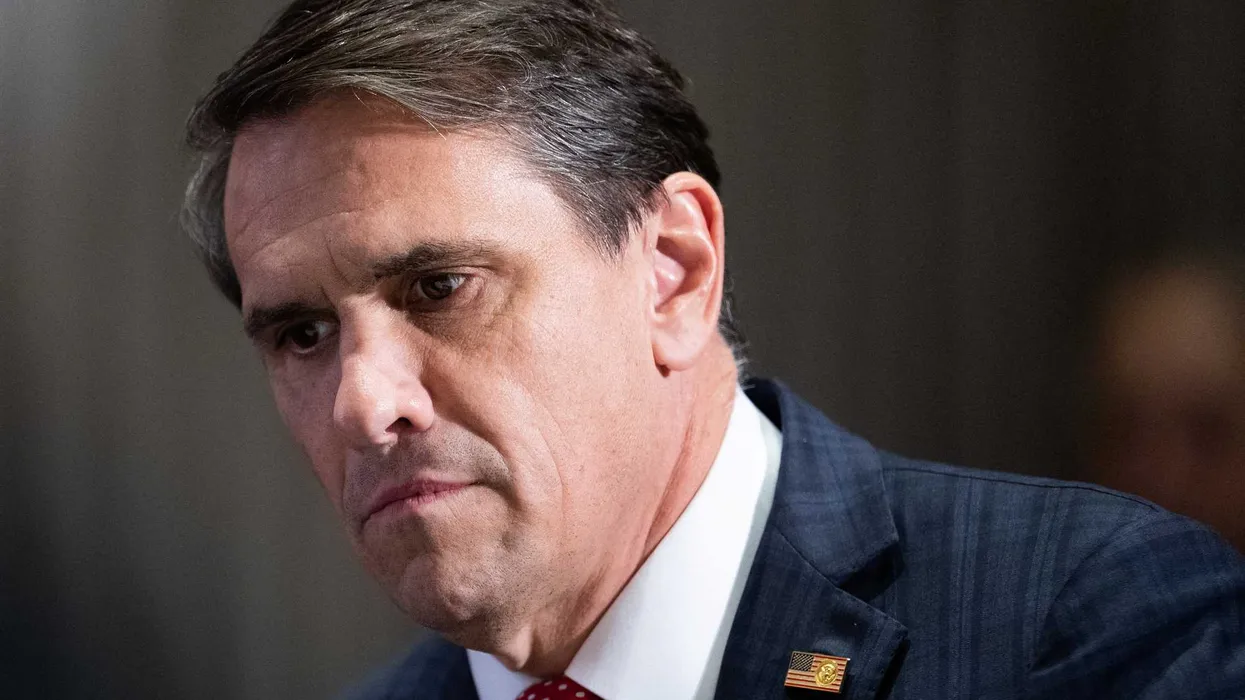
Chief Judge James Boasberg mocked the Justice Department on Tuesday after a DOJ lawyer said she had no control over what President Donald Trump and senior administration officials have said publicly about the investigation into Rep. Ilhan Omar.
The exchange took place during a hearing on whether to unseal records from the search of Omar's home. Boasberg pointed out that Trump, Vice President JD Vance, and Homeland Security Secretary Markwayne Mullin have all publicly commented on and disclosed the focus of an inquiry into the immigration status of the Minnesota Democrat. The hearing put that public commentary alongside a fight over how much of the official record behind the search should become public.
When the DOJ lawyer responded that she did not have control over what Trump and his officials had said, Boasberg joked, “Seems to be a common refrain,” according to Politico reporter Kyle Cheney.
Requests to unseal the warrant
The New York Times, the conservative group Judicial Watch, and 14 press organizations have asked the court to unseal the warrant used when federal agents searched Omar's home in Washington on Oct. 12. Because a warrant application lays out the government's stated basis for a search, the extent of any unsealing will shape how much the public learns about the legal grounds for searching a sitting member of Congress's home.
The DOJ again told the court that the warrant has not been fully executed. Boasberg, however, said the department appeared to be conflating the “execution” of the warrant, which took place in October, with an ongoing review of the materials seized, which is subject to “speech or debate” review — a constitutional protection for the work of lawmakers.
“Most of the briefing and the orders concern speech or debate,” Boasberg said, adding that the dispute before the court came down to “purely legal questions — interesting questions about the extent of the privilege, how it applies in this case, what procedures should be taken.”
What could stay sealed
Substantial portions of the warrant file could remain secret. The 67-page warrant application “reveals important facts about the scope of the investigation” and “witnesses whose identities and roles should not now be disclosed,” Boasberg said. He is considering unsealing some documents. A decision on how much of the file to release remains pending.
The DOJ has previously told the court that its investigation extends to “other individuals,” and a filing said Attorney General Todd Blanche signed off on the warrant for the search of Omar's home. Federal investigators are looking into alleged discrepancies in Omar's financial disclosures, as well as whether her father misstated her age on citizenship paperwork.
Omar has denied any wrongdoing and says she is being politically targeted by the Trump administration. Border czar Tom Homan has said Omar could face denaturalization and deportation if investigators find evidence of immigration fraud.
Boasberg back in Trump's crosshairs
The case has again thrust Boasberg into Trump's crosshairs. In March 2025, he temporarily blocked deportation flights carrying alleged Venezuelan gang members. Trump called him a “Radical Left Lunatic” and called for his removal from the bench. Sen. Eric Schmitt has since proposed the “Boasberg Act,” which would require that cases be randomly assigned in federal district courts.

