BMA Tops Up Strike Reserve Fund to Over £1.3m Despite £2.4m Annual Loss
Key Takeaways
- •The BMA raised its industrial action reserve fund by approximately £300,000, bringing the total allocated to support doctor walkouts to more than £1.3 million.
- •Despite posting a £2.4 million after-tax loss in 2025, the union committed around £2.1 million to industrial action and pay campaigns during the same year.
- •A June pay agreement between the government and the BMA will make resident doctor pay roughly 35.2 percent higher on average compared to four years ago.
- •Successive doctor strikes since 2023 have led to more than one million postponed appointments and procedures while the NHS waiting list in England exceeds seven million patients.
- •The BMA has faced multiple controversies, including criticism from former health secretary Wes Streeting, opposition to the Cass review, and rejection of a recognised definition of antisemitism.
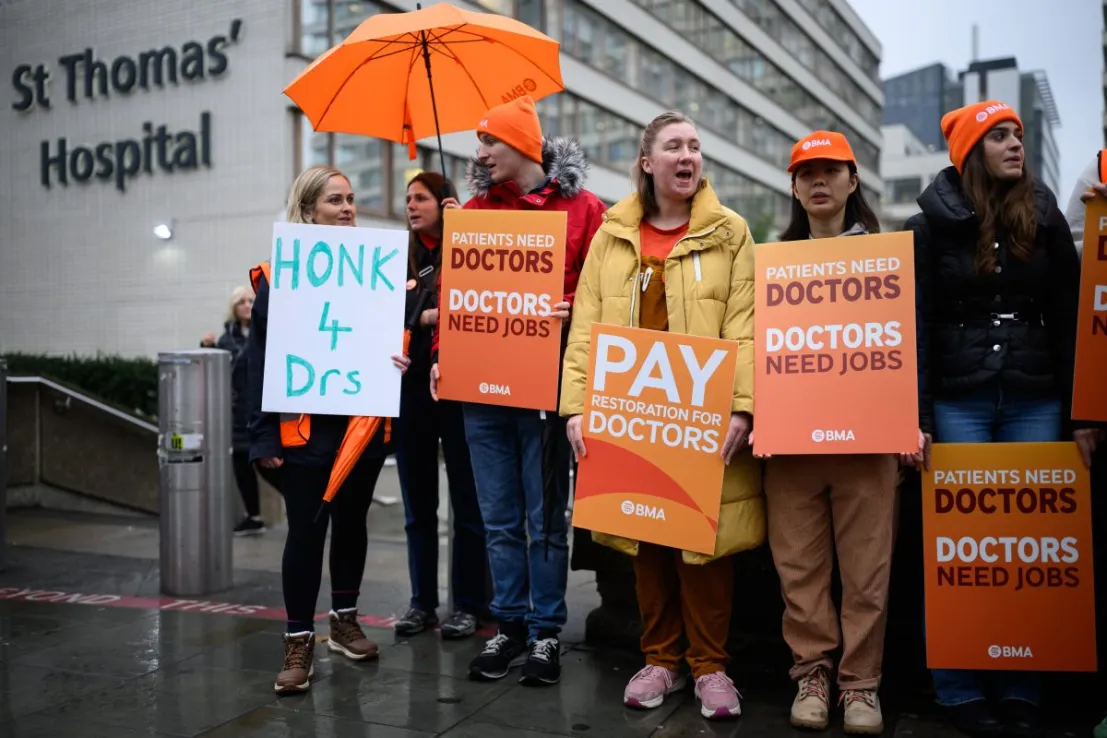
The British Medical Association (BMA) has increased its reserve fund for industrial action by approximately £300,000, bringing the total set aside to support doctors walking out over pay and working conditions to more than £1.3m, according to newly filed accounts.
The top-up comes despite the union, which represents over 200,000 doctors and medical students, recording a loss of £2.4m after tax in 2025. Around £2.1m was committed to industrial action and pay campaigns over the same year.
The accounts signal the union's continued readiness to take forceful action against the government in pursuit of agreements with health officials. That resolve persists even as the NHS continues to manage a waiting list of over 7 million patients in England, with successive rounds of doctor walkouts since 2023 having resulted in more than one million postponed appointments and procedures. BMA treasurer Dr Peter Holden said there were "contingency plans" in place to fund long-term strikes.
A BMA spokesperson said: "As the trade union for doctors and medical students in the UK, industrial action is an important, legal and effective tool that we have at our disposal for winning positive change for our members, and something that we are proud to continue investing in."
While fewer consultant and resident doctors joined the union last year, overall membership grew slightly. The BMA has described its recent wave of strikes as "highly successful" in pressuring the government.
Tax Hikes Fund Increased Spending on Doctors
Doctors have staged multiple rounds of picket-line action since July 2025. In June, the government and the BMA reached a pay deal for resident doctors — those still in training before specialising. Under the agreement, pay will be approximately 35.2 per cent higher on average compared to four years ago.
The settlement arrives against a backdrop of constrained public finances that have contributed to tax increases totalling roughly £65bn over the past two years. At last year's Spending Review, the Labour government awarded health and social care one of its largest budget boosts, with annual expenditure growth averaging 2.8 per cent.
Health spending accounts for more than double the taxpayer funding directed at education, the second-largest area of state expenditure. This year, the government is projected to spend approximately £225bn on health and social care, compared with £106bn on education and around £65bn on defence. The NHS is simultaneously contending with a workforce shortfall of more than 100,000 vacant posts across England, a figure both sides have cited as central to disputes over doctor retention and working conditions.
In pay negotiations, BMA officials have cited RPI inflation — a less reliable measure that typically runs higher than the more widely used CPI figure — when advancing their "pay restoration" demands. The union has also used 2008 as a baseline for what it considers fair doctor remuneration, though government officials have disputed that reference point.
Union Under Scrutiny
Last month, The Guardian reported that the BMA was threatening to cut up to a third of its entire workforce amid financial concerns. Union bosses told the newspaper that as few as 20 staff would lose their jobs, with a statement indicating the staff changes were intended to reduce the BMA's "deficit."
However, accounts for 2025 show the BMA's headcount actually increased over the year and remained above 1,000.
The union has also faced a series of controversies beyond healthcare policy. Former health secretary Wes Streeting accused the BMA of being "impossible" in negotiations over GP working conditions and alleged the union had distributed "misleading" information.
Senior figures within the organisation drew scrutiny from leading health professionals over the BMA's opposition to the Cass review on gender identity services. Separately, a Jewish medical group criticised the union for rejecting a recognised definition of antisemitism.
GMB, one of the country's largest unions, has also publicly criticised the BMA over its pay offer to its own working staff.
