Blackstone Co-CEO Jonathan Bock Leaves $78 Billion Private Credit Fund
Key Takeaways
- •Jonathan Bock resigned as co-CEO of Blackstone's private credit vehicles effective July 20, with no public reason given for his departure.
- •Brad Marshall will lead Blackstone's private credit business as sole CEO, and the firm does not plan to appoint a replacement co-CEO.
- •During his tenure, Bock oversaw BCRED, which manages $78 billion in assets and is among the largest private credit vehicles globally, as well as BXSL.
- •The leadership change occurs amid a difficult environment for private credit, with several major funds experiencing NAV declines and investor outflows.
- •Blackstone has not announced any changes to fund strategy or direction in connection with Bock's resignation.
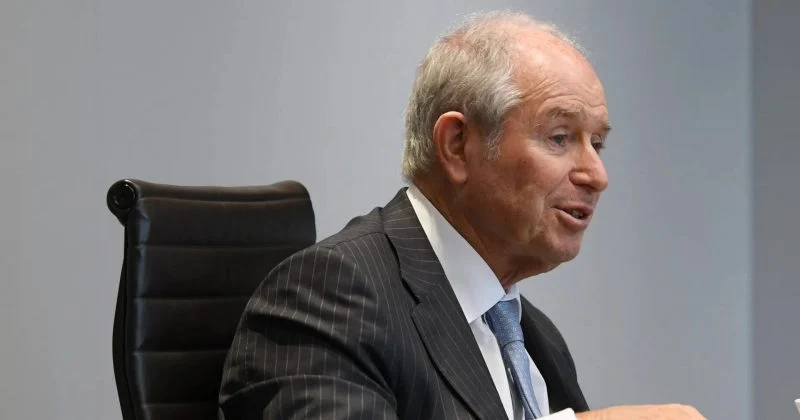
Jonathan Bock, co-CEO of Blackstone's private credit vehicles, has resigned from the world's largest alternative asset manager, with his departure effective July 20. The move changes the leadership structure at the top of Blackstone Private Credit Fund, known by its ticker BCRED, a private credit vehicle with $78 billion in assets.
Blackstone has opted not to name another co-CEO. Brad Marshall will now lead Blackstone's private credit business as sole CEO, and the firm confirmed that it does not plan to appoint a replacement co-CEO.
Bock's role at Blackstone
Bock served as co-CEO of both BCRED and Blackstone Secured Lending Fund, which trades under the ticker BXSL. BCRED's $78 billion asset base makes it one of the largest private credit vehicles globally. The fund is structured as an interval fund, offering retail investors periodic liquidity through quarterly repurchase offers—a structure that has helped widen access to corporate lending historically dominated by banks and institutional investors. The broader private credit market has grown to roughly $1.7 trillion in assets, fueled by years of investor demand for higher-yielding alternatives to traditional fixed income.
Bock joined Blackstone in January 2023, giving him a tenure of roughly two and a half years at the firm. Before joining Blackstone, he was CEO of Barings BDC and previously worked as a senior equity analyst at Wells Fargo Securities.
No public reason has been given for Bock's departure. Blackstone's filings did not state a rationale, and neither Bock nor the firm's leadership has publicly discussed his future plans.
Private credit market context
The leadership change comes as the broader private credit market has been dealing with a more difficult environment. Several major funds have recorded declines in net asset value as well as notable investor outflows. Persistent higher interest rates have increased pressure on corporate borrowers, raising questions about credit quality across portfolios that hold floating-rate loans.
Implications for BCRED and BXSL
For investors in BCRED and BXSL, the management change raises questions about whether it reflects any broader shift in fund performance, oversight, or strategy. Blackstone has not announced any change in direction tied to Bock's resignation.
Marshall is already closely associated with Blackstone's credit operations and will now hold full leadership authority over the private credit business. By declining to appoint a new co-CEO, Blackstone is moving ahead with a simplified management structure rather than seeking a direct replacement for Bock.
Blackstone remains one of several large firms competing in private credit. Apollo, Ares, and Blue Owl are also pursuing institutional and retail capital in the same market.

