BlackRock Links AI Growth to Rising Digital Asset Demand
Key Takeaways
- •BlackRock's research argues that AI and blockchains converge on tokenization, as both produce machine-readable formats connecting AI growth to broader digital asset adoption.
- •Circulating stablecoin market capitalization exceeded $300 billion in September 2026, and adjusted stablecoin transaction volume topped $11 trillion in 2025 after growing 80% annually from 2020 to 2025.
- •Coinbase's x402 protocol, built on the rarely used HTTP 402 'Payment Required' status code, supports frequent, low-value machine-initiated payments settled in digital currencies including stablecoins.
- •Multiple overlapping payment protocols for agentic commerce have emerged from firms including Stripe, Google, and Visa, making interoperability among these standards a key open question.
- •Combined revenue for AWS, Microsoft Intelligent Cloud, and Google Cloud is estimated to reach approximately $1.1 trillion by 2030, with compute markets potentially developing standardized claims tied to capacity for collateral and programmable settlement.
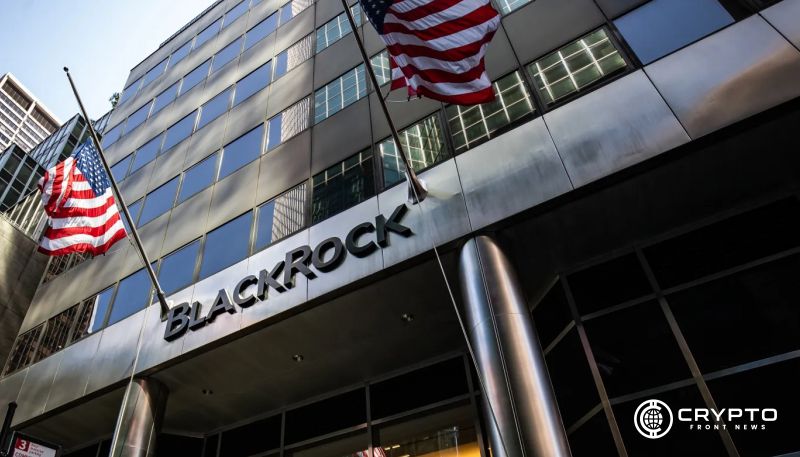
BlackRock, the world's largest asset manager, says artificial intelligence and blockchains both produce machine-readable tokens, drawing a direct link between the growth of AI and broader adoption of digital assets.
The finding appears in a BlackRock research, which outlines how the two technologies converge on tokenization and what that means for payments and computing markets.
According to BlackRock, large language models and blockchains use different forms of tokenization. LLMs convert language into numerical tokens, while blockchains represent value and economic claims as digital tokens. Both, however, produce machine-readable formats. That connection becomes more relevant as agentic AI takes on multistep tasks: Model Context Protocol (MCP), an open standard introduced by Anthropic, connects AI applications with external data, while Google's Agent2Agent (A2A) supports communication between agents.
Stablecoins — cryptocurrencies typically pegged to fiat currencies such as the US dollar — figure prominently in the research. Circulating stablecoin market capitalization exceeded $300 billion in September 2026. Adjusted stablecoin transaction volume topped $11 trillion in 2025, with growth from 2020 to 2025 reaching 80% annually.
Payment Rails Adapt to Agentic Commerce
BlackRock identifies x402, developed by Coinbase, as an emerging protocol for machine-init payments. Built on the HTTP 402 status code — reserved in the original HTTP specification as "Payment Required" but never put into wide use — it can settle transactions in digital currencies, including stablecoins, and supports frequent, low-value payments without human intervention.
Other initiatives target the same space. Stripe and Tempo developed the Machine Payments Protocol, while Stripe and OpenAI developed the Agentic Commerce Protocol. Google's Agents Payment Protocol and Visa's Trusted Agents Protocol focus on authorization. With multiple overlapping protocols now in the field, how these standards interoperate is one of the open questions for agentic commerce.
Compute Becomes Another Digital Asset Market
The paper also examines compute as an economic resource for AI systems. Estimates for AWS, Microsoft Intelligent Cloud and Google Cloud indicate combined revenue could reach approximately $1.1 trillion by 2030.
BlackRock notes that compute markets could develop standardized claims tied to capacity. Such contracts could represent compute rights, support collateral and enable programmable settlement. Meanwhile, AI agents could compare compute prices, performance, latency and location before selecting resources, with MCP and A2A handling coordination and x402 settling payments per use.
The research also cites Stripe's August 2026 agreement to acquire OpenRouter, which routes workloads across more than 400 models from over 80 providers based on cost and performance.

