Black Coffee in a Ceramic Cup on a Spring Wednesday: Study Maps the Science of Coffee Enjoyment
Key Takeaways
- •Nearly 3,000 coffee drinkers across 11 countries were surveyed by a team led by Alexandru Ioan Cuza University in Romania, making it one of the largest real-world studies of coffee enjoyment.
- •Enjoyment scores were highest for black coffee consumed in the morning, on Wednesdays, and in spring, with ratings dropping sharply in autumn.
- •Adding sugar was consistently linked to lower enjoyment, which researchers interpreted as a coping mechanism for bitterness rather than genuine liking.
- •Coffee served in ceramic cups scored higher than in paper or plastic, while takeaway lids reduced enjoyment by limiting aroma release, especially in colder seasons.
- •Consumers paying higher prices reported greater enjoyment, and the most satisfied drinkers were those consuming four to five cups daily, supporting the case for subscriptions and loyalty programs.
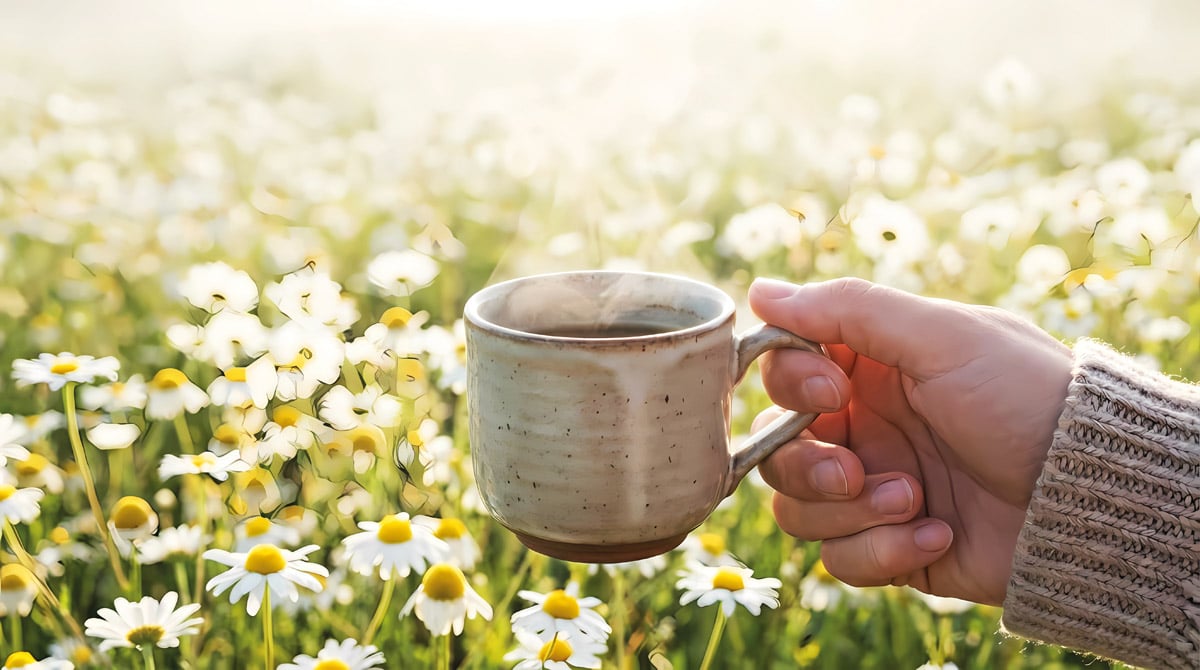
The most enjoyable cup of coffee, according to new research, is black, served in ceramic cup, and drunk on a Wednesday morning in spring.
Every coffee drinker has a personal ritual for the ideal coffee moment, but an international research team led by Alexandru Ioan Cuza University in Romania set out to determine whether common factors beyond taste shape the experience. The project became one of the largest global studies to examine coffee enjoyment in real-world settings, surveying nearly 3,000 coffee drinkers across 11 countries. Researchers assessed how time of day, season, cup type, additional ingredients, price, and consumer habits influence how much people enjoy their coffee. Because the data was gathered in real-world settings, the results speak to coffee as it is actually consumed day to day — context that gives the findings practical weight for drinkers and the businesses that serve them alike.
“Our main interest was whether habitual behaviour would result in altered perceptual experience,” says Georgiana Juravle, Associate Professor of Neuroscience. “We were curious if any coffee-related habits – for example drinking coffee while walking versus sitting, or slurping coffee like a connoisseur or simply sipping – make the experience more or less enjoyable.”
The team found that in-the-moment enjoyment was as much a product of context as of the beverage itself. Timing emerged as a key factor: coffee received its highest enjoyment scores when consumed in the morning, and enjoyment peaked in spring before plummeting in autumn.
“We were surprised to find coffee is liked best on Wednesdays, as if the drink could help people get over the midweek ‘hump’,” says Juravle.
Another unexpected result concerned sugar. Given people’s well-known preference for sweet tastes, the researchers expected participants to rate sweetened coffee highly, yet adding sugar was consistently associated with lower coffee liking.
“We interpreted this result as a coping mechanism, likely signalling a drinker who is managing the perceived bitterness of coffee, rather than truly enjoying the coffee in front of them,” Juravle explains.
While café menus increasingly emphasise customisation and elaborate flavours, participants gave black coffee the highest enjoyment scores, with multiple added ingredients progressively reducing ratings.
“Preference for black coffee proved remarkably steady, maintaining its appeal throughout the week, as compared to coffee with added ingredients,” says Juravle. “For these added ingredients, note that milk acted to raise coffee liking, but nevertheless those people who added milk to their coffee were less likely to give their coffee a perfect liking score.”
Vessel choice mattered as well. Coffee drunk from ceramic cups consistently scored higher than coffee served in paper or plastic versions. Takeaway lids significantly reduced enjoyment, particularly in colder seasons – an effect the researchers attributed to lids restricting the release of aromas, which in turn affects flavour perception. The broader implication is that packaging is not neutral: whatever sits between the drinker and the coffee shapes how that coffee tastes.
With green bean prices continuing to add pressure across the industry, Juravle said one finding offers a reassuring message for business owners.
“Consumers are not only tolerating coffee at higher prices but they also report enjoying it more, with the higher price paid associated with a higher likelihood of a perfect liking rating,” she says. “However, we believe that for enhanced liking to continue to happen, price may need to be known and framed as a signal of quality. The drink that costs the least to prepare, the black coffee, was the most appreciated in our sample. Probably because no other addition in the cup can mask the taste of the beans, investment in higher-quality green coffee may be economically justified.
“Furthermore, the most satisfied customers in our sample were the habitual ones – those who drink around four to five cups per day. result makes a clear case for subscriptions and loyalty programs built around the frequency of having a cup of coffee.”
This article was first published in the September/October 2026 edition of Global Coffee Report. The original article is available at Global Coffee Report.

