BitMEX Faces U.S. Class Action Claiming 622.66 BTC in Forced Liquidation Losses
Key Takeaways
- •Plaintiffs BKX Services Inc. and David Namdar filed the class action in the U.S. District Court for the Southern District of New York, alleging combined losses totaling 622.66 BTC from improperly triggered liquidations.
- •The complaint accuses BitMEX of allowing its internal trading desk to continue operating during server freezes that prevented ordinary customers from accessing their accounts or closing positions.
- •The proposed class would cover U.S. customers who purchased BTC swap products in transactions dating back to July 23, 2018.
- •BitMEX announced on the same day as the filing that it would shut down all services on September 23 following a strategic review by owner HDR Global Trading.
- •A similar class action filed in 2020 was voluntarily dismissed without prejudice in June 2025, leaving open the possibility of new claims based on related allegations.
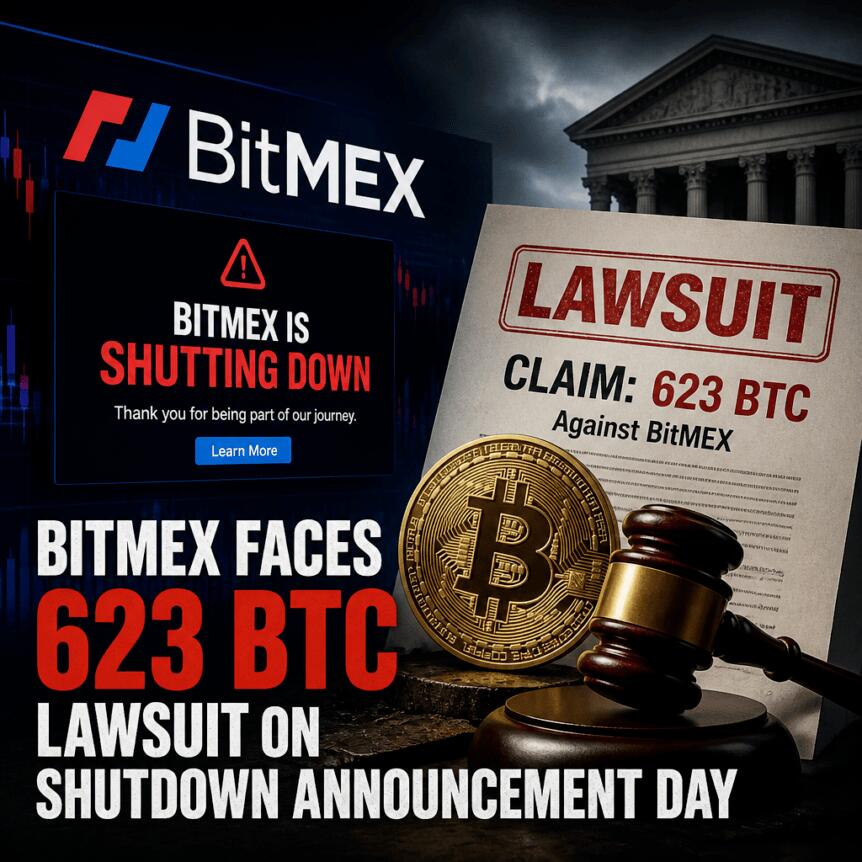
BitMEX is facing a new U.S. class action lawsuit accusing the crypto derivatives exchange of designing forced liquidations to seize traders’ Bitcoin collateral. The complaint, filed Thursday in federal court in New York by BKX Services Inc. and David Namdar, alleges that the plaintiffs lost more than 622 BTC through liquidation events they claim were improperly triggered and timed.
The filing comes as BitMEX is preparing to wind down its operations. The exchange has announced that it will shut down after a strategic review by its owner, HDR Global Trading, with services scheduled to end in September. That timetable could affect how remaining users approach disputed positions, collateral claims and any administrative processes available before the platform closes.
Allegations focus on forced liquidations and collateral
According to the complaint filed in the U.S. District Court for the Southern District of New York, the plaintiffs allege that BitMEX automatically liquidated positions in circumstances that were not justified by the value of users’ collateral. The filing says BitMEX allowed leverage of up to 100 times users’ collateral and then carried out liquidations even though, according to the plaintiffs, the collateral remained worth substantially more than the losses ultimately imposed.
In crypto derivatives trading, forced liquidation is typically used to close leveraged positions when margin falls below required levels, limiting losses that could affect the platform or other traders. The lawsuit challenges how that process allegedly operated on BitMEX, focusing on whether liquidations reflected account risk or were triggered in ways that benefited the exchange.
The plaintiffs claim BitMEX’s liquidation system enabled the exchange to benefit from forced liquidations when customer collateral should have remained sufficient. They allege that, after liquidations, BitMEX’s insurance fund absorbed remaining Bitcoin, allowing the exchange to profit from the events. The complaint characterizes that structure as a mechanism that converted customer positions into gains for BitMEX.
A central part of the fraud allegation concerns the exchange’s internal operations. The plaintiffs claim an internal trading desk had access to private customer information and could continue trading during alleged “server freezes” that prevented ordinary users from accessing their accounts or closing positions. The complaint presents those events as part of a deliberate system rather than a technical malfunction, alleging that BitMEX developed an arrangement that profited from customer liquidations.
Plaintiffs seek return of Bitcoin and damages
The lawsuit seeks the return of Bitcoin that the plaintiffs say was withheld through forced liquidations, along with compensatory and punitive damages. The proposed class would cover U.S. customers who purchased BTC swap products in transactions dating back to July 23, 2018.
The complaint states that BKX Services Inc. claims losses of at least 305.81 BTC, while Namdar alleges losses exceeding 316.85 BTC. Together, the alleged losses total 622.66 BTC.
The filing also refers to an earlier BitMEX-related class action brought in 2020 by Brett Messieh and other traders. That case asserted similar conduct and included claims under the Commodity Exchange Act. It was voluntarily dismissed without prejudice on June 30, 2025, leaving open the possibility of new claims based on similar allegations.
Lawsuit filed as BitMEX prepares shutdown
The new complaint was filed on the same day BitMEX publicly announced its plan to close after 11 years of operation. BitMEX said it would stop providing services on Sept. 23 following HDR Global Trading’s strategic review.
As part of the wind-down, BitMEX has stopped accepting new registrations and plans to prevent users from opening new positions beginning Aug. 26. Cointelegraph reported that the shutdown announcement was followed by a roughly 90% decline in BitMEX’s BMEX utility token.
The timing may create practical issues for users with unresolved disputes. With services scheduled to end in September and new position openings set to be blocked before then, users who believe collateral was improperly taken may need to rely on legal remedies or any remaining exchange procedures that exist during the wind-down.
Case may turn on liquidation records and platform access
For traders, the dispute is likely to focus on whether BitMEX’s liquidation process reflected ordinary risk management or, as the plaintiffs allege, whether internal systems and access created outcomes that ordinary customers could not avoid. The allegation that customers could not close positions during “server freezes,” while an internal desk allegedly continued operating, is expected to be a key issue as the case moves forward.
For BitMEX, the lawsuit seeks to frame the alleged conduct as intentional fraud and points to a substantial amount of Bitcoin allegedly lost by the named plaintiffs. BitMEX did not respond to Cointelegraph’s request for comment before publication of the report on the filing.
The case adds to longstanding scrutiny of crypto derivatives exchanges, particularly where customer liquidations intersect with platform outages, operational failures or internal market-making processes. The proposed class structure also means the dispute could extend beyond the two named plaintiffs if the court allows other U.S. customers with similar BTC swap claims to proceed together. As BitMEX moves toward its planned shutdown, affected users may have to decide whether to pursue claims immediately, await court developments or rely on any remaining procedures the exchange makes available before services end.
The court’s early handling of the complaint, including any motions related to class certification, will determine how the allegations proceed. The claims are expected to be tested against technical records related to liquidations, account access and trading activity during the periods cited in the complaint.

