BitGo CEO Mike Belshe: Why Dollar Debasement Fuels the K-Shaped Economy
Key Takeaways
- •BitGo CEO Mike Belshe said in a BMTV interview that tokenization's core value lies in expanding access rather than improving trading.
- •Belshe traced modern market infrastructure to the 1960s paper crisis, when surging volumes forced the New York Stock Exchange to shut down weekly to settle physical certificates.
- •The Depository Trust Company, which began operating in 1973 in response to that crisis, still sits at the heart of US equity settlement, though Belshe argued the system it created caters to the largest participants.
- •Belshe identified retail investors' inability to borrow against their holdings as a driver of the K-shaped economy, since margin and securities-backed credit have generally favored larger accounts.
- •The interview also covered custody concentration, multisig and MPC designs, proof of reserves, AI agents in asset management, and how ghost stocks and tokenized equities could alter borrowing dynamics.
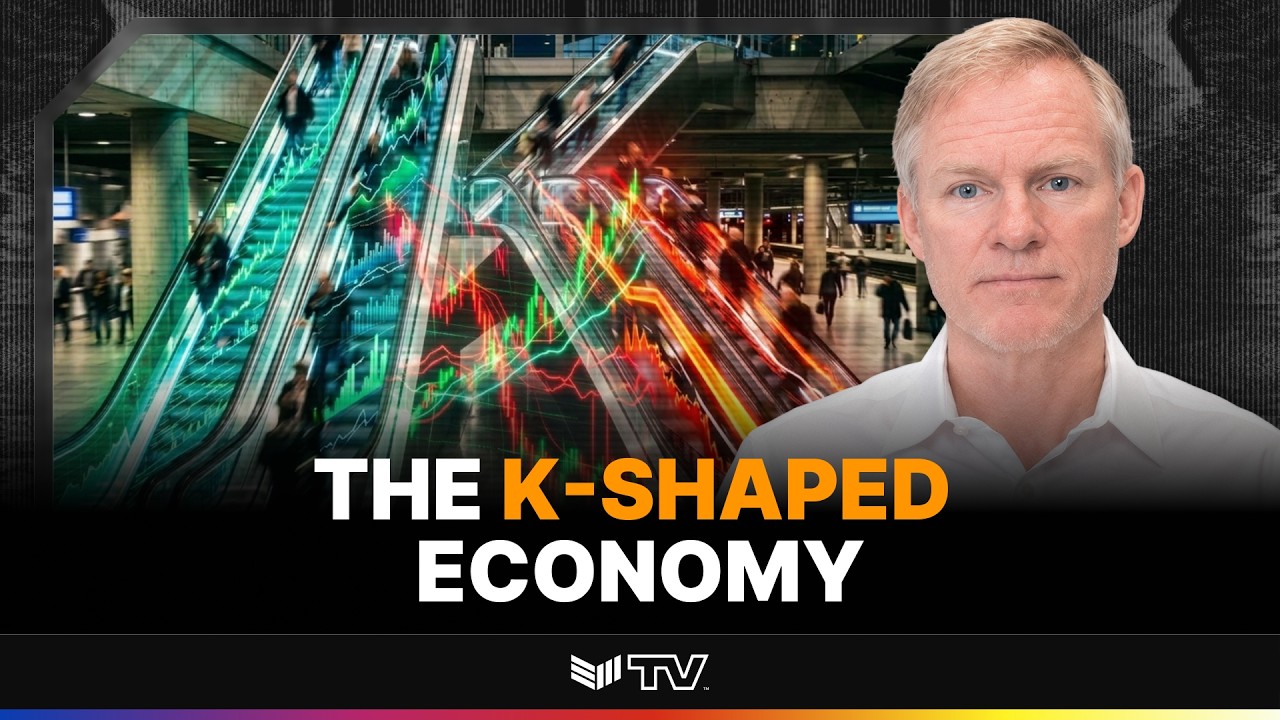
BitGo CEO Mike Belshe says tokenization is not really about trading — it is about access.
Belshe leads BitGo, a digital asset custody provider, which puts him directly inside the market-plumbing debates the interview covers — custody concentration, multisig and MPC designs aimed at eliminating single points of failure, and proof of reserves.
Speaking in an interview on BMTV, Bitcoin Magazine's video channel, Belshe traces today's market infrastructure back to the 1960s paper crisis, a period when the New York Stock Exchange had to shut down weekly just to settle physical share certificates. The crunch, driven by surging trading volumes that left brokers buried in unprocessed certificates, pushed Wall Street toward centralized depository and clearing infrastructure — most notably the Depository Trust Company, which began operating in 1973 and still sits at the heart of settling US equities. In his view, the structure built to fix that problem still caters to the largest players in the market.
A central theme of the conversation is what Belshe identifies as the driver of the K-shaped economy: retail investors' inability to borrow against their rather than sell them. Framed around the question of why dollar debasement fuels that divide, the interview explains what ghost stocks and tokenized equities change about the dynamic. The divide has a practical edge: in traditional markets, borrowing against a portfolio through margin or securities-backed credit has generally favored larger accounts, so liquidity needs can push smaller holders to sell out of a position rather than borrow against it and keep it intact.
The discussion is organized into the following chapters:
- 00:00 — Does custody concentration create a new centralization risk
- 00:35 — Multisig, MPC, and eliminating single points of failure
- 01:49 — What the US regulatory framework still needs beyond clarity
- 02:39 — How boardrooms actually decide without a legislative path
- 04:17 — Ghost stocks and tokenized equities
- 04:51 — The 1960s paper crisis and the system built to fix it
- 05:31 — The K-shaped economy and who can borrow against assets
- 06:54 — Proof of reserves and time-locking shares to show conviction
- 08:18 — Where AI agents fit into managing assets
- 10:04 — What he actually meant about the dollar going to zero
DISCLAIMER: The views and opinions expressed in this show are those of the participants and do not necessarily reflect the official policy or position of BTC Inc., Bitcoin Magazine, or any affiliated entities. This content is provided for informational and educational purposes only and should not be construed as investment, legal, tax, or accounting advice. Nothing contained in this show constitutes a solicitation, recommendation, endorsement, or offer to buy or sell any securities or financial instruments. Viewers should consult their own advisors before making financial or business decisions.
The full interview is available at Bitcoin Magazine. The post was written by Patrick Green.

