Bitget Wallet Surpasses 100 Million Users as Daily Payments Overtake Trading for First Time
Key Takeaways
- •Bitget Wallet has exceeded 100 million users worldwide, with daily payment users outnumbering traders for the first time in the company's history.
- •Nigeria accounts for approximately 60 percent of all stablecoin inflows into sub-Saharan Africa since 2019, primarily driven by households and small businesses rather than institutional trading.
- •In November 2025, Bitget Wallet launched a direct bank transfer feature in Nigeria that instantly converts stablecoins such as USDT and USDC into naira across multiple partner banks.
- •Global card spending on Bitget Wallet cards reached $31 million in the first half of 2026, representing a 191 percent increase from the prior six months, while emerging market spending grew 416 percent.
- •Bitget Wallet's Onchain Payments Matrix settlement layer has processed more than $177 billion in stablecoin volume across over 80 payment rails and more than 100 currencies.
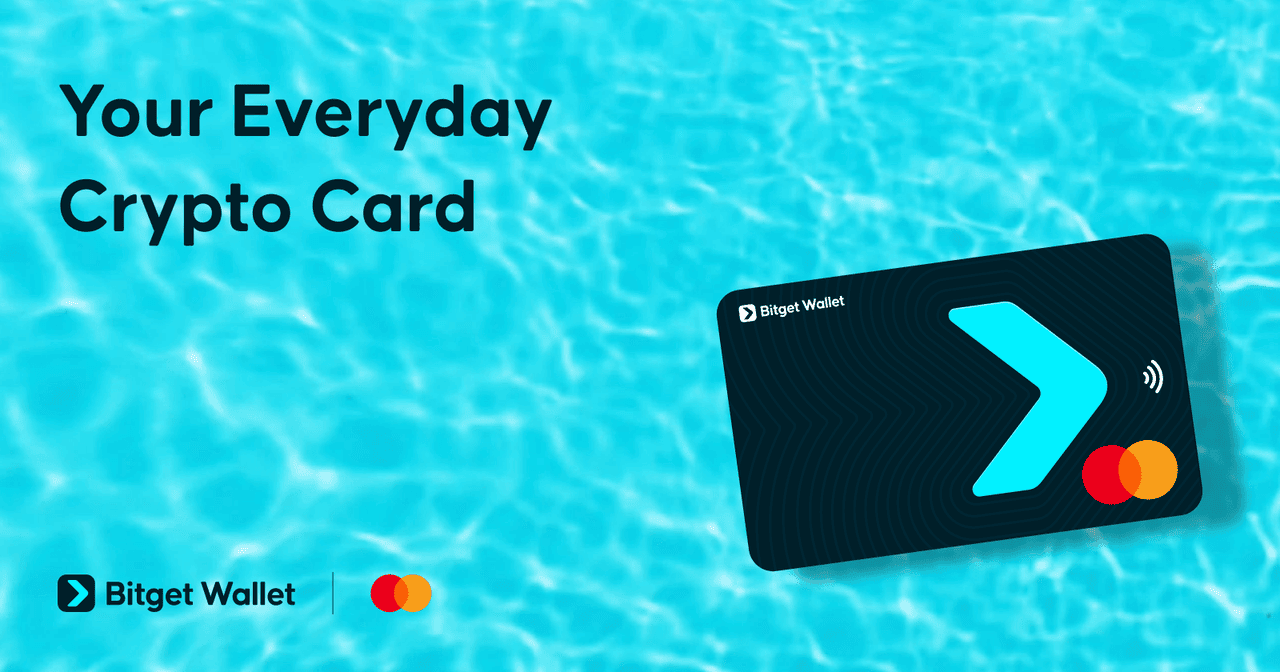
Bitget Wallet, a self-custodial cryptocurrency wallet designed for everyday financial use, has exceeded 100 million users globally, with daily payment users now outnumbering traders for the first time in the company's history. The milestone places Bitget Wallet among the most widely adopted non-custodial crypto wallets, a category that includes MetaMask, Trust Wallet, and Coinbase Wallet.
Nigeria stands out as a leading market in this growth. A June 2026 International Monetary Fund report found that Nigeria accounts for approximately 60 percent of all stablecoin inflows into sub-Saharan Africa since 2019, with the majority driven by households and small businesses rather than institutional trading. The country also received roughly $59 billion in crypto asset inflows between July 2023 and June 2024. That inflow period coincided with the Central Bank of Nigeria lifting restrictions that had prohibited banks from servicing crypto-related transactions, reopening regulated channels for digital asset activity.
According to Bitget, more than half of its global user base is concentrated in Southeast Asia, South Asia, Africa, and Latin America. In these regions, the wallet increasingly serves as a stablecoin account — a tool for holding dollar-denominated value and receiving payments — rather than a speculative trading venue.
The macroeconomic pressures driving adoption are tangible. The Nigerian naira depreciated by more than 40 percent against the US dollar in 2024, while traditional remittance corridors into the country continue to charge an average of 5 to 8 percent per transfer.
To bridge this gap, Bitget Wallet introduced a direct bank transfer feature in Nigeria in November 2025. The functionality converts stablecoins such as USDT and USDC into naira, settling instantly across multiple partner banks. This marked one of the first attempts by a global crypto wallet to integrate stablecoin payments directly into a national banking system at scale.
Bitget Wallet Card metrics reflect a similar trajectory. More than 150,000 cards have been issued worldwide, active across over 50 markets and accepted at more than 150 million merchants. Global card spending reached $31 million in the first half of 2026, a 191 percent increase from the second half of 2025. In emerging markets, including Nigeria, card spending grew 416 percent over the same period — more than double the global rate.
"The next wave of users in markets like Nigeria doesn't think of this as crypto," said Alvin Kan, Chief Operating Officer of Bitget Wallet. "They have a balance in dollars, they spend it, they get paid into it, and they move it across borders. The account just happens to be onchain. What the data is showing us is that this is becoming routine, and what starts as routine in these markets tends to define what global finance looks like next."
Cardholders currently average 10 payments per month at approximately $28 per transaction — a usage pattern resembling routine debit card activity rather than trading behavior. The shift mirrors a broader industry trend in which major payment companies are building toward the same use case of dollar-backed digital payments across borders. Stripe acquired stablecoin infrastructure provider Bridge in 2024, and PayPal launched its PYUSD stablecoin in partnership with Paxos, signaling growing convergence between traditional payment networks and onchain settlement.
Originally launched in 2018 as a trading tool for cryptocurrency enthusiasts, Bitget Wallet has undergone a substantial transformation. Features such as card issuance, direct bank integrations, and QR payment rails — none of which existed at the company's last major milestone — now form the core of the product. This evolution is underpinned by the Onchain Payments Matrix, Bitget Wallet's settlement layer, which has processed more than $177 billion in stablecoin volume across over 80 payment rails and more than 100 currencies.

