Bitcoin Tops $87,000 Then Retreats as Soft US Jobs Report Crushes October Fed Rate-Hike Odds
Key Takeaways
- •The U.S. added only 29,000 jobs in September, far below the 90,000 consensus, while the unemployment rate rose to 4.2% and August and July figures were revised sharply lower.
- •Odds of a Federal Reserve rate hike on Oct. 28 fell to 13% on CME FedWatch after the report, down from about 70% days earlier, with dovish remarks from Fed officials also weighing.
- •The Nasdaq 100 hit an all-time high near 31,000, but bitcoin's jump above $87,000 faded to roughly $85,300 and the 10-year Treasury yield rebounded to 5.26% after initially sliding.
- •Brent crude climbed about $4 to $102.35 after bottoming when French President Emmanuel Macron announced the G7 agreed to release up to 100 million barrels of diesel and oil from reserves.
- •Strategists at LMAX Group and 21Shares said the weak jobs data could pressure the dollar and support bitcoin, with $90,000 identified as the next key resistance level followed by $97,000.
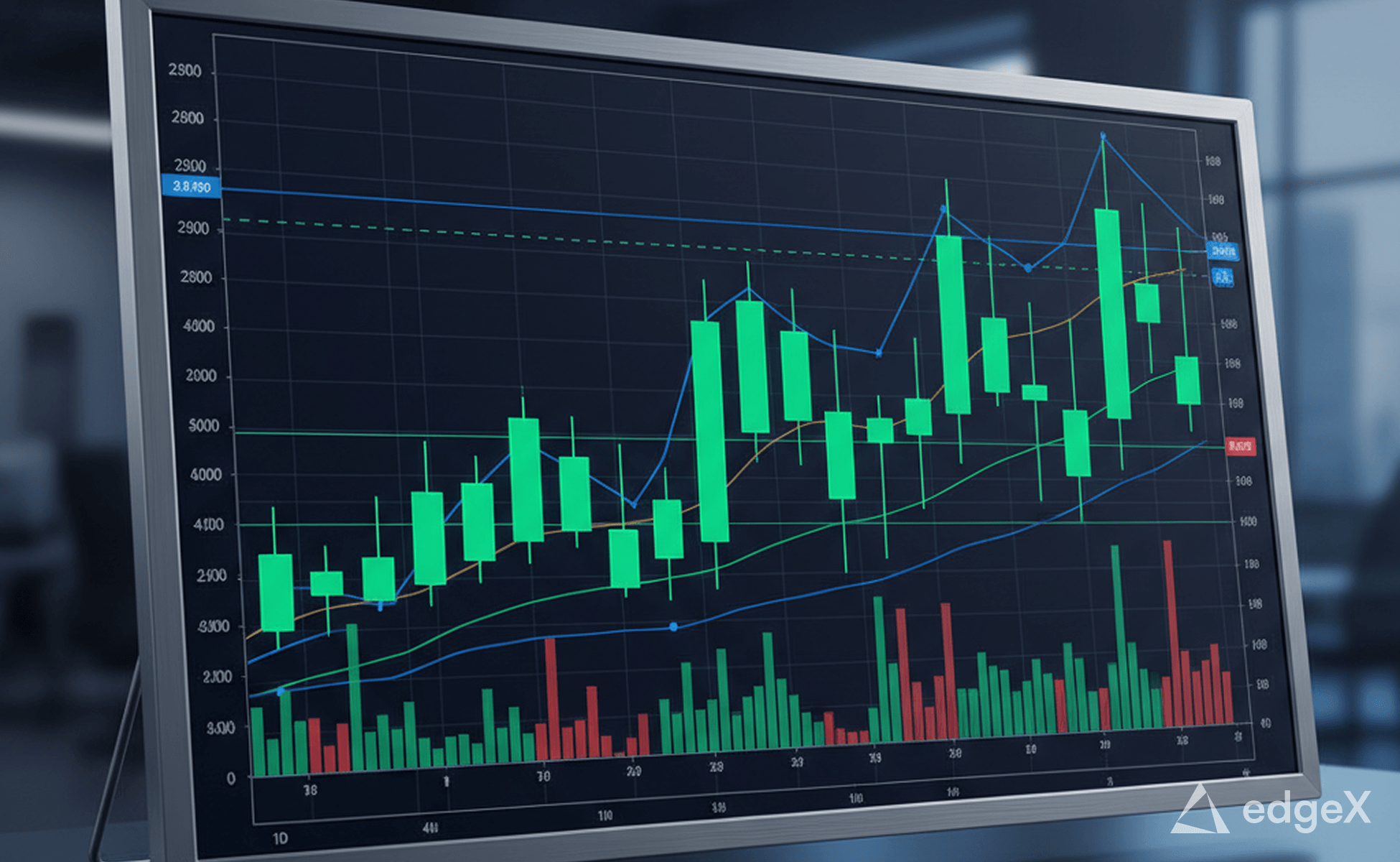
Bitcoin briefly climbed above $87,000 on Friday before giving back much of its advance, after a sharply weaker-than-expected U.S. jobs report for September upended Federal Reserve expectations and helped drive the Nasdaq 100 to an all-time high. The report, a bond-market whipsaw and an oil reversal tied to a G7 reserve release played out across a volatile session documented in CoinDesk's live coverage.
Markets position ahead of the jobs report
Ahead of the release, bitcoin traded above $86,000, up almost 2% over the past 24 hours, as markets awaited the week's biggest macroeconomic event. The unemployment rate was expected to hold steady at 4.1%, with nonfarm payrolls forecast to rise by 90,000.
Precious metals were also edging higher, with gold trading just below $4,200 an ounce and silver above $61. WTI crude oil had fallen 4% over the past 24 hours to below $90 a barrel, while the U.S. 10-year Treasury yield eased slightly to 5.22%. Tech futures were up roughly 0.60%, and the U.S. Dollar Index (DXY) remained strong above 102.
U.S. jobs data disappoints
The U.S. labor market showed weakness in September, potentially giving the Federal Reserve room to hold interest rates steady even as inflation remains elevated.
The U.S. added 29,000 jobs in September, according to the government's Nonfarm Payrolls Report released Friday morning. That was well below the consensus forecast of 90,000 and compared with August's gain of 133,000, which was revised down from an originally reported 162,000. July's figure was revised from a 21,000 gain to a loss of 10,000.
The unemployment rate rose to 4.2%, versus expectations of 4.1% and August's reading of 4.1%.
Average hourly earnings rose just 0.1% on the month, well short of forecasts for 0.3% and August's 0.3%. On a year-over-year basis, average hourly earnings were up 3%, against forecasts of 3.2% and August's 3.1%.
Revisions of that scale draw scrutiny because they can reshape the underlying trend in hiring — the labor-market momentum the Federal Reserve weighs, alongside inflation, under its dual mandate of maximum employment and price stability.
Immediate market reaction
Already higher on the session, bitcoin traded just under $87,000 in the minutes following the release. U.S. stock index futures added to gains, with the Nasdaq rising 1.2%. The 10-year Treasury yield slumped by 7 basis points to 5.17%, and the 2-year yield fell by a similar margin to 4.71%. Gold gained more than 1%, and the greenback fell against major currencies.
Nasdaq 100 hits all-time high
Ten minutes into the U.S. trading session, and following the soft jobs report, the Nasdaq 100 was up more than 1% on Friday, hitting an all-time high and trading just shy of 31,000. The S&P 500 had gained 1%, putting it less than 1% below its all-time high. Bitcoin was trading above $87,000, up more than 2.5%.
The U.S. Dollar Index (DXY), Treasury yields and oil prices were extending their declines, supporting gains in risk assets.
October rate hike nearly off the table
Traders all week had been shedding bets on a Federal Reserve rate hike later this month. According to CME FedWatch, which compiles its numbers from trader movements in short-term interest rate futures, the odds of a Fed move on Oct. 28 stood at 70% just days ago. They had fallen to about 25% early Friday following dovish remarks from the Fed's John Williams on Wednesday and Philip Jefferson on Thursday.
After the disappointing September jobs numbers — which included sizable downward revisions for July and August — the odds of a hike this month plunged to just 13%.
Looking to the next meeting in December, there is now a 25% chance the Fed doesn't hike at all for the rest of 2026. Those odds were less than 10% earlier in the week.
Still to come in the days ahead is September inflation data. The CPI report, due Oct. 14, is the next scheduled reading on the inflation half of that mandate.
Crypto and bond gains prove fleeting
While crypto prices remained in the green on Friday, a sizable reversal unfolded over the following 90 minutes. After jumping above $87,000 on the weak U.S. jobs numbers — which suggested monetary policy might be far easier than previously thought — bitcoin quickly shed about $2,000 to trade at $85,300, up 1.7% over the past 24 hours.
The bond market saw similar action. The U.S. 10-year Treasury yield fell as low as 5.15% on the weak data, but bond sellers quickly stepped in, sending it back to 5.26%, up 4 basis points on the day. The 2-year yield climbed to 4.81% after sliding back to 4.71%.
The reversal could reflect profit-taking, or lingering concerns that the U.S. CPI report, due Oct. 14, could still lead the Fed to hike rates despite the employment slowdown. Stocks continued to hold not far from session highs, with the Nasdaq up 1.2%.
Weak jobs report pressures dollar, LMAX strategist says
A weaker-than-expected U.S. jobs report could pressure the dollar and give risk assets, including bitcoin, more room to rise.
U.S. payrolls rose by 29,000 in September, well below expectations for about 90,000, while unemployment climbed to 4.2%. Wage growth also missed forecasts.
LMAX Group market strategist Joel Kruger said the data strengthens the case for an unwind of crowded bets on a stronger dollar. That could push Treasury yields lower and reduce the U.S. rate advantage — conditions that can support risk assets such as bitcoin. Kruger also said lower oil prices could reduce pressure on the Federal Reserve to tighten policy.
Bitcoin briefly rose above $87,000 during U.S. morning hours before retreating to $85,500.
Bitcoin's next key level is $90,000, 21Shares says
Bitcoin is testing $87,000 after breaking through resistance between $85,000 and $86,000, putting $90,000 in focus as its next potential hurdle.
Matt Mena, senior crypto research strategist at 21Shares, said the weaker-than-expected U.S. jobs report could help bitcoin clear $87,000, a level that has capped the cryptocurrency for much of the year. If bitcoin through that resistance, Mena sees $90,000 as the next key level, followed by $97,000.
He said softer economic data could support risk assets as expectations for Federal Reserve rate hikes decline, while strong spot bitcoin ETF inflows could provide added support. Spot bitcoin ETFs hold the asset directly and have broadened institutional access to the market since their U.S. launch, making daily fund flows a widely watched gauge of demand.
Crude oil turns higher following G7 reserve release
The price of Brent crude fell to as low as $98.44 early Friday, bottoming at about the exact moment French President Emmanuel Macron said the G7 had agreed to release as much as 100 million barrels of diesel fuel and oil from reserves, as NBC News reported.
It has been a straight climb since, with Brent up about $4 per barrel at $102.35. WTI crude oil suffered a similar reversal, trading at $91.36 after having tumbled to $88.
Energy costs feed directly into consumer price indexes, one reason swings in crude tend to draw added attention when an inflation report is on the calendar.
French bond yield spread to Germany continues to rise
A sharp drop in the German 10-year Bund yield, combined with continued gains in the French 10-year OAT yield, has widened the spread between the two to 152 basis points, according to figures shared on X. The spread is closely watched as a barometer of the extra yield investors demand to hold French debt over German Bunds, the eurozone's benchmark government bond.
That spread typically sits in the 50–80 basis point range. During the European debt crisis of 2011, it blew out to roughly 190 basis points, so current conditions are approaching those levels.
The difference now: inflation in 2011 was more or less nonexistent, allowing the European Central Bank to provide the monetary ease needed to defuse the crisis. The ECB today, though, is dealing with growing inflation issues and has been in policy-tightening mode.
Amazon price issue suggests inflation might be worse than thought
Adam Simecka, founder of bitcoin wallet Manna, said he experienced a “live price change” when buying AA batteries on Amazon, with the price increasing between the time he added the item to his cart and the time he checked out (post).
“This is the new normal,” he wrote in a post on X. “Hope you have some bitcoin.”
“When you add an item to your cart, the price shown isn't locked in,” wrote Amazon in response. “The price can go up or down between when you add it to your cart and when you actually buy it.”

