Bitcoin Stalls Below $83K as $14B Options Expiry Approaches
Key Takeaways
- •Bitcoin briefly rose above $80,000 on Aug. 27 before retreating toward $76,000, then recovered to around $81,257 on Thursday afternoon.
- •Long-term holder supply between $83,000 and $86,000 is the main upside barrier, while a dense accumulation zone at $62,000-$65,000 offers the strongest nearby support.
- •The share of bitcoin supply held at profit rose from 65% in May to 68% in late August, creating a larger pool of potential sellers.
- •U.S. spot bitcoin ETFs averaged $338 million in daily inflows over a nine-day period, but secondary-market turnover stayed below $3 billion per day.
- •The Sept. 25 quarter-end options expiry carries roughly $14 billion in open interest across Deribit and IBIT, and the U.S. 10-year Treasury yield has climbed to 4.8%.
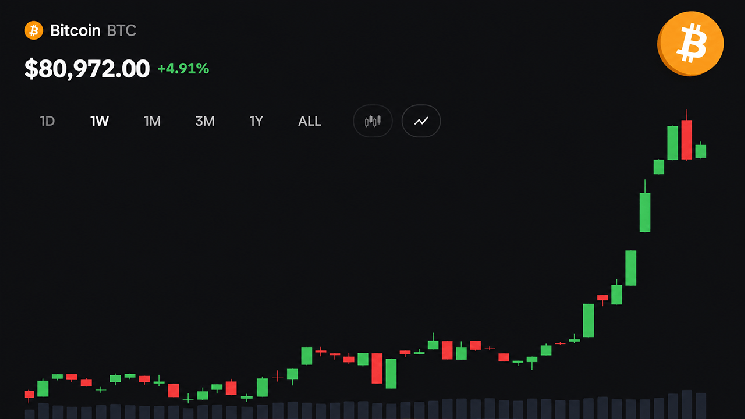
Bitcoin Tests Heavy Supply Zone After Brief Move Above $80K
Bitcoin’s late-August rebound has hit a familiar obstacle: substantial supply overhead.
After a short squeeze cleared a large amount of bearish leverage, bitcoin briefly rose above $80,000 on Aug. 27. The advance stalled almost immediately, and the price fell back toward $76,000, setting off a fresh wave of long liquidations.
The current market structure leaves bitcoin boxed between two key zones. Short-liquidation liquidity is concentrated between $83,000 and $86,000, while long-liquidation exposure sits much lower, around $60,000 to $63,000. That makes the next breakout increasingly consequential, because a move through either band would force leveraged positions on the wrong side to close, compounding the price move.
Bitcoin Faces Heavier Selling Pressure Near Previous Highs
Onchain data from Glassnode shows bitcoin is meeting more potential sellers at current prices than it did earlier this year. When bitcoin traded near $78,000 in May, about 65% of the circulating supply was held at a profit. By the time the price returned to that level in late August, the figure had climbed to 68%.
The difference reflects summer accumulation, which pushed the short-term holder cost basis toward $71,000. As a result, more investors are sitting on unrealized gains at the same nominal price, creating a larger pool of holders who may sell into strength.
The broader price structure is also coming into focus. A dense accumulation zone between $62,000 and $65,000 provides the strongest nearby support, while long-term holder supply between $83,000 and $86,000 remains the main barrier to further upside. Until one side gives way, bitcoin is effectively trading inside that range.
Macro Pressure and Options Market Could Keep Bitcoin Pinned
Institutional demand has not vanished, but it has lacked force. U.S. spot bitcoin exchange-traded funds (ETFs) absorbed an average of $338 million per day over a nine-day period that drew inflows of $3.04 billion at the peak of the recent rally. Even so, daily secondary-market turnover stayed below $3 billion, well below levels seen in stronger expansion phases. That contrast matters because ETF inflows only translate into sustained price support when they run materially ahead of what sellers elsewhere in the market are offering.
Macro conditions have also turned less supportive. The U.S. 10-year Treasury yield climbed back to 4.8%, reaching new cycle highs just eight trading sessions after falling toward 4.6%. Higher yields tend to pressure risk assets by raising discount rates and reducing the appeal of speculative exposure.
Attention now shifts to the Sept. 25 quarter-end expiry, which carries roughly $14 billion in open interest across Deribit and IBIT. Large expiries like this are closely watched because the strike levels with heavy open interest tend to act as price magnets into the event, and positioning often gets unwound or rolled afterward, which can add volatility on both sides. For bitcoin traders, the message is straightforward: $83,000 to $86,000 is the ceiling that matters. Unless buyers absorb that supply, the market remains vulnerable to another move toward the lower end of the range.
Bitcoin did jump to the $81,000 zone on Thursday afternoon as macro pressures eased. The leading crypto asset tapped an intraday high of $81,364 on the five-minute Bitstamp candle at 12 p.m. Eastern time. As of 2 p.m. EDT, BTC was trading at $81,257 per unit.
Source: Bitcoin.com Markets

