Bitcoin Unmoved as Trump Vows to Strike Iran
Key Takeaways
- •Bitcoin traded flat at $79,076 on Monday despite President Trump vowing to hit Iran hard and the U.S. and Iran resuming strikes after more than a month.
- •Bitcoin is up nearly 30% over the past month, its best run in three years, after the U.S. Treasury said it would at least double its liquidity-support buyback operations.
- •Crypto ETFs drew $3.2 billion in inflows last week, the largest weekly intake since October 2025, led by BlackRock's IBIT with $928 million.
- •President Trump called the proposed Clarity Act 'very, very powerful' legislation; it would distinguish whether digital assets are securities, commodities, or payment stablecoins.
- •Bitcoin reached as high as $81,281 last week before pulling back on Friday.
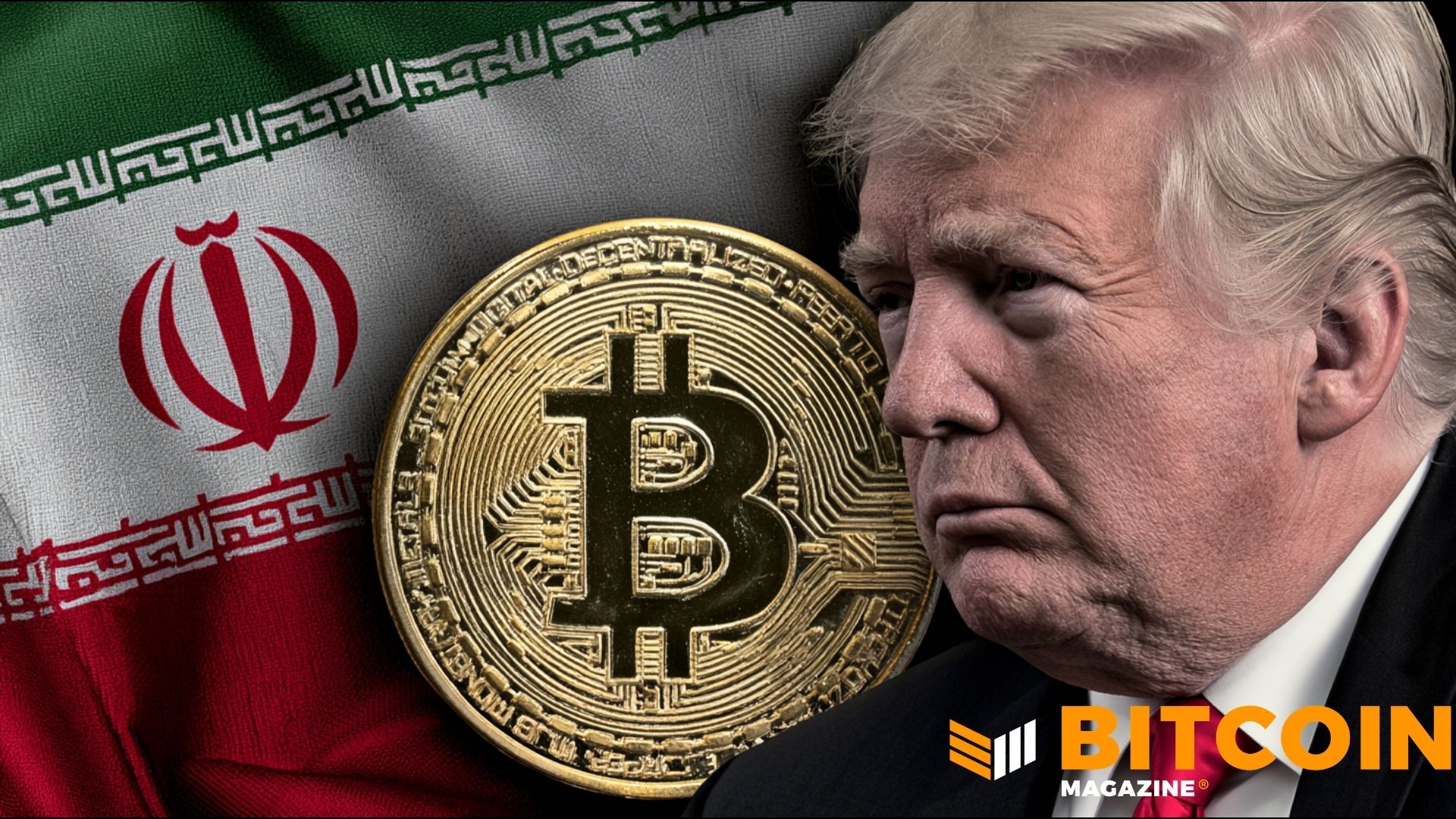
Bitcoin shrugged off fresh tensions in the Middle East on Monday, barely moving despite U.S. President Donald Trump vowing to hit Iran hard.
The price of the biggest cryptocurrency recently stood at $79,076, unchanged over a 24-hour period. The coin has also not moved from where it stood seven days ago.
Geopolitical strife has weighed on Bitcoin's price this year, with the cryptocurrency typically facing downward pressure on news of war and rallying on hopes of a ceasefire. When the U.S. and Israel first attacked Iran in February, the coin nosedived, and it had been shaky on war news in March and April.
In recent months, however, Bitcoin's volatility has been muted, according to analysts, and Monday was no different: President Trump promised to hit Iran again, but the asset didn't flinch. That marks a shift in the coin's behavior: earlier in the year, geopolitical headlines drove sharp moves, whereas Bitcoin now appears to be taking its cue more from monetary policy and capital flows into crypto investment products than from war news.
"We're going to hit them hard," President Trump was quoted telling a Fox News reporter on Monday. The U.S. and Iran resumed strikes on Sunday — the first in over a month.
Bitcoin began a phenomenal run two weeks ago — its best in three years — and is up nearly 30% over the past month.
Its price started surging after the U.S. Treasury said it would at least double the size of its liquidity-support buyback operations. The announcement hurt the dollar, but non-yielding assets like bitcoin and gold have benefited. The dynamic mirrors a broader pattern seen in markets where expectations of looser dollar liquidity tend to pressure the currency and lift assets perceived as hedges against debasement.
Positive regulatory news has also helped bitcoin this month: President Trump last week said the long-awaited crypto Clarity Act was a "very, very powerful" piece of legislation, and urged lawmakers to get it over the line. The Clarity Act aims to establish a framework for distinguishing between digital assets that are securities, commodities or payment stablecoins — legislation the crypto industry has long called for. Industry participants have argued that such legal clarity could make it easier for institutions to engage with digital assets in the United States.
JUST IN: Crypto ETFs attracted $3.2 billion in inflows last week, "their largest weekly intake since October 2025", The Kobeissi Letter reports. BlackRock's IBIT led with $928 million last week, adding to their $1.3 billion from the prior week, and marking the biggest 2-week… pic.twitter.com/ROC9tYPMGN — Bitcoin Magazine (@BitcoinMagazine) August 31, 2026
Investors have also piled back into exchange-traded funds this month, which has supported bitcoin's price. From August 17 to 27, investors put over $2.8 billion into the vehicles — the most since October.
Bitcoin reached as high as $81,281 last week before sliding again on Friday. With the strikes between the U.S. and Iran newly resumed and the Clarity Act still awaiting final passage in Congress, both geopolitical and regulatory headlines remain in focus for the coin's near-term direction.
This post first appeared on Bitcoin Magazine and is written by Mathew Di Salvo.
