Bitcoin Outlook Darkens as Analysts Warn of Further Losses Amid US Rate-Hike Concerns
Key Takeaways
- •Bitcoin dropped 24 percent in a month, falling from about $83,000 to $63,000 during a 12-day losing streak from Nov. 9 to Nov. 20, and now sits 40 percent below its yearly peak of roughly $105,000.
- •Citigroup reduced its 12-month Bitcoin price target to $99,532 from $113,000 and downgraded its near-term fund-flow outlook to neutral after year-to-date net flows into Bitcoin ETFs turned negative.
- •Market maker Wintermute cautioned that Bitcoin could sink into the $50,000 range, framing the downturn as a bear-market continuation after the 200-week moving average was breached.
- •Galaxy Digital CEO Mike Novogratz expects the Federal Reserve to raise rates by 25 basis points in December with further hikes ahead, and said Bitcoin is now less likely to regain $90,000, citing hacking incidents as added uncertainty.
- •Bitwise's Matt Hougan and Grayscale remain constructive on long-term fundamentals, with Hougan flagging Bitcoin's June low of $58,000 as the key support level to hold ahead of the Fed's December decision.
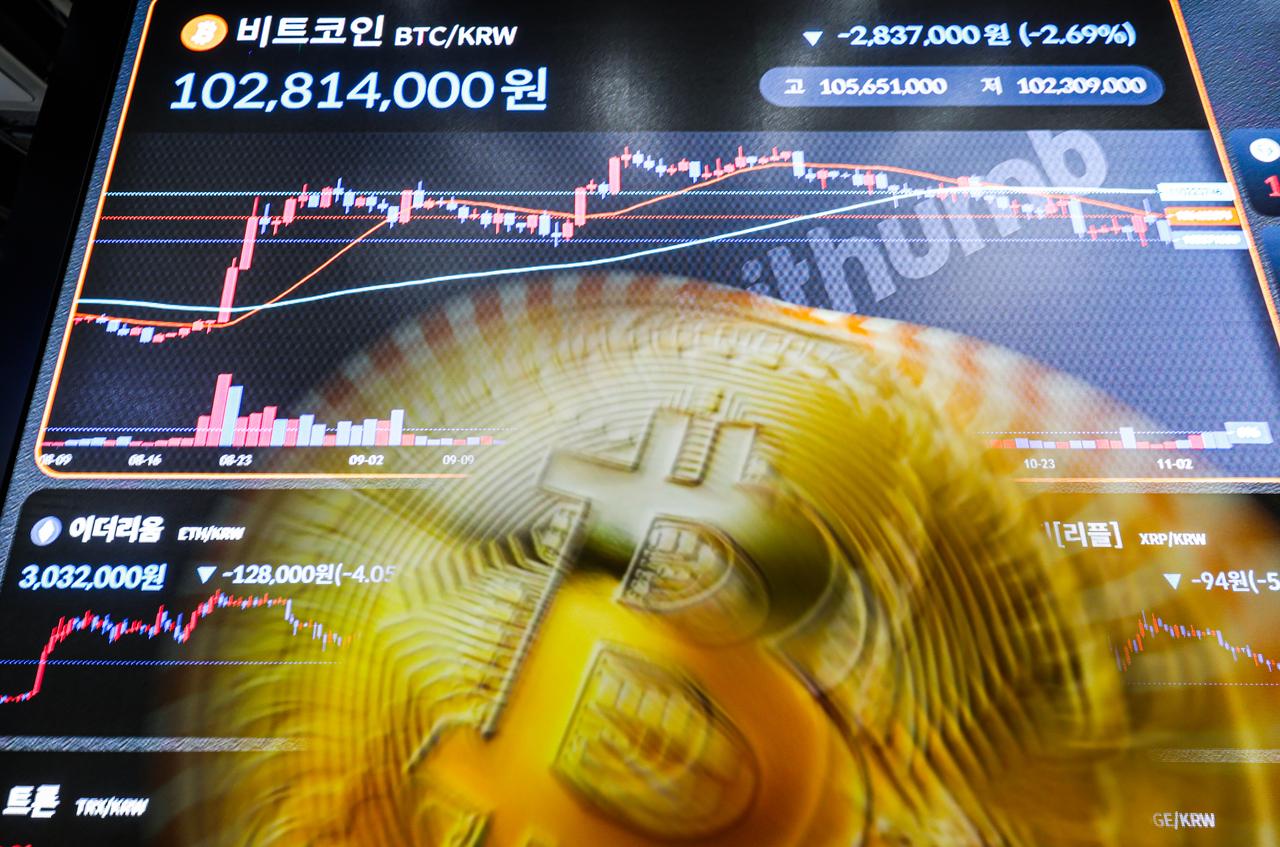
Pessimism is spreading across the cryptocurrency market, with analysts who months ago predicted Bitcoin would hit a record high by year-end now warning of further losses amid a lack of positive catalysts and rising uncertainty over US interest rates.
The selling has been relentless. Bitcoin fell for 12 consecutive days from Nov. 9 to Nov. 20 without a single rebound, shedding 24 percent over the past month as it dropped from around $83,000 to $63,000. The cryptocurrency now sits 40 percent below its year-to-date high of roughly $105,000, while many altcoins have fared even worse, down more than 50 percent from their respective peaks — a familiar pattern in crypto downturns, where smaller and more speculative tokens tend to amplify Bitcoin's swings.
The sell-off reflects a combination of negative factors and a lack of buying interest. Heavy outflows from spot exchange-traded funds (ETFs) and breaches of key technical support levels have turned even previously bullish analysts cautious, with many now expecting additional losses before the end of the year. Analysts identified expectations of higher US interest rates as the market's biggest headwind. The rate outlook carries unusual weight for Bitcoin because, unlike stocks or bonds, the asset generates no cash flow, leaving its price heavily dependent on liquidity conditions and investor appetite for risk.
Citigroup said Bitcoin is unlikely to top $100,000 over the next 12 months, cutting its 12-month price target to $99,532 from the $113,000 level set just last month. In a report, the bank said it downgraded its near-term outlook for fund flows to "neutral" after Bitcoin fell below its 200-day moving average, a long-term trend indicator many traders treat as a dividing line between bullish and bearish momentum. "ETF demand has weakened further, and year-to-date net flows into Bitcoin ETFs have turned negative," Citigroup said. Those flows carry outsized significance because spot Bitcoin ETFs, which US regulators approved in January 2024, quickly became a primary channel for institutional money entering the market.
Wintermute, a cryptocurrency market maker, warned that Bitcoin could fall to around $50,000. The firm views the current downturn as an extension of the bear market rather than a short-term correction, drawing comparisons to 2022, when rising interest rates dragged down bonds, gold and cryptocurrencies. "With fund flows still negative and the 200-week moving average breached, Bitcoin faces further downward pressure and could fall into the $50,000 range," Wintermute said. The 200-week moving average, built on roughly four years of price history, is watched by long-term traders as a gauge of deep-cycle support.
Mike Novogratz, CEO of Galaxy Digital, also expects the Federal Reserve to raise its benchmark rate by 25 basis points in December, with further hikes to follow. "Bitcoin is now less likely to recover to $90,000," he said, citing recent hacking incidents as another source of market uncertainty.
Still, some analysts anticipate a rebound next year, arguing that the market's underlying fundamentals remain strong. Matt Hougan, chief investment officer at cryptocurrency asset manager Bitwise, noted that Bitcoin has held above its June low of $58,000. "If it holds this support level over the next few weeks, 2027 could be a good year," he said.
Grayscale also pointed to strong long-term fundamentals, citing wider institutional adoption of stablecoins and tokenized assets and continued demand for alternative stores of value amid persistent fiscal deficits. "The market has quickly moved into oversold territory, making current price levels attractive for investors with a medium- to long-term investment horizon," the cryptocurrency asset manager said.
Against that backdrop, the markers to watch in the coming weeks are the Federal Reserve's December rate decision, the direction of ETF flows, and whether Bitcoin can defend the $58,000 June low that Hougan identified as the level to hold.
This article is based on reporting by Korea Herald Business.

