Samsung Signals Record Shareholder Payouts as Bitcoin and Oil Extend Rallies
Key Takeaways
- •Samsung Electronics said shareholder returns could reach 90 trillion to 110 trillion won, roughly $64.5 billion to $78.9 billion, in 2026, about five times its previous annual record.
- •Bitcoin rose about 22% for the week to trade near $77,169, its strongest weekly performance in more than two years, with over $1.2 billion in short positions liquidated.
- •Brent crude climbed 0.76% to $94.49 a barrel as US sanctions threats against Iran and heavily disrupted Strait of Hormuz shipping raised supply concerns.
- •Gold gained 2.4% to $4,623.94 an ounce, its highest level since May 15, supported by a weaker dollar and expectations of a less restrictive Federal Reserve outlook.
- •Samsung also plans to spend more than 110 trillion won on facilities and research and development in 2026, including advanced semiconductor technologies.
Markets delivered a broad rally on Friday. Samsung Electronics outlined a potential record shareholder payout as AI-memory demand strengthens its cash generation, Bitcoin extended its strongest weekly rally in more than two years, and oil prices climbed as fresh US sanctions threats against Iran raised concerns about further supply disruptions. Gold also surged to a more than three-month high as Treasury buybacks pressured the dollar and boosted demand for the precious metal.
Samsung plans record shareholder returns
Samsung Electronics said shareholder returns could reach between 90 trillion won and 110 trillion won, or roughly $64.5 billion to $78.9 billion, in 2026. The potential payout would be around five times Samsung's previous annual record and comes as the artificial intelligence boom drives strong demand for memory chips. Samsung, the world's largest memory-chip maker by revenue, has faced repeated investor calls for stronger payouts in recent years, making the new guidance a notable shift for a company long viewed as conservative on returns.
The announcement follows SK Hynix's decision to buy back and cancel 40 trillion won of shares. SK Hynix has also raised its shareholder-return policy to at least 50% of cumulative free cash flow for 2025-2027. Samsung's existing 2024-2026 policy calls for returning 50% of free cash flow, including 9.8 trillion won in regular annual dividends. Samsung did not specify how the potential returns would be split between dividends and buybacks, a detail investors will be watching for as the plan is finalized.
The company also plans to spend more than 110 trillion won on facilities and research and development in 2026, including investments in advanced semiconductor technologies.
Kim Dong-won, head of research at KB Securities, said Samsung's free cash flow is rising rapidly because of the AI-memory boom. He added that future valuation gains could increasingly depend on how the company distributes its cash.
Bitcoin extends powerful weekly rally
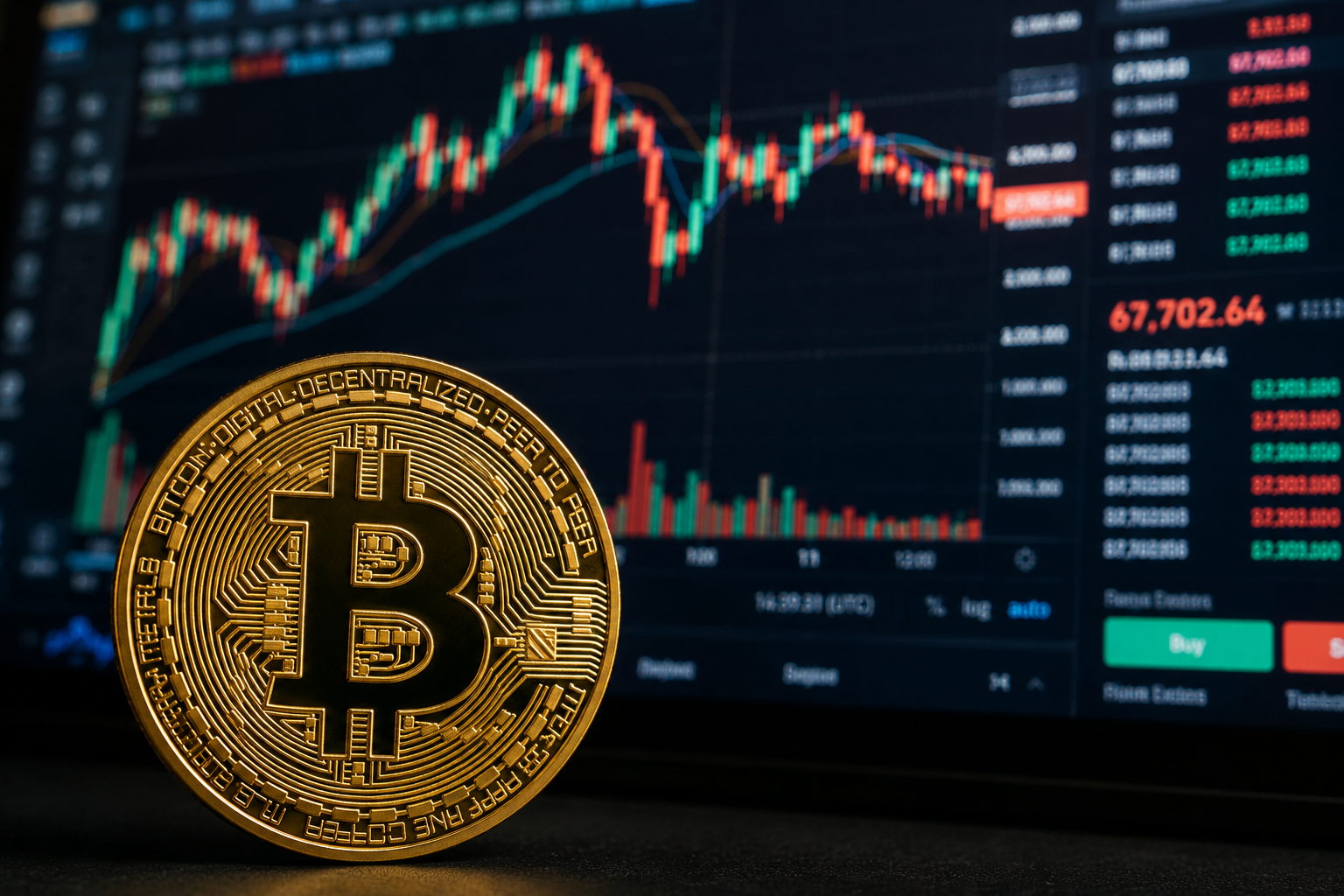
Bitcoin was on track for its strongest weekly performance in more than two years, rising about 22% for the week and trading near $77,169.
The cryptocurrency has benefited from several catalysts, including the US Treasury's decision to increase longer-duration debt buybacks. The move pushed bond yields lower initially, supporting risk-sensitive assets. US President Donald Trump also called for Congress to pass legislation that would establish a regulatory framework for cryptocurrencies. The bill faces a procedural vote on September 15, the next scheduled test of that legislative push.
Short covering added to the rally, with more than $1.2 billion in Bitcoin short positions liquidated, according to Fundstrat. Such liquidations can amplify gains because traders who had bet against the cryptocurrency are forced to buy it back to exit their positions.
The gains spread to crypto-related equities, with Robinhood rising 13%, Coinbase gaining 7.9% and Strategy advancing 6.2%. Analysts said Bitcoin's rally is also being supported by spot and exchange-traded fund demand — a channel created when US regulators approved spot Bitcoin ETFs in January 2024, opening the market to mainstream investors — although some cautioned that the cryptocurrency would need to remain above $70,000 for the rally to demonstrate greater durability.
Oil rises as Iran tensions escalate
Brent crude rose 0.76% to $94.49 a barrel, while West Texas Intermediate gained 0.33% to $87.12. Both benchmarks were heading for weekly gains, with Brent up more than 6% and WTI more than 5% during the week.
Oil prices have been supported by concerns about supply disruptions as tensions between the US and Iran persist. President Donald Trump threatened economic sanctions on Iran's trading partners, while Tehran warned that its response to further US threats would be severe.
Shipping through the Strait of Hormuz also remained heavily disrupted. Seven commodity ships crossed the waterway on Thursday, according to Kpler data, down from the previous day's tally. The Strait of Hormuz is one of the world's most critical oil chokepoints, with roughly a fifth of globally traded oil passing through it, and Iran has periodically threatened to close the waterway, though it has never done so. Alternative supplies from sources including US shale, pipelines and other producers have helped offset some of the disruption.
Gold reaches three-month high
Gold climbed 2.4% to $4,623.94 an ounce, after earlier touching $4,631.99, its highest level since May 15. The metal was on track for a third consecutive weekly gain, with prices rising more than 5% during the week.
Gold has benefited from a weaker US dollar and expectations that the Federal Reserve's policy outlook could remain less restrictive. Because gold is priced in dollars and pays no interest, a softer dollar and the prospect of a less restrictive rate path both reduce the cost of holding it, particularly for overseas buyers. The metal also moved above its 200-day moving average of around $4,513, a level viewed by technical analysts as significant.
Bart Melek, global head of commodity strategy at TD Securities, said the move was driven partly by technical factors and the weaker dollar. Goldman Sachs also pointed to stronger demand for gold call options and renewed interest in the metal as a hedge against macroeconomic and policy risks.
Silver, platinum and palladium also advanced on Friday and were heading for weekly gains.

