Crypto market outlook for Q4 2026: the signals to watch
Key Takeaways
- •Bitcoin and Ethereum are both down on the year, with Bitcoin trading around USD 78,000 to 79,000 and Ethereum near USD 2,400 to 2,500 in late August.
- •US debt moved above USD 40 trillion in mid-August, and the Treasury doubled long-term bond buybacks before Bitcoin staged a weekly rally of roughly 23% to 27%.
- •The article says ETF flows, fiscal conditions and global liquidity are increasingly influencing crypto prices alongside the traditional four-year cycle.
- •Stablecoin supply is estimated at about USD 300 billion to 320 billion, while tokenized real-world assets, especially Treasuries, are reaching new highs.
- •Year-end scenarios range from a Bitcoin move toward USD 85,000 to 100,000 if conditions ease, to USD 110,000 to 150,000 in a more constructive case, or a return to USD 55,000 to 65,000 if macro conditions worsen.
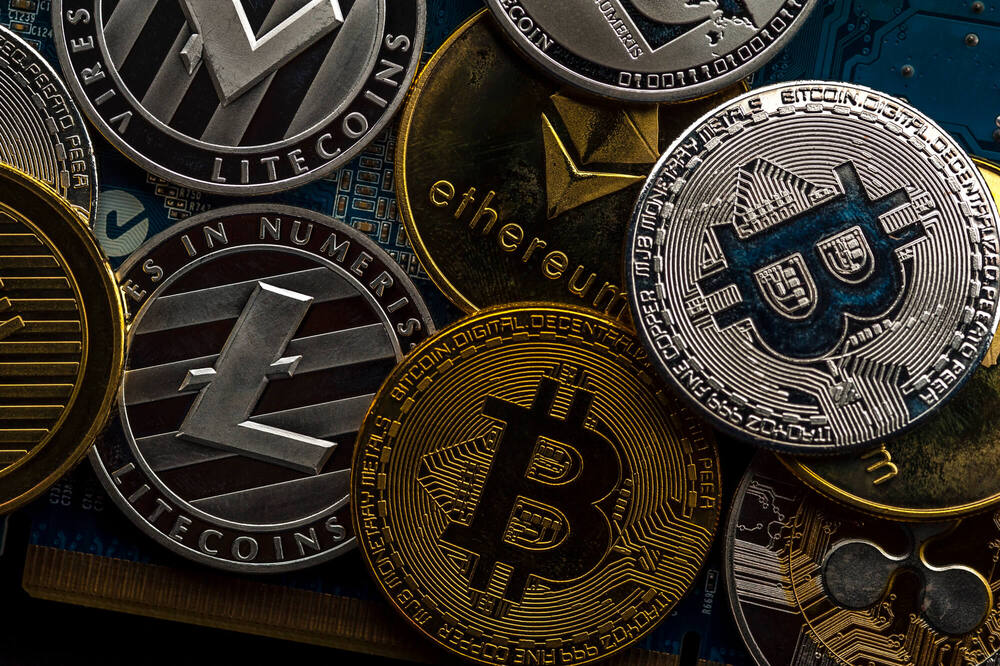
Bitcoin is trading near USD 78,000 to 79,000 and Ethereum around USD 2,400 to 2,500 as of late August. Both are down on the year, setting the backdrop for the crypto market outlook after Bitcoin's October 2025 peak near USD 126,000.
Overall, the market has given back a significant portion of last year's gains. The key question heading into Q4 2026 is whether current conditions can support a more stable market structure, especially after a year in which macro signals have increasingly shaped how crypto trades alongside its own internal cycle.
What changed in mid-August
A clearer picture of the current phase emerged in mid-August. US debt crossed USD 40 trillion, and the Treasury doubled long-term bond buybacks. Bitcoin then rallied 23% to 27% in a single week alongside gold, while ETF inflows also picked up. The move coincided with wider discussion about fiscal sustainability, currency debasement and demand for hard assets.
However, the available data does not prove that those factors were the only cause of the rally. Even so, they may have helped shape how the market interpreted the move.
The timing suggests that macro factors were central to the mid-August rally. Compared with earlier cycles, ETF flows, fiscal conditions and global liquidity are increasingly influencing price action alongside crypto-native factors. That matters because it means the market's ability to sustain the recovery may depend in part on institutional flows and broader liquidity conditions, not just on sentiment within digital assets. Reaction to incoming macro data also matters.
The four-year cycle in context
That shift also puts the four-year cycle into perspective. Bitcoin's October 2025 peak came approximately 18 months after the 2024 halving, broadly within the range seen historically. The cycle framework may still be a useful reference.
At the same time, each halving now removes a smaller share of new supply relative to total circulating Bitcoin. Institutional participation, global liquidity and ETF flows may therefore play a more visible role in price discovery. Their relative importance remains difficult to measure precisely.
Q4 seasonality can still offer a useful lens, but it should not be treated as a reliable standalone indicator, particularly when macro releases and fund flows are moving the market at the same time.
Key drivers and sectors to watch
The macro environment heading into Q4 centers on several variables: interest-rate expectations, inflation, the US dollar, Treasury liquidity operations and signals from the Federal Reserve. A softer dollar and lower rate-hike expectations may support broader liquidity conditions. Historically, that mix has been constructive for crypto in some periods.
The main risk is an inflation surprise that pushes expectations toward tighter policy. In that case, a more hawkish policy signal could contribute to a stronger dollar, tighter financial conditions and weaker risk appetite. Much of that still depends on how markets interpret incoming data, which is why the release calendar matters as much as the policy backdrop.
Within the crypto market, continued Bitcoin ETF inflows, an expanding stablecoin supply and regulatory progress may influence institutional participation. The effect varies by rule, product and jurisdiction.
Two sectors remain especially important to monitor: stablecoins and tokenized real-world assets. Stablecoin supply is around USD 300 billion to 320 billion and continues to grow alongside payment and institutional use cases. Tokenized RWAs, especially Treasuries, continue reaching new highs. Both sectors address identifiable needs around payments, settlement and access to traditional assets, which gives them a more direct path than most.
Other areas are less settled. L2 activity remains concentrated among leading networks, and DeFi TVL has been range-bound. AI-crypto applications and compliant tokenization platforms may also be worth watching through year-end. Their longer-term relevance may depend on whether they can show sustainable liquidity, repeat usage and clearly defined product structures.
The crypto market outlook until year-end
The direction from here is not fixed. ETF flow data, inflation prints and monetary policy are likely to tell investors more about Q4 than any crypto-specific development.
One possible scenario is that Bitcoin remains range-bound in the near term. If ETF flows stay positive and macro conditions become less restrictive, prices could test the USD 85,000 to 100,000 area.
A more constructive scenario combines sustained trade momentum with greater regulatory clarity. That combination could support a move toward USD 110,000 to 150,000.
By contrast, a more hawkish-than-expected macro outcome or a significant liquidity shock could increase downside volatility. In that case, the USD 55,000 to 65,000 area could return to market discussions.
Related articles
- Star investor Ray Dalio considers Bitcoin inferior to gold
- House of Satoshi launches Bitcoin ETP with AI-driven allocation
- What is Dogecoin? From satire project to ETF asset
Disclaimer: This article is provided for general informational purposes only and does not constitute investment, legal, or financial advice, nor an offer or solicitation to buy or sell any financial instruments or digital assets. Any views expressed are based on current market observations and are subject to change. Past performance is not indicative of future results. Digital assets are volatile and may not be suitable for all investors. Readers should conduct their own independent research and seek professional advice before making any investment decisions. Restrictions may apply.

