One Year After the $19 Billion Liquidation Crash, Bitcoin Has Yet to Reclaim Its Record High
Key Takeaways
- •The Oct. 10, 2025 crash wiped out more than $19 billion in leveraged positions and liquidated over 1.6 million trading accounts after President Trump announced a 100% tariff on Chinese imports.
- •Roughly 70% of the losses, about $6.93 billion, hit within a 40-minute window, with $3.21 billion liquidated in a single minute, and long positions absorbed $16.7 billion of the total.
- •Perpetual futures open interest collapsed 43% in one day, from $217 billion to $123 billion, and some market makers estimate the true liquidation total was between $30 billion and $40 billion.
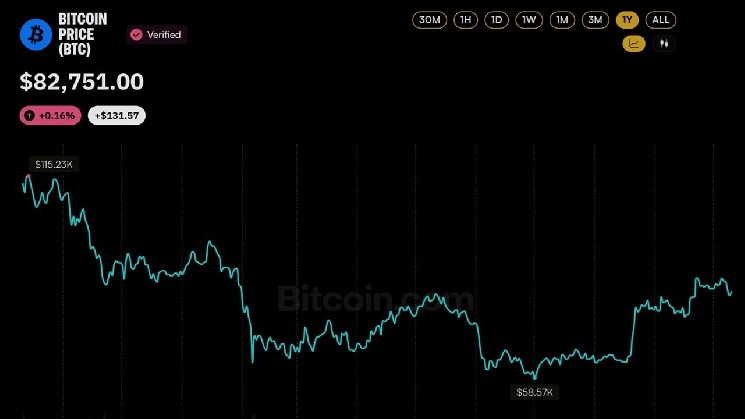
- •Bitcoin now trades near $82,700 versus the $126,080 record set four days before the crash, while total crypto market capitalization has dropped about $738 billion to roughly $1.66 trillion.
- •Repeat leverage episodes occurred in 2026, including a Feb. 1 'Black Sunday II' event that erased about $2.2 billion in positions within 24 hours, and roughly $3.3 billion in current bitcoin shorts face liquidation up to $85,000.
One Year After the $19 Billion Liquidation Crash, Bitcoin Has Yet to Reclaim Its Record High
One year after the largest liquidation event in cryptocurrency history, bitcoin has not reclaimed the record high it set just four days before the crash. The asset traded near $82,700 this week, well below the $126,080 peak of Oct. 6, 2025, as the market continues to absorb the fallout from a single night that erased more than $19 billion in leveraged positions.
The Night That Broke the Market
The turmoil began on Oct. 10, 2025, when President Trump announced a 100% tariff on Chinese imports. What followed was the largest liquidation event crypto has ever recorded: more than $19 billion in leveraged positions were forcibly closed and over 1.6 million trading accounts were liquidated.
The damage was heavily concentrated. Roughly 70% of the losses, about $6.93 billion, landed within a 40-minute window, and $3.21 billion was liquidated in a single minute at 21:15 UTC. Bitcoin fell from $122,574 to $104,782, while the Ethena stablecoin USDe briefly traded at $0.65. Binance later paid out more than $283 million to affected users.
Long positions bore the brunt of the losses, accounting for $16.7 billion of the total, and aggregate perpetual futures open interest collapsed 43% in a day, from $217 billion to $123 billion. Some market makers believe the true liquidation total was closer to $30 billion to $40 billion, since not every venue reports in full.
Then vs. Now
The cleanest way to measure the year is a side-by-side comparison:
- Record high: $126,080 on Oct. 6, 2025. Today, bitcoin trades at about $82,700.
- Market cap: about $2.43 trillion on Oct. 10, 2025. Roughly $738 billion has been lost since, leaving the total at approximately $1.66 trillion.
- Liquidations: $19 billion in a single night then. This week saw a $1.1 billion liquidation day on Oct. 8 that cooled to $228 million by Friday.
- ETFs: spot bitcoin exchange-traded funds now hold a large share of the market, and this week they shed more than $700 million, with-day outflows near $1 billion.
In short, bitcoin has never reclaimed the high it set four days before the crash. Every rally since has run into the memory of what leverage did that night.
Leverage Is Still the Story
The crash did not end leverage; it changed its timing. Repeat episodes followed in 2026, including a Jan. 20 flush and a Feb. 1 “Black Sunday II” event that erased about $2.2 billion in positions within 24 hours.
This week's slide to a month-to-date low of $80,308 and subsequent bounce back toward $83,000 was smaller, but it followed the same pattern: crowded longs were liquidated first, then shorts were squeezed.
Current positioning runs in the opposite direction. Onchain trackers flag roughly $3.3 billion in bitcoin shorts that face liquidation up to $85,000. If bitcoin pushes through that zone, forced buying could do to bears what Oct. 10 did to bulls, only on a smaller scale.
Either way, the lesson of Oct. 10 is less about the tariff that triggered the crash than about the leverage it exposed. The market today is smaller, and the leverage has not gone away.
This article is based on reporting originally published by Bitcoin.com News.

