Bitcoin Falls as Renewed U.S.-Iran Fighting Pushes Oil Above $105
Key Takeaways
- •Bitcoin fell more than 2% over 24 hours to around $77,208, after touching a low of $76,748, as renewed U.S.-Iran hostilities lifted oil prices above $105 a barrel.
- •Federal Reserve Chair Kevin Warsh said in his first speech as central bank head that inflation had not declined sufficiently, and traders are pricing in a rate increase at next week's Fed meeting.
- •Iran signaled it would not back down in its confrontation with U.S. forces, and Tehran-backed Houthis struck Saudi Arabian assets, intensifying upward pressure on oil prices.
- •Bitcoin recorded one of its strongest runs in August after the U.S. Treasury said it would at least double its liquidity-support buyback operations in response to surging borrowing costs.
- •Bitcoin has moved more in tandem with gold this year, as investors buy both assets as hedges against a weakening dollar in the revived debasement trade.
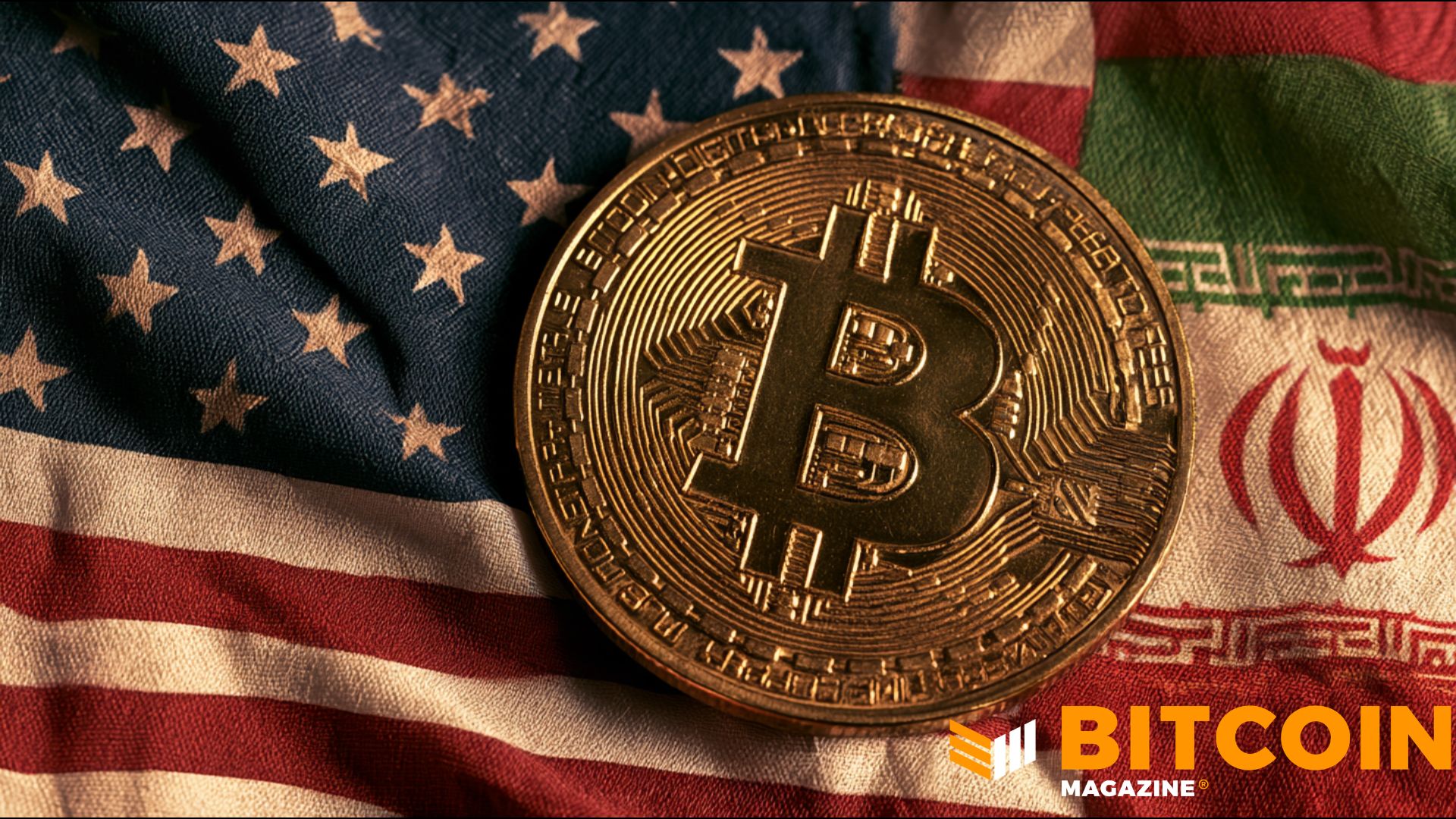
Bitcoin fell on Thursday as renewed fighting between the United States and Iran drove oil prices above $105 a barrel and increased concerns about inflation and interest rates.
The largest and oldest cryptocurrency was recently trading at $77,208 after dropping as low as $76,748, a decline of more than 2% over the previous 24 hours, according to Bitcoin Magazine.
The decline followed signals from Iran that it had no intention of backing down in its confrontation with U.S. forces. The two countries intensified attacks earlier this week in some of the heaviest fighting since the war began in February. Tehran-backed Houthis in Yemen also struck Saudi Arabian assets this week, adding to upward pressure on oil prices. Reuters reported on Iran’s latest threats and plans involving the Gulf.
Conflict in the Middle East can push oil prices higher, increasing inflationary pressure and reducing the likelihood of interest-rate cuts. Bitcoin has generally performed well in low-interest-rate environments and has experienced sell-offs when the Federal Reserve shifts toward a more hawkish policy stance.
The United States is facing an affordability crisis, while rising oil prices have become a prominent issue ahead of the midterm elections. President Donald Trump has reassured voters that prices will come under control.
Federal Reserve Chair Kevin Warsh said in his first speech as head of the central bank that inflation in the world’s largest economy had not declined sufficiently. Traders are now pricing in an interest-rate increase at the Federal Reserve’s meeting next week, making the gathering the nearest checkpoint for the rate environment currently weighing on bitcoin.
Bitcoin nevertheless recorded one of its strongest runs in August after the U.S. Treasury said it would at least double the size of its liquidity-support buyback operations in response to surging borrowing costs. The announcement weakened the dollar, while non-yielding assets such as bitcoin and gold benefited.
Although bitcoin previously traded more closely with risk-on assets such as technology stocks, it has moved more in tandem with gold this year as the so-called debasement trade has regained popularity. Investors have purchased both the largest cryptocurrency and the precious metal as hedges against a decline in the dollar.
The article first appeared in Bitcoin Magazine and was written by Mathew Di Salvo.
