Crypto Market Falls Nearly 5% as Hot US Inflation Drives $942 Million Liquidation Wave
Key Takeaways
- •September U.S. CPI data showed annual inflation rising to 3.7% from 3.4% in August, remaining above the Federal Reserve's 2% target and renewing concerns about higher interest rates.
- •Approximately $942.1 million in leveraged crypto positions were liquidated within 24 hours, with long positions representing about 92% of the total, led by Ethereum at roughly $283 million and Bitcoin at about $196 million.
- •U.S. spot Bitcoin ETFs recorded $261.46 million in net outflows on October 14, while spot Ethereum ETFs posted $129.51 million in withdrawals, combined net outflows to roughly $391 million.
- •The crypto sell-off coincided with steep losses in Asian technology shares, as South Korea's KOSPI closed 7.57% lower and Japan's Nikkei 225 fell about 5%, with Samsung Electronics and SK Hynix down roughly 9.5% and 11.1%.
- •Bitcoin traded near $82,000 after reaching approximately $84,025 in the prior session, while Ethereum fell toward $2,350 and altcoins such as Zcash posted double-digit percentage declines.
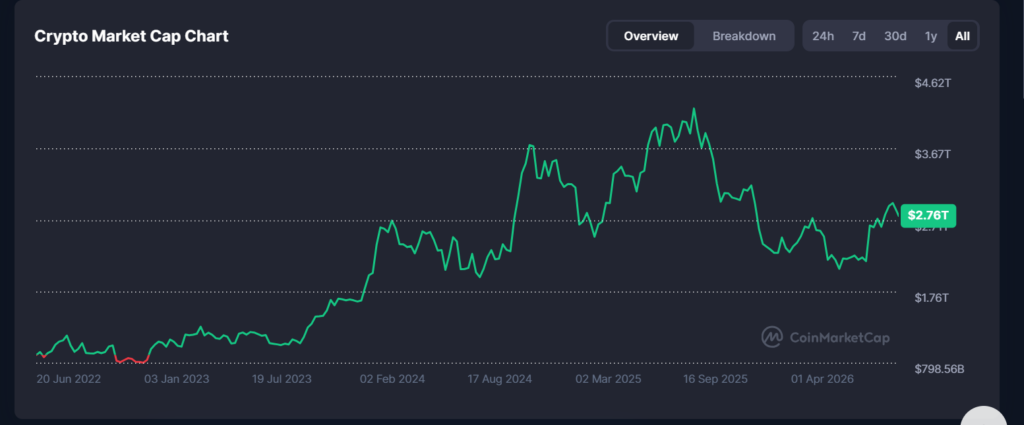
The crypto market fell sharply on Oct. 15 after stronger-than-expected U.S. inflation data renewed concerns about Federal Reserve interest rate increases. Bitcoin dropped toward $81,000, while Ethereum and several major altcoins recorded steeper losses, dragging total market capitalization down nearly 5% to approximately $2.76 trillion.
Data from CoinGlass showed roughly $942.1 million in leveraged positions liquidated over 24 hours, with bullish bets accounting for 91.6% of the total. Meanwhile, U.S. spot Bitcoin and Ethereum ETFs recorded combined net withdrawals of nearly $391 million. The sell-off coincided with steep declines across Asian technology stocks, with South Korea's KOSPI plunging 7.57% and Japan's Nikkei 225 losing approximately 4.9%.
US Inflation Data Raises Interest Rate Concerns
The latest decline followed Wednesday's U.S. Consumer Price Index report. According to the Bureau of Labor Statistics, annual inflation reached 3.7% in September, up from 3.4% in August, while consumer prices rose 0.6% during the month. Core inflation, which excludes food and energy, increased 2.6% from a year earlier.
Energy costs drove much of the increase. Gasoline prices climbed 9.1% in September, and the broader energy index rose 5.2%. The reading remained above the central bank's 2% target and raised fresh questions about the Federal Reserve's next interest rate decision. Higher borrowing costs can reduce demand for speculative assets, including cryptocurrencies. The CPI is among the most closely watched U.S. economic releases, and each print feeds directly into expectations for the Federal Reserve's rate path; attention now turns to upcoming Fed commentary and subsequent inflation and labor market data for further signals on where policy is headed.
Crypto Liquidations Approach $1 Billion
The initial price decline triggered forced closures across leveraged derivatives markets. Early Thursday, CoinGlass recorded approximately $942 million in crypto liquidations over 24 hours. Long positions accounted for about $86 million, or nearly 92% of the total.
Borrowing allows traders to control larger positions with smaller deposits, but falling prices can quickly exhaust the collateral that supports those trades. Exchanges close leveraged trades when falling collateral no longer supports the positions, and those closures can generate additional sell orders, placing further pressure on prices.
Ethereum led the liquidation figures with approximately $283 million in closed positions, followed by Bitcoin with roughly $196 million. Outstanding Ethereum futures positions totaled approximately $30 billion during the period, compared with $52 billion for Bitcoin.
Bitcoin and Altcoins Fall Alongside Global Stocks
Bitcoin traded near $82,000 on Thursday after reaching approximately $84,025 in the previous session. Ethereum fell toward $2,350, while XRP traded near $1.34 and Solana dropped toward $105. Zcash and several other altcoins posted double-digit percentage losses as selling spread beyond the largest tokens.
Equity markets also faced heavy selling. South Korea's KOSPI index closed 7.57% lower as major chipmakers declined, with Samsung Electronics and SK Hynix losing approximately 9.5% and 11.1%, respectively. Japan's Nikkei fell about 5%. Technology shares weakened across other markets as investors reassessed inflation and interest rate expectations, and South Korean authorities convened an emergency meeting to review market conditions. The simultaneous selling across crypto and technology shares reflected how both asset classes, being sensitive to borrowing costs and liquidity conditions, have increasingly moved together during periods of shifting rate expectations.
ETF flows added to the pressure. U.S. spot Bitcoin exchange-traded funds, which began trading in January 2024 and hold Bitcoin directly, recorded $261.46 million in net outflows on October 14, while spot Ethereum funds, which launched in July 2024, posted another $129.51 million in net withdrawals during the same session, bringing the combined total for the two groups to about $391 million. Net flows through these products are widely tracked as an indicator of investor demand for direct crypto exposure.
With inflation still running above the Federal Reserve's 2% objective, the next policy decision and upcoming U.S. economic data releases will shape expectations for borrowing costs and, in turn, the liquidity environment in which digital assets trade.
This article is for informational purposes only and does not constitute financial or investment advice.

