Bitcoin Slides to $78.4K as Fed's Warsh Downplays Softer Inflation Data
Key Takeaways
- •Bitcoin dropped to $78,400 after Fed official Kevin Warsh downplayed recent softer inflation prints in August 28 remarks.
- •Traders scaled back rate-cut expectations and trimmed crypto exposure in response to the hawkish signal.
- •The decline reflected macro-driven repricing rather than any crypto-native event such as an exploit or protocol failure.
- •Bitcoin has repeatedly traded in sympathy with rate-sensitive assets like tech equities during hawkish Fed cycles since 2022.
- •Near-term direction is expected to depend on upcoming inflation releases and further Fed communication, including FOMC outcomes.
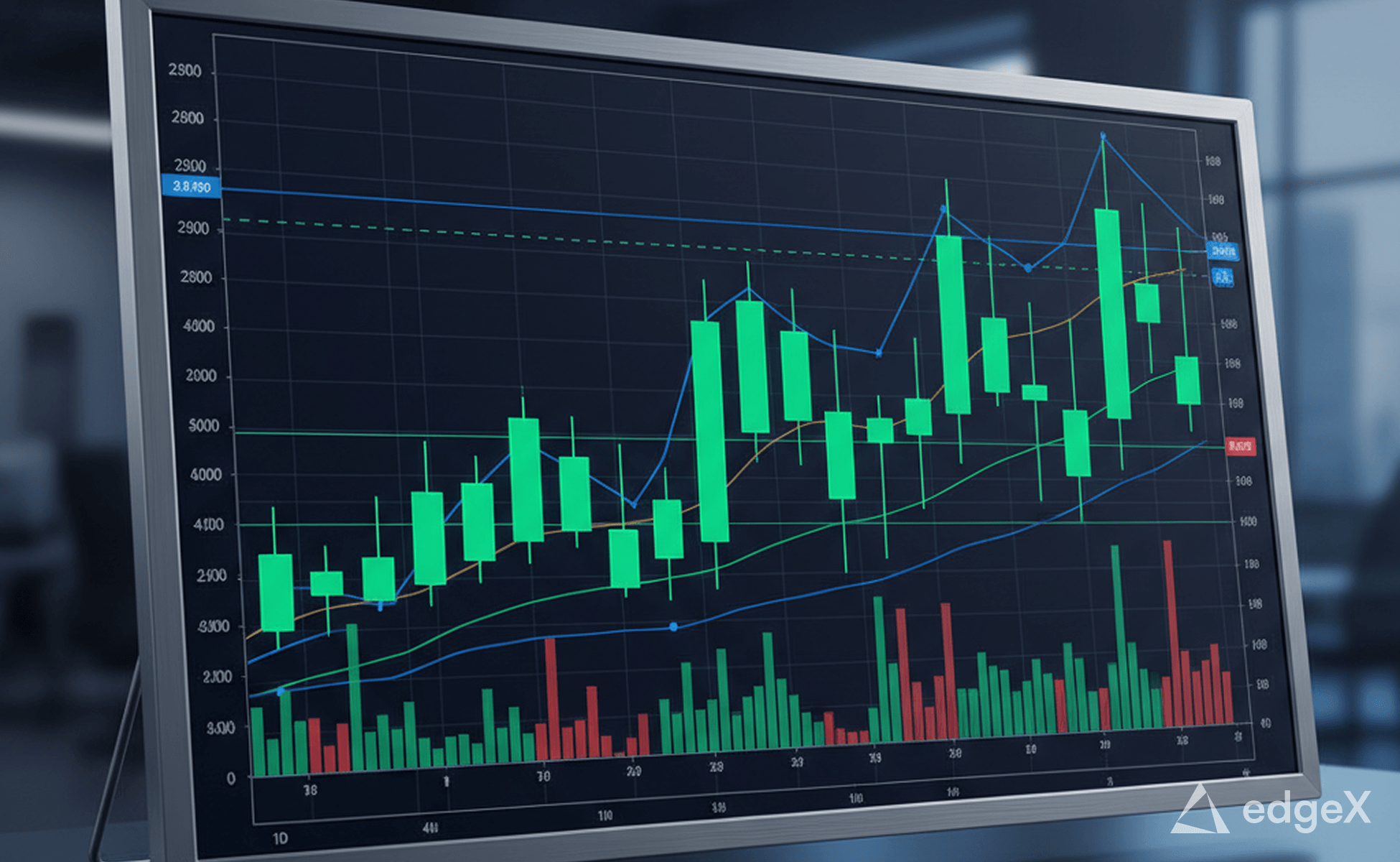
Bitcoin dipped to $78.4K after Federal Reserve official Kevin Warsh downplayed a run of softer inflation prints, prompting rate-sensitive traders to pare back bets on looser monetary conditions and trim exposure to crypto risk.
Bitcoin falls to $78.4K as traders reprice the Fed signal
Bitcoin's slide to $78.4K reads as a repricing of policy expectations rather than a shift in crypto fundamentals, with the move tied directly to Warsh downplaying the recent softer inflation readings in his August 28 remarks. For related coverage, see ETH ETFs Pull In $713M This Week, Closing Gap With Bitcoin's $884M.
The reaction underscores how Bitcoin continues to trade as a macro-sensitive risk asset in rate-driven sessions. Softer inflation would ordinarily support risk-on positioning, but Warsh's dismissal of those prints removed the dovish read-through that would have justified a bid. That dynamic mirrors how crypto has repeatedly traded in sympathy with rate-sensitive assets like tech equities during hawkish Fed cycles since 2022, a pattern that has made Fed communications a recurring swing factor for digital assets. For related coverage, see Bitcoin Tests $80,000 Supply Wall Near ETF Holders' Average Price.
That macro sensitivity has shaped recent price action, with Bitcoin having traded below $79,000 as Fed hike bets pressured the broader market. The latest dip extends that pattern of policy-driven weakness. For related coverage, see US-Government Alameda Bitcoin Move Sparks Sell-Off Fears, but the Signal Is Murkier.
Why Warsh's inflation comments pressured risk assets
The transmission runs from inflation to rates to liquidity: when a policymaker discounts cooling inflation, markets scale back expectations for near-term cuts, lifting the assumed path of yields and tightening financial conditions. Rate expectations are typically tracked through instruments such as fed funds futures, which reprice in real time around Fed speakers' comments — a channel crypto traders increasingly monitor alongside traditional rates desks.
Rate-cut expectations recalibrate
Warsh's framing matters because it signals reluctance to treat softer prints as sufficient grounds for easing. Traders who had positioned for a friendlier rate path faced a hawkish surprise, which compresses risk appetite across duration-sensitive assets, crypto included.
Markets have been closely attuned to Warsh's messaging, with crypto desks bracing ahead of his Jackson Hole appearance. His latest comments reinforced that his tone remains a live input for positioning.
Why Bitcoin reacts to macro messaging
Bitcoin's correlation to liquidity conditions means that hawkish rhetoric weighs on it much as it does on other high-beta assets. With no protocol upgrade, exploit, or on-chain event driving this session, the price signal is effectively a proxy for shifting rate assumptions. This stands in contrast to crypto-native drawdowns triggered by exchange failures or protocol exploits, where damage tends to originate inside the ecosystem rather than from macro signals.
What the $78.4K dip means for the near-term crypto outlook
The move looks like an immediate reaction rather than a structural break, which keeps the focus on short-term positioning and the next macro catalysts. Any renewed dovish read on inflation, or a softening of Fed rhetoric, would be the more direct path to a recovery in risk appetite.
Traders will watch upcoming inflation releases and further Fed commentary, including scheduled FOMC meeting outcomes and the accompanying rate decisions and statements, given that this session's weakness was rooted in policy interpretation. The broader macro backdrop remains the dominant variable for near-term direction.
This is a news reaction piece, not investment advice. With the drop grounded in messaging rather than a confirmed on-chain or structural driver, the outlook stays conditional on how the inflation-versus-Fed narrative resolves over the coming sessions.
