Bitcoin Demand Strengthens as ETFs Add $865M and New Wallets Hit One-Year High
Key Takeaways
- •U.S. spot Bitcoin ETFs attracted approximately $865.3 million in net inflows across five consecutive trading sessions from August 3 through August 7, reversing a negative flow trend that had persisted since May.
- •CryptoQuant data showed approximately 11,792 BTC, valued near $754 million, moving into identified institutional provider wallets, marking the second-largest weekly increase recorded during 2026.
- •Santiment reported 2.27 million newly created Bitcoin wallets in the past week, the highest weekly total in a year, with roughly 751,000 active wallets representing the strongest network activity in approximately ten months.
- •Galaxy Research estimated that attackers drained approximately $130 million from vulnerable Coldcard hardware wallets by exploiting a seed-generation weakness tied to firmware integration dating back to 2021.
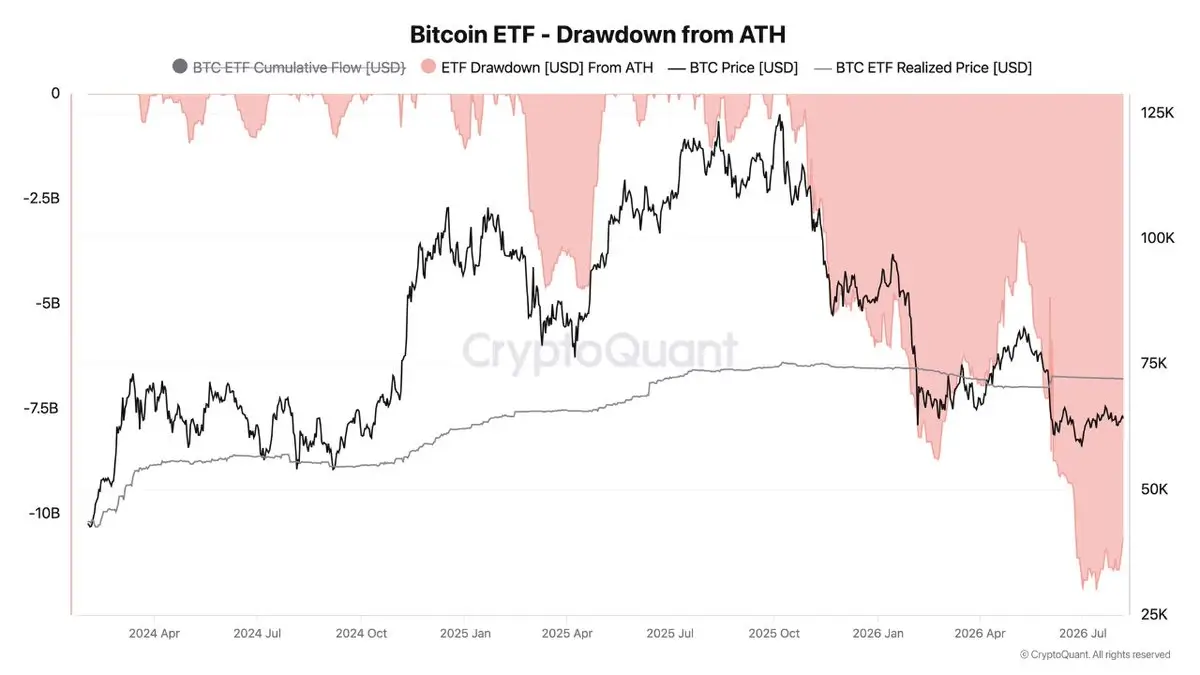
- •Institutional Bitcoin holders remain underwater on average, with an estimated aggregate realized price near $72,000 per coin compared to a market price around $64,700, resulting in cumulative position drawdowns of approximately $10.5 billion.
Bitcoin demand strengthened across both institutional and on-chain metrics this week, as U.S. spot funds attracted fresh capital while wallet creation reached a one-year high. Farside Investors recorded approximately $865.3 million in net inflows across five trading sessions from August 3 through August 7.
At the same time, Santiment Intelligence reported 2.27 million newly created wallets during the past week, the highest total recorded in a year. The increase reflected both renewed market activity and defensive transfers linked to the recent Coldcard security crisis.
U.S. Bitcoin ETFs Add $865M as Institutional Demand Rebounds
Farside data showed daily inflows of $170.1 million on August 3 and $211.5 million on August 4. The pace strengthened further on August 5, when U.S. spot products attracted another $244.4 million. Inflows then reached $137.6 million on August 6 and $101.7 million on August 7. Combined, those sessions delivered approximately $865.3 million in net capital to U.S. spot products. The streak of uninterrupted daily inflows — never dipping below $100 million in a single session — contrasts with the predominantly negative flow trend that has persisted since May.
Separate CryptoQuant data also pointed toward stronger institutional accumulation. Analyst Crypto Patel highlighted approximately 11,792 BTC moving into identified provider wallets during the week, valued near $754 million — the second-largest weekly increase recorded during 2026.
https://x.com/CryptoPatel/status/2086157745967731156
CryptoQuant contributor Darkfost described the rebound as significant after predominantly negative flows since May. Despite the renewed buying, however, the institutional cohort remains underwater on average. Darkfost estimated an aggregate realized price near $72,000 per coin. With the asset trading around $64,700, those holdings sit roughly 10% below their estimated average cost basis.
CryptoQuant also calculated cumulative position drawdowns at approximately $10.5 billion, down from a record of nearly $11.8 billion in early July. Even so, the latest weekly data shows that capital has returned despite existing positions remaining under pressure. The combination of ETF inflows and direct provider-wallet accumulation suggests demand is operating across multiple channels simultaneously.
Bitcoin Wallet Creation Hits One-Year High Amid Activity Surge
Alongside the recovery in institutional demand, Bitcoin recorded a sharp increase in blockchain activity. Santiment reported 2.27 million new wallets during the past week, marking the highest weekly total in one year. The analytics firm also recorded approximately 751,000 active wallets, the strongest level of network activity observed in roughly 10 months.
However, the increase cannot be attributed entirely to new adoption. Santiment linked a significant portion of the surge to fund movements following the recent Coldcard security crisis. Affected and concerned users have been transferring funds, creating new addresses, and reorganizing custody arrangements. These defensive movements increased transaction activity while expanding the number of newly observed wallets across the network.
https://x.com/SantimentData/status/2085785823543271861
Coldcard Crisis Drives Defensive Wallet Migration Across Bitcoin
The surge in wallet activity is closely tied to the scale of the Coldcard security incident. Galaxy Research estimated that attackers drained roughly $130 million from vulnerable wallets after exploiting a seed-generation weakness linked to firmware integration dating from 2021. Coldcard, produced by Coinkite, is a Bitcoin-focused hardware wallet widely used for offline private key storage, and the vulnerability window spanning multiple years means a large population of generated seeds may require rotation.
In response, Coinkite released patched firmware to address the underlying issue. However, installing the updated software does not secure seeds that were generated before the vulnerability was fixed. Therefore, affected users must transfer their funds to newly generated secure wallets. This migration requirement helps explain why both wallet creation and active-address activity increased so sharply during the period.

