Bitcoin and Ethereum ETFs Shed $505 Million as Kalshi Traders Eye $70,000 November Low for BTC
Key Takeaways
- •U.S. spot Bitcoin ETFs recorded $411.9 million in net outflows on November 6, and together with Ethereum fund withdrawals, approximately $505.2 million exited spot crypto ETFs in one session.
- •BlackRock's iShares Bitcoin Trust (IBIT) accounted for $403 million of the Bitcoin fund withdrawals, nearly the entire daily net loss, while Fidelity's FBTC drew $42.8 million in net inflows.
- •Ethereum spot ETFs lost $93.3 million the same day, with BlackRock's ETHA dominating at $90.8 million in outflows and smaller losses at Grayscale's ETHE and Fidelity's FETH.
- •Traders on the CFTC-regulated prediction market Kalshi were pricing Bitcoin's November low near $70,000, implying roughly 8% downside from its November 6 trading level of $75,920.79.
- •Market analyst More Crypto Online identified $74,804 to $63,326 as a potential zone for the current correction to end, with $75,580 as the range floor and $81,238 as the recovery level.
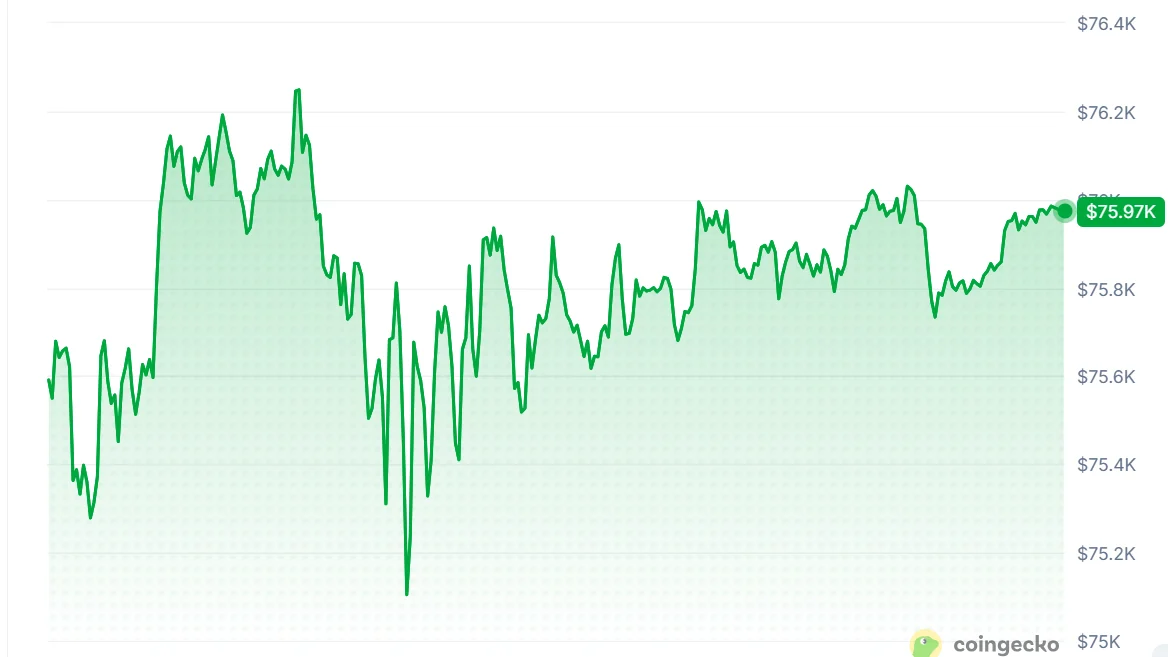
U.S. spot Bitcoin exchange-traded funds recorded $411.9 million in net outflows on November 6, extending pressure on institutional crypto investment products. Combined with Ethereum fund outflows, roughly $505.2 million left spot crypto ETFs in a single session. Data from Farside Investors, which tracks daily flows across U.S. crypto ETFs, showed that BlackRock's iShares Bitcoin Trust (IBIT) accounted for $403 million of those withdrawals, while Fidelity's FBTC bucked the trend with $42.8 million in net inflows. Ethereum spot ETFs lost $93.3 million the same day, and prediction market traders on Kalshi were pricing Bitcoin's November low near $70,000.
IBIT Drives Bitcoin ETF Outflows
Farside Investors' November 6 data showed that the day's Bitcoin ETF outflows were heavily concentrated in a single product. BlackRock's IBIT recorded $403 million in withdrawals, accounting for almost the entire daily net loss of $411.9 million. The fund has been a focal point for institutional flows since spot Bitcoin ETFs began trading in the United States in January 2024 and is the largest such product by assets.
𝗕𝗶𝘁𝗰𝗼𝗶𝗻 𝗘𝗧𝗙 𝗙𝗹𝗼𝘄 (𝗨𝗦$ 𝗺𝗶𝗹𝗹𝗶𝗼𝗻) – 2026-11-06
TOTAL NET FLOW: -411.9
IBIT: -403
FBTC: 42.8
BITB: -20.5
ARKB: -20.1
BTCO: 0
EZBC: 0
BRRR: 0
HODL: 0
BTCW: 0
MSBT: 0
GBTC: -11.1
BTC: 0
pic.twitter.com/rKeKbSnoZ5
— Farside Investors (@FarsideUK) on X, November 7, 2026
Other funds also reported negative flows. Bitwise's BITB lost $20.5 million, ARK 21Shares' ARKB recorded $20.1 million in outflows, and Grayscale's GBTC shed another $11.1 million, while BTCO, EZBC, BRRR, HODL, BTCW, MSBT and BTC each recorded zero flows for the session.
Fidelity's FBTC was the day's strongest performer, attracting $42.8 million in fresh investment, but those inflows failed to offset withdrawals from competing products. The concentration of selling in IBIT suggests that redemptions from one major fund drove much of the day's negative result. Even so, daily ETF flows alone cannot establish whether investors are abandoning Bitcoin or merely reallocating capital.
Spot Bitcoin ETFs hold actual Bitcoin to back their shares. When investors redeem shares, fund managers generally sell corresponding Bitcoin holdings to meet those requests — a process that can create additional selling pressure in the underlying market.
Ethereum ETFs Extend the Selling
Ethereum spot ETFs recorded $93.3 million in net outflows on November 6. Spot Ethereum funds began trading in July 2024, extending the ETF structure to the second-largest cryptocurrency. BlackRock's ETHA dominated withdrawals, with $90.8 million leaving the fund. Fidelity's FETH recorded another $1.7 million in outflows, and Grayscale's ETHE lost $1.9 million. BlackRock's staked ETH product ETHB attracted approximately $1.1 million, providing limited relief.
The simultaneous withdrawals from Bitcoin and Ethereum products point to broader weakness in institutional ETF demand, although a single trading session does not establish a sustained trend. Farside publishes updated flow tables after each U.S. trading session, so the figures from upcoming sessions will show whether November 6 was an isolated day of redemptions or part of a longer stretch of withdrawals.
Kalshi Traders Price a $70,000 November Low
Bitcoin's near-term price outlook remains under scrutiny. CoinGecko data placed BTC at $75,920.79, up 0.52% over 24 hours but down 1.50% across seven days.
Kalshi Crypto reported that traders on its platform — a CFTC-regulated prediction market where users trade contracts on real-world events — were pricing Bitcoin's November low near $70,000, a forecast implying approximately 8% downside from its November 6 trading level.
BREAKING: Our traders forecast Bitcoin bitcoin:native will crash to $70,000 this month
pic.twitter.com/IddJvOkGVi
— Kalshi Crypto (@Kalshi_Crypto) on X, November 6, 2026
Because contracts on the platform are actively traded, that implied forecast updates in real time rather than standing as a fixed analyst target. Market analyst More Crypto Online identified $74,804 to $63,326 as a potential zone where the current correction could end, while cautioning that entering the range would not independently confirm a market bottom. The analyst also identified $75,580 as the range floor and $81,238 as the recovery level. Until Bitcoin breaks above that resistance, the analysis leaves room for further downside.
Taken together, the ETF withdrawals and cautious price expectations reflect weakening near-term confidence in the sector. Bitcoin's ability to defend its current support levels could determine whether the selling pressure continues.

