Bitcoin ETFs Record $102.3M Daily Inflow While Ethereum ETFs See $12.3M Outflow
Key Takeaways
- •Bitcoin ETFs recorded a single-day net inflow of 1,600 BTC valued at approximately $102.33 million, with weekly inflows totaling an additional 1,241 BTC worth roughly $79.36 million.
- •Ethereum ETFs posted a single-day net outflow of 6,558 ETH worth about $12.27 million, and weekly cumulative outflows reached 16,270 ETH or approximately $30.44 million.
- •Since receiving SEC approval in January 2024, Bitcoin ETFs have become a primary channel for institutional cryptocurrency exposure, consistently attracting allocator interest.
- •The contrasting ETF flow data reveals a growing divergence between the two largest cryptocurrencies, with Bitcoin drawing capital while Ethereum products face sustained withdrawals.
- •Regulatory scrutiny from U.S. authorities continues to shape institutional decision-making, and ETF flow figures are now closely monitored as indicators of broader market sentiment.
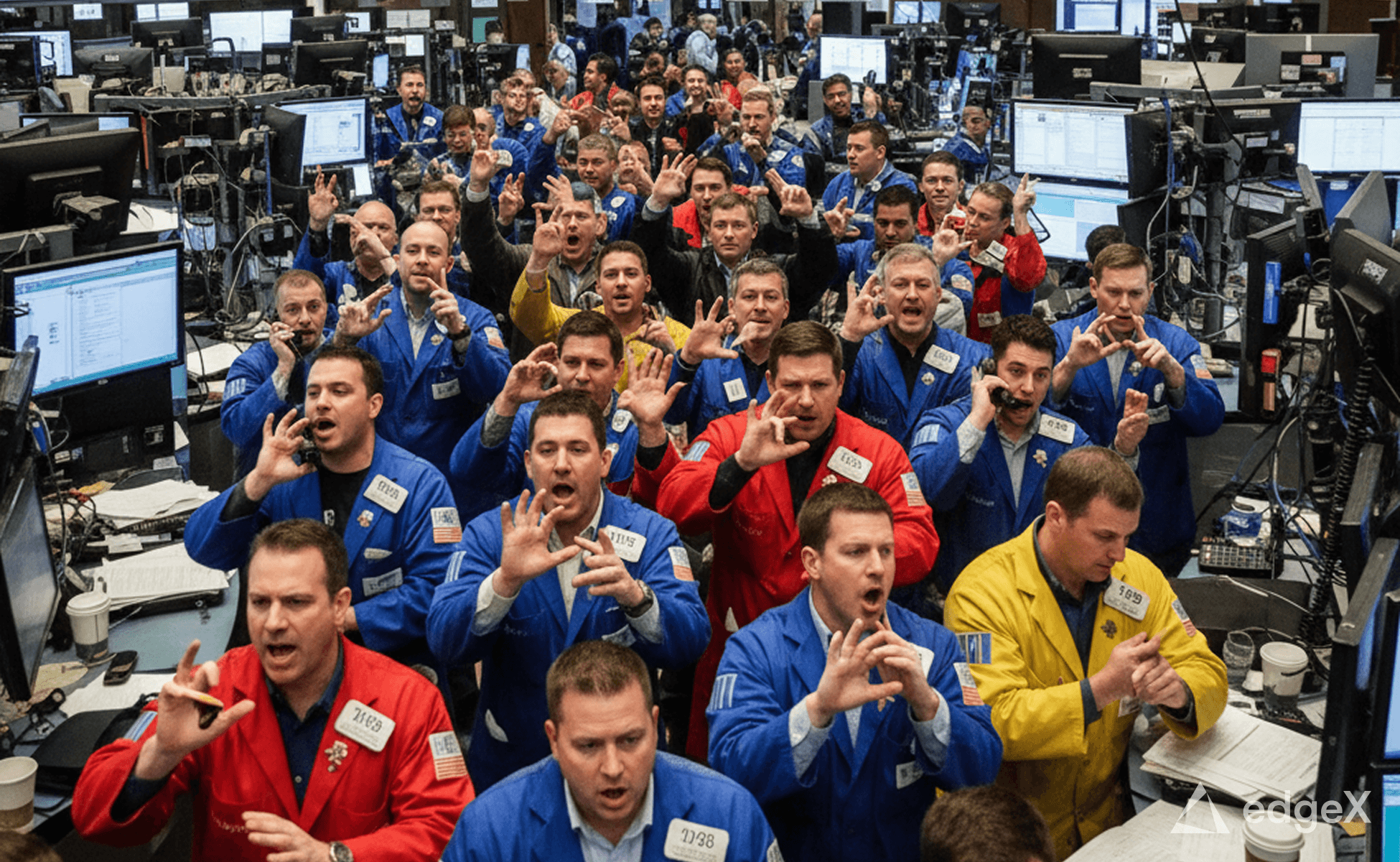
Bitcoin exchange-traded funds recorded a single-day net inflow of 1,600 BTC, valued at approximately $102.33 million, underscoring continued institutional appetite for the asset. Since U.S. regulators approved spot Bitcoin ETFs in January 2024, these products have become a primary channel for institutional exposure to the cryptocurrency. Over the trailing seven-day period, Bitcoin ETFs accumulated an additional 1,241 BTC, bringing the weekly total to roughly $79.36 million in inflows.
Ethereum ETFs, by contrast, experienced notable capital outflows. On the same day, Ethereum ETFs posted a net outflow of 6,558 ETH, worth roughly $12.27 million. The seven-day cumulative outflow reached 16,270 ETH, equating to approximately $30.44 million.
The figures were highlighted by on-chain analytics account @lookonchain, which has been tracking ETF flow data across both assets.
Divergent Flow Trends
The data points to a growing divergence between the two largest cryptocurrencies by market capitalization. Bitcoin ETFs continue to attract capital amid a mixed broader cryptocurrency market, while Ethereum products have seen sustained withdrawals over the past week.
Several factors may be contributing to this split. Bitcoin has traditionally served as the primary entry point for institutional capital in the digital asset space, and its ETF products — approved by the SEC months before Ethereum's — have consistently drawn interest from allocators seeking exposure to cryptocurrency through regulated vehicles. Ethereum, despite being the second-largest digital asset, has faced a different trajectory in ETF flows since its spot products launched in mid-2024.
The current regulatory environment remains a significant variable for both assets. Ongoing scrutiny from U.S. regulators has shaped institutional decision-making, with market participants monitoring policy developments that could affect the broader digital asset ecosystem.
Weekly Figures at a Glance
- Bitcoin ETFs — 1-day net inflow: 1,600 BTC ($102.33 million)
- Bitcoin ETFs — 7-day net inflow: 1,241 BTC ($79.36 million)
- Ethereum ETFs — 1-day net outflow: 6,558 ETH ($12.27 million)
- Ethereum ETFs — 7-day net outflow: 16,270 ETH ($30.44 million)
Market Context
Bitcoin's role as the dominant cryptocurrency by market capitalization means its price movements frequently influence the broader market, including Ethereum and other altcoins. The persistent inflow into Bitcoin ETFs suggests that institutional investors maintain their focus on the asset even as macroeconomic conditions — including interest rate policy and U.S. dollar strength — continue to evolve. ETF flow data has become a closely watched barometer of institutional sentiment, with daily and weekly figures scrutinized for signals about broader market positioning.
Ethereum's outflows, meanwhile, reflect a more cautious stance from ETF investors regarding the second-largest cryptocurrency. Whether this trend continues will depend on a range of factors, including network developments, decentralized application activity, and the broader regulatory landscape.
Both assets remain closely watched by traders and institutional allocators as the cryptocurrency market navigates shifting sentiment and an evolving policy environment.

